Category: Orange Zone

  • Fasting’s effect on diamine oxidase (DAO) & histamine intolerance

    Fasting’s effect on diamine oxidase (DAO) & histamine intolerance

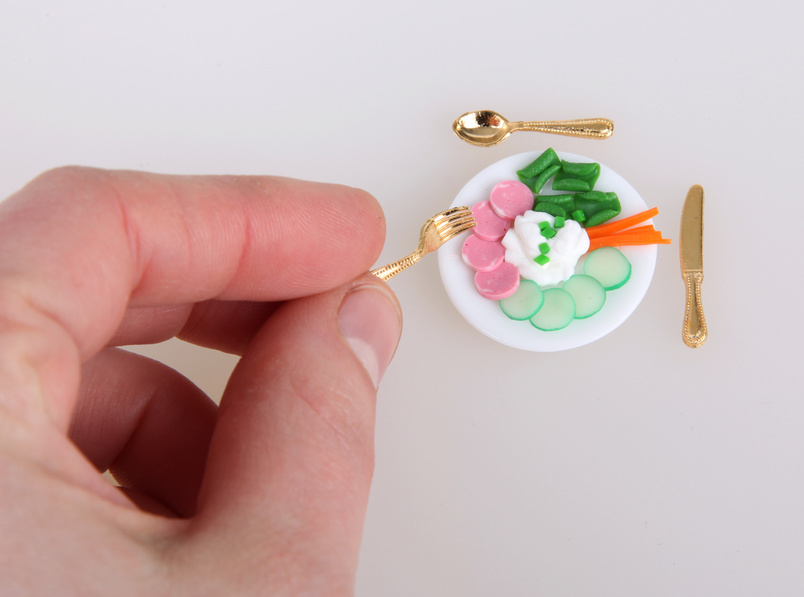
    man's fingers holding tiny fork and eating from a tiny plate

    Two important questions regarding fasting for those with histamine intolerance are: does not eating affect the function of the histamine degrading diamine oxidase (DAO) enzyme, and is the stress of not eating so extreme as to negate the benefits of it? 

    All references at the bottom of post.

    Why a post on fasting? I’ve long used fasting as a tool for dealing with histamine related inflammation. A history of eating every few hours, even getting up from bed in the middle of the night to do so, had left my body in a constant state of excitability and chronic histamine release.

    The reasons for this is very simple: histamine is involved in the digestive process and eating triggers generalised inflammation, regardless of  whether you have histamine intolerance or mast cell activation.

    University of Southern California Longevity Institute director Dr. Valter Longo has created a fasting mimicking diet that has the benefits of water fasting while allowing about 800 calories a day. My interview with him revealed that up to 40 percent of the immune system can be regenerated in just five days. Longo told me that would include “faulty” mast cells that are leaking histamine indiscriminately. Read the post here.

    I’ve long experimented with and written about fasting for my histamine intolerance and mast cell activation because I discovered early on, even before I was diagnosed, that very short bursts of it made me feel better.

    PLEASE NOTE – there is a difference between fasting for health once in a while and anorexia. Don’t even think of trying it if you have ever had repeatedly negative thoughts of food, negative body image or any kind of eating disorder, no matter how long ago it was. Either way, a doctor needs to be involved. 

    But there’s still an unbelievable lack of research on fasting’s effect on the histamine degrading diamine oxidase (DAO) enzyme. Residing in the gut, where histamine is released every time we eat (or even think of food), DAO’s job is to break down histamine once it’s not needed anymore, or presumably when there’s just too much of it for us to handle. DAO relies on a number of nutrients to function normally – things like magnesium (a lack of this can cause major histamine release), copper, vitamin B6 and others. It’s at its peak during pregnancy where it helps prevent uterine contractions that could end in miscarriage (read more here).

    Histamine intolerance is considered to be an excess of histamine caused by or coupled with a lack of DAO. Genetic testing can reveal if we’ve inherited genes that predispose us to low DAO production, but a lack of it may simply be triggered in women as we age and hormones decline because we no longer need DAO’s help in preventing miscarriage.

    A study published in the journal Digestion found that levels of the histamine degrading DAO enzyme in starved rats did not decrease during fasting. (I can’t find any human studies).

    That’s a start.

    But what about the very valid concern regarding fasting increasing histamine levels?

    Well, that could depend on a number of factors.

    We know for sure that stress causes histamine release from mast cells. These white blood cells contain not only histamine but also a number of other inflammatory agents that you really don’t want to have dumped into the blood stream unless needed to fight infection or heal you from injury.

    It’s also known that fasting in animals has been shown to cause stress, which in turn causes histamine release.

    In my case, water fasting has been hugely stressful in the past. The fear I’m doing something stupid, the fact that it was done in a haphazard fashion when my histamine rose to intolerable levels, and basically being too weak to move or do anything other than lie around obsessively tracking every minute (or scary) symptom.

    Juice fasting/feasting was more successful because it took the stress away, but I still had the energy problem (and I was using too many fruits).

    My approach and mindset (ie my stress level) going in to the fast dictated how successful it would be. In other words, we’re not the animals in the studies. We choose to fast rather than being starved, we are not held in restraints or have scientists devising ways of freaking us out.
    That’s all good and well, but yes, we can be just as stressed as the animals, because let’s face it, dealing with these health issues can create a lot of anxiety.

    I came to realise a few things could made for a successful fast:

    (Please note, these are my observations and should not be a substitute for medical advice.)

    • – Liquids put less stress on the body and (according to Dr. Fuhrman) were less demanding of my stomach enzymes
    • – I stopped fasting when I was at my sickest. Planning fasts and being mentally prepared for them was essential
    • – Meditation is an essential component
    • – Reading materials or motivational documentaries and films should be planned in advance
    • – Getting in touch with nature is really helpful for lowering stress levels
    • – I didn’t need to starve myself. A cut of about 20-30 percent of my usual calories sufficed
    • – Focusing on nutrient dense foods with antihistamine and anti-inflammatory soups and low fruit juices regardless of calories was extremely healing to me
    • You’ll find most of the recipes I used in the Anti-Detox.

    My (non-medical but totally been there myself) advice is, if you’re experiencing a moderate to significant amount of stress, then fasting probably isn’t a great idea.

    There are exceptions of course, but really, there’s a good chance that getting the stress under control might reverse much/most of the histamine symptoms anyway and you might not need to fast!

    If you don’t have the patience or time for it, check out how to create your own personalised healing plan here.

    —-REFERENCES—-

    Irie, Masahiro, Shoji Nagata, and Yutaka Endo. “Effect of isolation on classical conditioned histamine release in guinea pigs.” Neuroscience Research 44.1 (2002): 31-35. Web.

    Irie, Masahiro, Shoji Nagata, and Yutaka Endo. “Fasting stress exacerbates classical conditioned histamine release in guinea pigs.” Life Sciences 72.6 (2002): 689-98. Web.

    Erdman, Steven H. “Effects of Starvation and Difluoromethylornithine (DFMO) on Diamine Oxidase Activity in Rat Ileum.” Digestion 46.2 (2009): 396-402. Web.

    “Digestion itself is a histamine trigger | Healing Histamine.” Healing Histamine | Histamine Intolerance Diet Foods Recipes. N.p., 04 Apr. 2014. Web. 13 June 2017.

  • Triphala: Ayurvedic Antihistamine for Histamine Intolerance?

    Triphala: Ayurvedic Antihistamine for Histamine Intolerance?

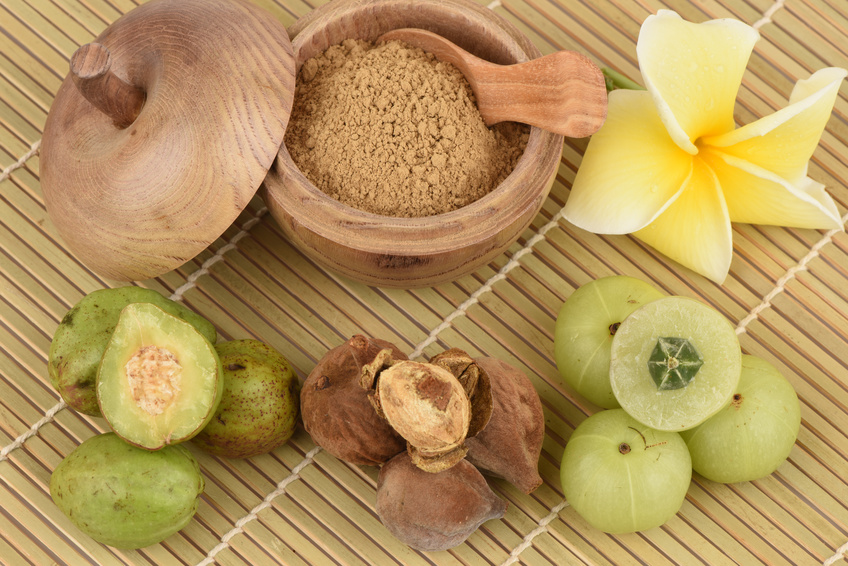
    triphala ingredients on a bamboo background

    For over two thousand years the Ayurvedic remedy Triphala has played a key role in the practice of Indian traditional medicine. There’s been considerable research validating a number of these remedies recently, including the news that Triphala, a combination of three medicinal fruits, is a powerful natural antihistamine that also stabilises mast cells and acts as an anti-inflammatory. Triphala may be useful for histamine intolerance. All references are at the bottom of the post.

    Triphala is a blend Indian fruits:

    Phyllanthus emblica (amla)

    This compound has also shown promise in preventing carrageenan induced inflammation, stabilising mast cells (thereby preventing the release of histamine and other inflammatory agents), and stopping histamine and mast cell induced asthma attacks (read more about histamine, mast cells and asthma here).

    Carrageenan is a food additive derived from natural sources, which is why you’ll even find it in the healthiest organic foods and products. Unfortunately it’s used in medical studies to cause inflammation.

    Terminalia chebula

    Animal studies have shown an extract of this fruit can prevent anaphylaxis and lower blood histamine levels.

    Terminalia bellirica

    Compounds from this fruit have shown anti-inflammatory and antioxidant activity in animal studies (more on how antioxidants in foods fight histamine inflammation here)

    But there’s more.

    Combine the three and you have a a supplement that (at least in animal studies) has been shown to prevent the growth of certain cancer tumours, protect our cells from radiation, is super high in antioxidants, and can help with symptoms of arthritis. Triphala also (obviously) possesses antihistamine properties and fights inflammation resulting from the release of prostaglandins from mast cells.

    I keep talking about how histamine is just one type of inflammatory agent we need to be paying attention to. That’s why I feel that a low histamine diet at the expense of an overall inflammatory diet high in nutrients and antioxidants isn’t the best approach (more here).

    Like all supplements, there’s risks (which is why I try to get all I need from food..

    So please always check with your doctor before adding anything new to the diet. According to the Sloane Kettering website, Triphala’s main side effects are gastrointestinal in nature, but few and far between. Triphala also inhibits the CYP3A4 and CYP2D6 enzymes.

    ——REFERENCES—–

    Bährle-Rapp, Marina. “Phyllanthus Emblica Extract.” Springer Lexikon Kosmetik und Körperpflege (2007): 426. Web.

    Shin, T.y, H.j Jeong, D.k Kim, S.h Kim, J.k Lee, D.k Kim, B.s Chae, J.h Kim, H.w Kang, C.m Lee, K.c Lee, S.t Park, E.j Lee, J.p Lim, H.m Kim, and Y.m Lee. “Inhibitory action of water soluble fraction of Terminalia chebula on systemic and local anaphylaxis.” Journal of Ethnopharmacology 74.2 (2001): 133-40. Web.

    Sireeratawong, S., K. Jaijoy, and N. Soonthornchareonnon. “Evaluation of anti-inflammatory and antinociceptive activity of Triphala recipe.” African Journal of Traditional, Complementary and Alternative Medicines 10.2 (2013): n. pag. Web.

    “Triphala.” Memorial Sloan Kettering. N.p., n.d. Web. 02 June 2017.

  • Histamine and smell

    Histamine and smell

    yellow laundry machines in laundrette

    A small study has just revealed that scented laundry washes contain carcinogens that may raise cancer risk if inhaled. This is unlikely to be a problem for people with histamine and mast cell disorders given that our heightened sense of smell and reactions to scents, prevent most of us from using them. The question is why do they bother us so?

    The study, published this August in Air Quality, Atmosphere and Health, found 25 “volatile” air pollutants released during the average washing cycle. Known carcinogens included acetaldehyde and benzene. The former causes nasal and throat cancer and the latter is linked to nasal and throat cancers, all of them in animal studies.

    I personally only recently started using lightly scented laundry detergent in the last year or so (maybe a bit longer, I’m pretty crap at dates), but I’ve certainly been exposed to my fair share while staying with friends and in hotels.

    While in recent years I’ve no longer experienced the old histamine/mast cell reactions to these smells (fainting, extreme anxiety, coughing, runny nose and watering eyes), I do remember how awful they used to be.

    Click here to create your own histamine balanced diet and healing plan.

    Thing is, while I’m glad I’ve desensitised myself to a certain degree, enough to be able to live a normal life while traveling, I’ve long believed these products to be carcinogenic and generally toxic and have avoided their use.

    My recent use of scented products stems from someone I was living with. Compromise is often necessary for a peaceful co-existence, and is responsible for many changes I made in the last two years that I’m not crazy about (but take full responsibility for) like adding a lot more animal protein and a ton of sugar to my diet. I’m now back on the straight and narrow!

    So what gives? Why do mast cell people react so much to scents?

    Part of the explanation according to mast cell expert Dr. Lawrence Afrin, is that we simply have a heightened sense of smell when mast cell (and therefore histamine) attacks come on.

    I’ve definitely experienced the acute sense of smell. It’s always been part and parcel of the general adrenalin response to histamine attacks in my body. I’d never linked them, but the tunnel vision, hound dog nose, and spring in my step (as if I were ready to flee at the slightest provocation) were all definitely adrenalin based for me. This was revealed to me, by of all things, a TV show where a cop talks about what happens to them when close to a suspect.

    I immediately scanned my memory for my reactions while covering conflicts in Iraq and Lebanon, yup, that was it. They’re all bodily reactions that help us stay alive in times of stress.

    So why was my body freaking out to food, scents and other such nonsense when there was no risk to me at all? Well, based on some of my exposures to food, and projectile vomiting as a result, I’m pretty convinced my immune system came to associate (at first) some foods, then most foods, as my symptoms became more acute, with danger. Sometimes the smell of food was enough to trigger that response. There’s a fascinating book called “Cure” by Jo Marchant which covers why open placebos, where someone knows they’re not getting real medicine) work. Seems that the immune system can be trained to trigger the same response to meds, in the absence of them. I believe that the reverse is also true, that the immune system can be conditioned to respond negatively to foods and scents.

    Read my post on the fear link and how mast cell markers can be raised through Pavlovian conditioning.

    Proponents of this view are Annie Hopper, who healed herself of Multiple Chemical Sensitivity, and Dr. Gupta, of the Gupta Program.

    It’s finally here! Man Food – a high nutrient antihistamine and anti-inflammatory ingredient filled book geared towards guys, women who love to work out, yoga like they mean it, or just load up on healing nutrients. Features my personal shopping list of antihistamine and anti-inflammatory foods.

    The Anti-cookbook and all liquid Anti-Detox Book, don’t treat any conditions, but feature a plethora of the high nutrient antihistamine and anti-inflammatory ingredients that have been instrumental in helping me feed myself on a limited diet. The Anti-cookbook features a four page list of antihistamine and anti-inflammatory foods and comes in regular and Paleo.

    The Low Oxalate Cookbook features antihistamine and anti-inflammatory rich recipes.

    Don’t miss the Low Histamine Beauty Survival Guide for non-toxic beauty tips, the skinny on histamine releasing (mast cell degranulating) beauty ingredients, antihistamine and anti-inflammatory beauty alternatives and the top brands natural brands I’ve found.

    Take a peek at my other low histamine and antihistamine cookbooks for more high nutrient recipes

    —-REFERENCES—-

    Afrin, Lawrence B. Presentation, diagnosis and management of mast cell activation syndrome.  2013.  Mast cells.

    Jaslow, Ryan. “Scented laundry products release carcinogens, study finds.” CBS News. CBS Interactive, 26 Aug. 2011. Web. 24 Mar. 2017.

  • Estrogen & Histamine

    Estrogen & Histamine

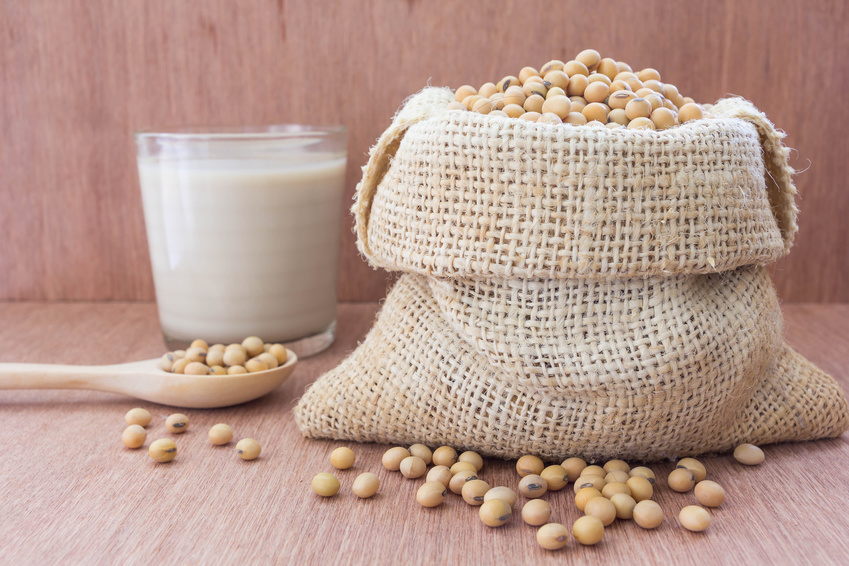
    Soybean in hemp sack bag with soymilk in glass setup on wooden table.

    Have you noticed that your annoying histamine intolerance and mast cell symptoms, particularly fogginess, bloating, headaches and tenderness, get worse just before your period? Yup, it’s your hormones, and the interaction between histamine and estrogen in particular.  And now researchers tell us that estrogen is the reason that women have longer anaphylactic episodes than men. 

    Estrogen surges generally occur…

    When ovulating

    • Right before menstruation
    • From exposure to too many xenoestrogens
    • From birth control pills
    • During menopause
    • When stressed

    It works like this: estrogen stimulates mast cells to make histamine, while also reducing the DAO enzyme. Histamine then stimulates the production of even more estrogen. This occurs by aiding the release of luteinising hormones which are needed for ovulation. The luteinising hormone causes a gradual increase in estrogen.

    And bam!

    The histamine increase is back.

    If you’ve read my post that mentions histamine-induced ovulation some of this may already make sense to you. (Spoiler alert: histamine-induced ovulation is bad).

    Like the mythical Ouroboros dragon eating its tail, the cycle of estrogen increasing histamine levels and histamine increasing estrogen levels, continues ad infinitum.

    Which is why histamine symptoms are usually worse at ovulation and just before periods…a time when estrogen is already high.

    Sensitivity increases when supplementing with estrogen, for example during hormone replacement therapy. In turn, women experience more allergies and histamine-related problems after hitting their teens, a time when they start producing more estrogen, but less progesterone. The same is true during menopause when estrogen is on the rise.

    Estrogen dominance during menopause occurs because progesterone is lower than estrogen. As we age women don’t make more estrogen, we make less, but progesterone goes down much faster than estrogen does, which leads to estrogen dominance. 

    There’s also a link between histamine and asthma, thanks to mast cells. According to at least one study, postmenopausal women on hormone replacement therapy had an increased risk of new-onset asthma (meaning for the first time).  Estrogen and progesterone have both been shown to cause mast cell maturation and degranulation (the process by which histamine and other inflammatory mediators are released into the bloodstream).

    And of course there’s the study by researchers at the National Institute of Allergy and Infectious Diseases findings that women have it worse than men when it comes to anaphylaxis, and estrogen is the culprit. We have longer lasting attacks thanks to our hormones…but reducing the level of estrogen leveled the playing field between the sexes.

    Xenoestrogens make everything worse.

    Each year we’re exposed to increasingly high amounts of xenoestrogens, or estrogens that are found in pollutants from water, food, and beauty products. So it’s not surprising to see that over the past 30 years allergen-related diseases are continuing to increase dramatically, in addition to affecting women disproportionately.

    Part of the solution in dealing with the estrogen-influenced increase of histamine is to remove excess estrogens in the body. This may also help women who are estrogen dominant dampen their PMS symptoms.

    I added cruciferous vegetables like Brussels sprouts and broccoli to my diet to help to remove these estrogens. I go over the benefits of these foods, in addition to other foods that heal in the 28 day histamine reset.

    Lowering stress is also important, as we’ve seen relatively acute stressful events immediately enhance serum estradiol (a form of estrogen), in the female rat. When dealing with stress, reach for your yoga mat, or try to meditate to prevent any further increase of estrogen.

    In terms of supplementing, B6, an essential cofactor of the histamine lowering DAO enzyme, helps with estrogen metabolism. The physiologically active form of vitamin B6, pyridoxal 5’-phosphate (PLP), acts as a hormone mediator, and reduces estrogen while increasing progesterone. Increasing progesterone may inhibit mast cell secretion.

    Yet again, here’s another reason for using natural beauty products…You may want to start removing non-natural products from your daily routine, before gradually adding more natural alternatives.

    And if you’re taking birth control, think about looking into alternatives such as tracking your menstrual cycle with Persona and Daysy machines, both of which I’ve used successfully over the last twelve years. Of course, talk to your gynecologist before making any transitions.

    -REFERENCES-

    Bonds, Rana S., and Terumi Midoro-Horiuti. “Estrogen effects in allergy and asthma.” Current Opinion in Allergy and Clinical Immunology 13.1 (2013): 92-99. Web.

    Natori, Yasuo, Tatsuzo Oka, and Masashi Kuwahata. “Modulation of Gene Expression by Vitamin B6.” Biochemistry and Molecular Biology of Vitamin B6 and PQQ-dependent Proteins (2000): 301-06. Web.

    Shors, Tracey J., Jane Pickett, Gwendolyn Wood, and Martin Paczynski. “Acute Stress Persistently Enhances Estrogen Levels in the Female Rat.” Stress 3.2 (1999): 163-71. Web.

    Vasiadi, M., D. Kempuraj, W. Boucher, D. Kalogeromitros, and T.c. Theoharides. “Progesterone Inhibits Mast Cell Secretion.” International Journal of Immunopathology and Pharmacology 19.4 (2006): 787-94. Web.

    Zaitsu, Masafumi, Shin-Ichiro Narita, K. Chad Lambert, James J. Grady, D. Mark Estes, Edward M. Curran, Edward G. Brooks, Cheryl S. Watson, Randall M. Goldblum, and Terumi Midoro-Horiuti. “Estradiol activates mast cells via a non-genomic estrogen receptor-α and calcium influx.” Molecular Immunology 44.8 (2007): 1977-985. Web.

    Zierau, Oliver, et al. “Role of female sex hormones, estradiol and progesterone, in mast cell behavior.” Frontiers in Immunology, vol. 3, 2012, doi:10.3389/fimmu.2012.00169.

    Hox, Valerie, et al. “Estrogen increases the severity of anaphylaxis in female mice through enhanced endothelial nitric oxide synthase expression and nitric oxide production.” Journal of Allergy and Clinical Immunology, vol. 135, no. 3, 2015, doi:10.1016/j.jaci.2014.11.003.

  • Histamine Migraine Fixes

    Histamine Migraine Fixes

    sick puppy - french bulldog with hot water bottle on head isolated on white background

    Histamine can cause the recurrence of a headache that’s been treated with meds (like NSAIDs or migraine meds for example), make a pre-existing headache worse, and trigger an immediate or delayed headache. Yet studies on antihistamines as treatments have largely failed, with a few exceptions. I can tell you from personal experience that histamine is a definite trigger, one that I did manage in the past with antihistamine medication initially, but now through diet and supplements. If the latter two didn’t work for me, you’d better believe I’d take an antihistamine to keep them at bay!

    Histamine has been conclusively linked to migraines for some time. In Spain, to prevent them, migraineures are frequently given a diamine oxidase (DAO) supplement to help break down histamine.

    The central histaminergic system plays an essential role in our sleep and wakefulness cycle. Histamine promotes excitability in the brain to wake us and help us focus our attention. Interestingly, though studies show that histamine levels drop later in the day, I have always had my worst symptoms in the evening, with the migraine developing as of about 2pm. Though I have woken with migraines in the morning, in particular the six month hell I endured in my teens where I had a migraine daily, it’s more common for me to feel increasingly agitated as the day progresses, culminating in a 2am-5am state of hyper-excitability and headache. The worst of the symptoms would then pass and as long as I got enough sleep, I’d wake up with the majority of my symptoms better.

    Researchers believe that while so far antihistamines (ones that block activity of the H1 and H2 receptors) have not been found to be effective in preventing and treating migraines, a few of them have shown some promise. Cinnarizine and cyproheptadine, for example, have been found to prevent migraine, but interestingly, their success in doing so is attributed to properties other than their antihistamine activity. Seems that their side effect profile (I’ve never heard of either being used at all) is significant, so that was considered a research bust, till scientists began looking at the H3 and H4 receptors.

    Yet another stream of related research is focusing on mast cells, which contain histamine and other inflammatory mediators. When activated, by stress, allergies, foods, chemicals and medications, mast cells release histamine and all the rest. Mast cells in particular are thought to activate the pain pathway in migraine headache.

    So, what can we do if suffering from migraines?

    Click here to learn how to create your own histamine balanced diet and healing plan (I share everything that helped me and give you the tools to do the same).

    Get organised

    If you’re suffering from daily or chronic migraine, and are finding it difficult to nail down what’s causing them, my recommendation would be to make a spreadsheet with MIGRAINE 1 – 10 across the top. On the days your migraine is the weakest, write down everything you’re eating and the same for days that it’s a 7 and above. This will help work out triggers. You can then decide if the food that’s triggering you is worth keeping on a longer rotation.

    Look into science backed supplements that may help

    Discuss with your doctor whether:

    Running a test for the histamine degrading DAO enzyme may help (more on diagnosis here). You can then supplement if needed

    Histamine lowering supplements could be indicated: vitamin C (as per mast cell specialist Dr. Lawrence Afrin), the bioflavonoids luteolin and quercetin (as per mast cell expert Dr. Theoharis Theoharides)

    Avoid fermented foods for a short time

    If you’re doing ok with your histamine level and have started adding higher histamine foods back to the diet, you may wish to experiment with giving these new things a break and seeing if they’re the problem. In particular probiotics and fermented foods generally.

    Look at tyramine foods

    A massive migraine trigger. I have polymorphisms of both the DAO and MAO gene, meaning my body may be producing less of the enzymes that degrade both tyramine and histamine. This double whammy means more susceptibility to migraines.

    Finally, if something works, don’t feel bad about doing it. If medication actually worked for my headaches I probably would have taken it. Nothing worked for me, not NSAIDs, Tylenol, DAO enzyme, migraine meds (Sumatripan), so I went with diet and supplements. We’re all different, so go with what works!

    It’s finally here! Man Food – a high nutrient antihistamine and anti-inflammatory ingredient filled book geared towards guys, women who love to work out, yoga like they mean it, or just load up on healing nutrients. Features my personal shopping list of antihistamine and anti-inflammatory foods.

    The Anti-cookbook and all liquid Anti-Detox Book, don’t treat any conditions, but feature a plethora of the high nutrient antihistamine and anti-inflammatory ingredients that have been instrumental in helping me feed myself on a limited diet. The Anti-cookbook features a four page list of antihistamine and anti-inflammatory foods and comes in regular and Paleo.

    The Low Oxalate Cookbook features antihistamine and anti-inflammatory rich recipes.

    Don’t miss the Low Histamine Beauty Survival Guide for non-toxic beauty tips, the skinny on histamine releasing (mast cell degranulating) beauty ingredients, antihistamine and anti-inflammatory beauty alternatives and the top brands natural brands I’ve found.

    Take a peek at my other low histamine and antihistamine cookbooks for more high nutrient recipes

    —–REFERENCES—-

    Alstadhaug, Karl B. “Histamine in Migraine and Brain.” Headache: The Journal of Head and Face Pain 54.2 (2014): 246-59. Web.

    Molderings, Gerhard J., Stefan Brettner, Jürgen Homann, and Lawrence B. Afrin. “Mast cell activation disease: a concise practical guide for diagnostic workup and therapeutic options.” Journal of Hematology & Oncology 4.1 (2011): 10. Web.

    Theoharides, Theoharis C., Jill Donelan, Kristiana Kandere-Grzybowska, and Aphrodite Konstantinidou. “The role of mast cells in migraine pathophysiology.” Brain Research Reviews 49.1 (2005): 65-76. Web.

    “Dr T C Theoharides, MD Ph.D., – Research.” Dr T C Theoharides, MD Ph.D., – Research. N.p., n.d. Web. 26 Mar. 2017.

  • How Histamine Affects Skin Pigmentation

    How Histamine Affects Skin Pigmentation

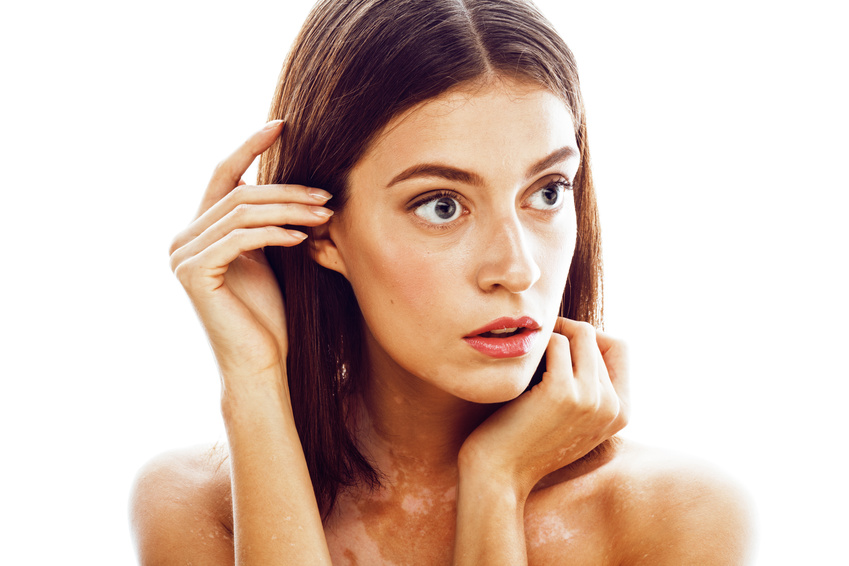
    beautiful young brunette woman with vitiligo disease close up isolated on white positive smiling, model problems concept, bad tan real problem

    Histamine affects skin pigmentation in a numbers of ways: my two old buddy’s melasma and vitiligo. You know those patches of dark skin on your face that are barely covered by make up, get worse when exposed to the sun, and are aggravated by pregnancy hormones? Yeah, we have histamine and mast cells to thank for those. On the flip side we have the autoimmune skin condition vitiligo, which causes white patches to develop all over. I don’t know about you, but my skin hyper-pigmentation has been a constant source of frustration, so I decided to take a closer look into both. 

    MELASMA

    Sadly I couldn’t find any rights-free photos of this, and I’m far too vain to share any make up free shots of myself, so I’ll just explain. Melasma looks kind of like you didn’t scrub your face right and dirt or bronzing powder got left behind.

    Fun right?

    A number of studies tell us that histamine is a major melasma trigger. It seems that the release of histamine by skin mast cells, as triggered by ultraviolet light, causes these brown patches on the skin.

    What about the hormone link? Yes, pregnancy hormones and birth control are involved, and I’ll be covering them in upcoming posts on the subject. Make sure to sign up to my mailing list so you don’t miss them. But other than the histamine-hormone interplay, other studies have found that histamine and prostaglandins (both released by mast cells) are the primary drivers of sunburn, which is why topical antihistamine cream has become a home care mainstay.

    I’ve personally always used a piece of fresh aloe vera plant. You pretty much can’t walk more than a few steps without seeing it where I grew up in Spain, so I’d just break off a piece to nurse my poor skin on the way home from the beach. In my defence we knew little about skin cancer back in those days…

    An animal study in the BMC Dermatology Journal found that silymarin cream (milk thistle) effectively treated melasma. The study authors believe that the milk thistle is reversing sunlight damage generally, not just the melasma pigmentation.

    Their before and after milk thistle treatment photos were so amazing that they’ve had me frantically rubbing Herb Pharm’s pure extract into my face nightly. I’m impressed so far…

    VITILIGO

    The Mayo Clinic website tells us that vitiligo is triggered when cells stop producing melanin, the stuff that pigments our skin, hair, and eyes. So far we know that an immune system response, exposure to stress or chemicals, and sunburn can cause it. Complications are sunburn and skin cancer, eye inflammation, hearing loss, and of course, stress.

    People with vitiligo are advised to wear sun protection of at least 30SPF and to get their hearing professionally tested. Possible treatments include topical steroid creams that may help re-pigment the skin, topical vitamin D, calcineurin inhibitors (which may trigger lymphoma and skin cancer), ultraviolet light therapy (also skin cancer risk), de-pigmentation of the rest of the skin and skin grafting.

    Read my post on vitamin D and histamine here.

    The histamine/mast cell link

    A 2013 study found that blood histamine level appears to play a significant role in a particular type of vitiligo that’s linked to de-pigmented patches with itching.

    My own vitiligo finally cleared up a few years ago. It was never very visible, just a de-pigmentation around my hands that was slowly creeping upwards. I have dealt more with melasma, and still do!

    Interestingly, for other types of vitiligo, histamine may be a treatment. A 2010 study found that histamine release in the body triggered by bee venom may be able to add pigment back to the skin.

    A few other options worth looking into

    Melanin, the skin pigment stuff, is created by melatonin. I wrote about melatonin recently and how supplementing it may help prevent mast cells from leaking histamine. Read the post here.

    A study with a small sample size found that patients with non-segmental vitiligo, which is what it’s called when the patches are symmetrical, melatonin was lower than the average. They point out that melatonin is one of the links in the body’s stress defence mechanism and that it also helps modulate immune system function. They concluded that further research was needed.

    The Mayo Clinic website also shares that some studies show that Gingko biloba may help return colour in people with slow spreading vitiligo and other studies that folic acid and vitamin B12 may help.

    It’s finally here! Man Food – a high nutrient antihistamine and anti-inflammatory ingredient filled book geared towards guys, women who love to work out, yoga like they mean it, or just load up on healing nutrients. Features my personal shopping list of antihistamine and anti-inflammatory foods.

    The Anti-cookbook and all liquid Anti-Detox Book, don’t treat any conditions, but feature a plethora of the high nutrient antihistamine and anti-inflammatory ingredients that have been instrumental in helping me feed myself on a limited diet. The Anti-cookbook features a four page list of antihistamine and anti-inflammatory foods and comes in regular and Paleo.

    The Low Oxalate Cookbook features antihistamine and anti-inflammatory rich recipes.

    Don’t miss the Low Histamine Beauty Survival Guide for non-toxic beauty tips, the skinny on histamine releasing (mast cell degranulating) beauty ingredients, antihistamine and anti-inflammatory beauty alternatives and the top brands natural brands I’ve found.

    Take a peek at my other low histamine and antihistamine cookbooks for more high nutrient recipes

    ——REFERENCES—–

    “Vitiligo Treatments and drugs.” Mayo Clinic. N.p., n.d. Web. 24 Mar. 2017.

    “What is segmental & non-segmental vitiligo?” Vitiligo Cover. N.p., 23 Jan. 2017. Web. 24 Mar. 2017

    Panja, Salilkumar, Biman Bhattacharya, and Siteshchandra Lahiri. “Role of histamine as a toxic mediator in the pathogenesis of vitiligo.” Indian Journal of Dermatology 58.6 (2013): 421. Web.

    Brenner, Michaela, and Vincent J. Hearing. “Modifying skin pigmentation – approaches through intrinsic biochemistry and exogenous agents.” Drug Discovery Today: Disease Mechanisms 5.2 (2008): n. pag. Web.

    Kwon, Soon-Hyo, Young-Ji Hwang, Soo-Keun Lee, and Kyoung-Chan Park. “Heterogeneous Pathology of Melasma and Its Clinical Implications.” International Journal of Molecular Sciences 17.6 (2016): 824. Web.

    Kim, Nan-Hyung, and Ai-Young Lee. “Histamine effect on melanocyte proliferation and vitiliginous keratinocyte survival.” Experimental Dermatology 19.12 (2010): 1073-079. Web.

    Gilchrest, Barbara A., Nicholas A. Soter, Jeffrey S. Stoff, and Martin C. Mihm. “The human sunburn reaction: Histologic and biochemical studies.” Journal of the American Academy of Dermatology 5.4 (1981): 411-22. Web.

    Hernández-Barrera, R., B. Torres-Alvarez, J. P. Castanedo-Cazares, C. Oros-Ovalle, and B. Moncada. “Solar elastosis and presence of mast cells as key features in the pathogenesis of melasma.” Clinical and Experimental Dermatology 33.3 (2008): 305-08. Web.

    Altaei, Tagreed. “The treatment of melasma by silymarin cream.” BMC Dermatology 12.1 (2012): n. pag. Web.

  • Researchers confirm that inflammation, histamine, cause anxiety (GAD)

    Researchers confirm that inflammation, histamine, cause anxiety (GAD)

    It’s hardly news to us those of us with histamine intolerance and mast cell activation that inflammation can cause symptoms of anxiety. Now though, the research has finally caught up, with scientists identifying altered pro and anti-inflammatory profiles in patients with Generalised Anxiety Disorder (GAD). One of the inflammatory agents is monitored in the study can also be released by mast cells (which can also trigger histamine). 

    The study published in Brain, Behavior and Immunity provides the first evidence that Generalized Anxiety Disorder (GAD) is associated with an imbalance between interferon (IFN-y), interleukin (IL-10), and tumor necrosis factor (TNF-a), which is released by mast cells.

    The authors found that patients with GAD had high levels of pro-inflammatory IFN-y and TNF-a, but low levels of the anti-inflammatory IL-10, compared to healthy control subjects. They believe that an impairment of the tryptophan degrading enzyme leads to degradation of serotonin in patients with GAD.

    I’ve long researched the link between histamine, mast cells and anxiety and depression.

    You can read about the mast cell-depression link here

    And how antihistamines can treat schizophrenia here

    HISTAMINE IS ALREADY IN THE BRAIN

    Now, with histamine researcher Dr. Janice Joneja once said to me, “Well of course the symptoms are all in the head, histamine is a neurotransmitter!”

    You can find my interview with this amazing histamine researcher here

    Her comment tickled me immensely given the number of times I was admonished for imagining my symptoms and that it was ridiculous to link what I ate, and how my body felt, to my state of mind.

    Read my interview with Harvard trained psychiatrist Dr. Georgia Ede for more on the histamine-mood link

    Read all about how histamine can generate symptoms of anxiety here

    It seems that us members of the “permanently inflamed tribe” have been vindicated in linking flushing, palpitations, anxiety, tunnel vision and (in my case) a sense of doom almost like an asteroid was on a collision course with my reality, to histamine and inflammation generally.

    I was first diagnosed with anxiety at about fourteen years old, but really I’d been suffering from it since childhood. My brother once commented (ok, way more than once), that I was the most fearful and stressed child he’d known (he’s sixteen years older than me). While it’s true that I’ve had a very tumultuous life, growing up in a war zone, father dead at 40 or so, changing schools and moving country every six months at times, I don’t consider that I had a particularly traumatic life compared with many people. And yet I was shaking like a leaf most days, filled with a sense that something truly catastrophic was about to befall me or my loved ones. I would wake up in the morning with a sense of dread, wondering what awful thing was going to happen. It was almost a relief when something would happen, and hopefully I could go about the rest of my day just a smidge less fearful than I started it.

    But things got out of hand at university. Within just a few short years I was diagnosed with GAD, bipolar and unipolar depression, borderline personality and was medicated with pretty much everything on the market, for years. Changing my diet allowed me to come off all psychiatric medications (including daily Xanax/benzodiazepines), within a matter of months, but I was still a mess histamine-wise, till I totally overhauled my life.

    You can learn how I transitioned from eating a handful of foods to eating a normal diet here (nutrient dense and from scratch is normal to me!).

    Nowadays it takes a major life event to properly phase me. What I’m still not great at is dealing with daily anxiety due to a situation beyond my control, like when my mother fell ill last year and I spent a year flying back and forth to a country on another continent.

    But I do my best. The meditation and exercise are a huge help, as is knowing that I may be on edge simply because my histamine level might be elevated. And yes, it does still happen to me. Because like you, I’m human, and I’m constantly pushing the boundaries to see what I can get away with.

    You’ll find recipes full of foods with antihistamine and anti-inflammatory properties my books Anti-Recipes and The Anti-Cookbook

    CLICK HERE FOR A FOUR WEEK HISTAMINE RESET WITH MEAL PLANNERS, STRESS RELIEF STRATEGIES & MORE

    ——–REFERENCES——–

    Brain Behav Immun. 2017 Feb 1. pii: S0889-1591(17)30021-1. doi: 10.1016/j.bbi.2017.01.021. [Epub ahead of print]

    Peripheral inflammatory cytokines and immune balance in Generalised Anxiety Disorder: Case-controlled study.

    Hou R1, Garner M2, Holmes C3, Osmond C4, Teeling J5, Lau L3, Baldwin DS6.

  • 7 BEST foods for histamine intolerance

    7 BEST foods for histamine intolerance

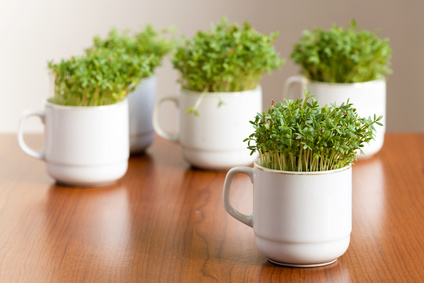
    Fresh watercress or cress growing in small cups at home.

    Start the new year right with these 7 histamine intolerance foods that fight inflammation, are histamine friendly and super healthy for the body overall. I guarantee that you’ll always find these foods in my fridge and cupboards because I leaned heavily on them for the last five years, before figuring out that I was able to reintroduce most of the foods I’d had to eliminate over the years. Here’s how I did it. 

    Arugula

    Benefits

    Researchers have found that arugula extract can protect us from stomach ulcers, probably through its effect on histamine and prostaglandins (both of which are released by mast cells in the body). Arugula is also high in vitamin K, which helps us fight inflammation and prevent osteoporosis. Sulforaphane found in arugula and other cruciferous veggies is being studied for its role in preventing or stopping the growth of cancer, particularly lung, breast and pancreatic. This compound is particularly concentrated in sprouts/young shoots so I’ll often use arugula shoots.

    Works well in

    I like to use mine in what I call juicies – which are basically just a juice that you then blend stuff into. I’m not a fan of knocking back massive quantities of raw fiber (it just can’t be good for the body to suddenly deal with that). It’s also great in salads and I sometimes quickly pop open a bag and sweat the leaves very quickly in a pan with a little olive oil. Doing so means that I can eat a lot more lightly cooked than raw.

    Watercress

    Benefits

    Research tells us that compounds extracted from this spicy plant can prevent histamine release from cells exposed to an allergen. Watercress is also high in anti-inflammatory bone building vitamin K and can help decrease neuropathy (nerve pain) in diabetics. It has also been shown to help fight high blood pressure.

    Watercress compounds are also linked to decreased cancer risk,  protection from the effects of radiation and chemotherapy.

    Works well in

    Juicies and salads. Don’t forget that it’s a spicy plant and as such care should be taken not to pair it with other spicy ones like arugula or ginger.

    CLICK HERE TO LEARN HOW TO CREATE YOUR OWN HISTAMINE BALANCED DIET AND HEALING PLAN. 

    Black rice 

    Benefits

    According to Dr. Axe the bran hull of back rice contains one of the highest levels of the antioxidant anthocyanin found in any food. Those of you following my instagram feed will have noticed I spend a lot of time eating and talking about this antioxidant purple miracle pigment. Anthocyanins are found in blueberries, raspberries, cranberries, and purple varieties of carrots, cauliflower and sweet potato. The absolute only inflammatory (pretty much nutrient devoid) potato I will eat is a blue/purple one.  Anthocyanins prevent cardiovascular disease, cancer and are anti-inflammatory and can help cleanse the liver of of toxic build up. Arsenic is a concern nowadays with all rice, but the Environmental Working Group tells us that cooking rice more like pasta will decrease the arsenic content by about forty percent. Rinse the rice then boil one cup of rice in twelve cups of water.

    Works well in

    I love adding rice to salads and I really enjoy black rice noodles (you can buy these online or in health food stores) as a wheat pasta substitute.  I’ll often just toss some noodles with sautéed veggies and onion as a meal.

    Artichokes

    Benefits

    This tasty vegetable is rich in the mast cell stabilising bioflavonoid luteolin. We want mast cells stable so they don’t leak histamine and other inflammation into the blood stream. Other members of the artichoke family have antihistamine properties and all are highly anti-inflammatory.

    Works well in

    My absolute favourite dairy free creamy pasta sauce is make from boiled artichoke hearts. You’ll find the recipe here. I also adore eating chokes lightly boiled and then paired with a apple cider vinaigrette. I’ve even been known to slip a bit of organic three ingredient Dijon mustard (look for Edmond Faillot mustard at Whole Foods), which is a higher histamine ingredient but also anti-inflammatory. Your results may be different. Artichokes can also be shaved using a mandolin and eaten raw in a salad, or you could quarter them, drizzle with a little oil and lemon and roast them.

    Ginger

    Benefits

    One of the best weapons in the antihistamine arsenal, ginger is a potent antihistamine, nausea inhibitor (histamine causes nausea and motion sickness!), and of course anti-inflammatory and cancer preventer. Also in the family, turmeric has an even more amazing profile but I can only do small amounts of it due to its very high oxalic acid, salicylic acid and MAO enzyme inhibiting properties. When a food appears on multiple lists, even if it’s classed as one of the world’s healthiest foods, I’m likely to avoid ingesting massive amounts of it.

    Works well in

    Smoothies, juices, soups (I add ginger and turmeric to all my soups), grated into salad dressing and onto sautéed veggies (especially great with noodles).

    Lentils

    Benefits

    Some lists tell us that lentils are high histamine. Once I realised that excluding nutrient dense foods willy nilly wasn’t working for me, I started slowly adding back foods that had lots of benefits. Lentils were at the top of the list. Given that my father died of lung cancer in his early forties, and friends developing breast cancer around me at an alarming rate, cancer fighting foods seem like a great idea. Lentils are also a great source of potassium, calcium, zinc (needed for the manufacture of the histamine lowering DAO enzyme), folate and iron. I’ve never noticed any kind of histamine reaction from lentils, ever, so as with many of these foods, your own reaction is best to go by.

    Works well in

    Pressure cooking lentils can inactivate lectins and other “anti-nutrients”. I love my lentils in salads, in soups like my absolute favourite lentil chard, and I make savoury waffles and flatbreads out of lentil flour (you can buy it online or make your own in a coffee grinder or a Vitamix). There’s also a few great brands of gluten free pasta made from lentils that can also be found online or at organic supermarkets.

    Chives

    Benefits

    Members of the allium family possess significant mast cell stabilising properties,  thereby preventing histamine release. My other favourite is red onion,  which is super high in quercetin,  the bioflavonoid usually responsible for the antihistamine activity. Red onions are of course a double whammy thanks to the anthocyanins in the skin. A caveat, don’t remove too much of the skin – that’s where the good stuff is. Chives are also full of red blood cell building chlorophyll.

    Works well in

    Pretty much everything! I use a pair of scissors to chop them into salads, soups, and onto pretty much anything I eat, raw or cooked.

    You’ll find recipes full of foods with antihistamine and anti-inflammatory properties my books Anti-Recipes and The Anti-Cookbook

    CLICK HERE TO CREATE YOUR OWN PERSONALISED HEALING HISTAMINE PLAN. 

    ——– REFERENCES ——-

    Alqasoumi, S. (2009). Rocket “Eruca sativa”: A salad herb with potential gastric anti-ulcer activity. World Journal of Gastroenterology, 15(16), 1958. doi:10.3748/wjg.15.1958

    Goda, Y., Hoshino, K., Akiyama, H., Ishikawa, T., Abe, Y., Nakamura, T., . . . Toyoda, M. (1999). Constituents in Watercress: Inhibitors of Histamine Release from RBL-2H3 Cells Induced by Antigen Stimulation. Biological & Pharmaceutical Bulletin,22(12), 1319-1326. doi:10.1248/bpb.22.1319

    What Are the Benefits of Eating Lentils? (n.d.). Retrieved December 25, 2016, from http://healthyeating.sfgate.com/benefits-eating-lentils-4547.html

    Anti-allergic effects of herbal product from Allium cepa (bulb). (n.d.). Retrieved December 25, 2016, from

    (n.d.). Retrieved December 25, 2016, from http://www.medicalnewstoday.com/articles/275009.php

  • Magnesium deficiency triggers histamine inflammation

    Magnesium deficiency triggers histamine inflammation

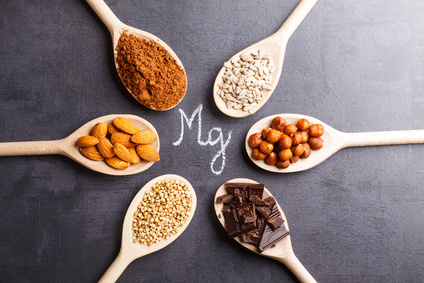
    Products rich in magnesium on wooden spoons.

    Did you know that something as simple as a vitamin or mineral deficiency can trigger histamine induced inflammation? While many deficiencies can be responsible for confusing symptoms when we’re doing everything else right, today I’m going to focus on one of the most likely contenders: magnesium.

    A study published in the Drug-Nutrient Reactions journal found that dietary restriction of magnesium in an animal study caused histamine levels to rise considerably after just four days of restriction, with histamine levels reaching a high after eight. But levels then quickly dropped after just two days of adding magnesium back to their diet.

    Another study in the Journal of Nutritional Science and Vitaminology (yes, that’s a word apparently) tells us that magnesium deficiency has been linked to increased mast cells in the small intestine, kidney and bone marrow, and now in the liver.

    In case you’re new to my website, mast cells are a part of the white blood cell system. They’re where histamine and other inflammatory molecules like prostaglandins, leukotrienes and interleukins live. Mast cells are triggered into dumping this inflammation into the blood stream when we need to fight an infection, or experience massive stress hormone release, general female hormone fluctuations, or are faced with an allergen. In some cases they’re just confused and keep firing even when there’s no reason for them to. The presence of mast cells generally indicates that inflammation is underway and I found even more studies showing that magnesium deficiency just generally contributes to inflammation. I don’t know about you, but I’d really rather not have inflammation in my liver (or anywhere else for that matter), so magnesium seems like something we should keep an eye on.

    One of my core concerns with the extreme prolonged elimination “phases” I see people entering in to is the potential for vitamin/mineral deficiency and very real fear of starving the body.

    Here’s how I fought my way back from elimination to reintroducing foods. 

    A friend with histamine intolerance was recently hospitalised for this very issue. It took them several months of IV treatment with nutrients to recover from the extreme deprivation.

    Click here to learn how to create a histamine-balanced diet for yourself that prioritises nutrition over elimination.

    The University of Maryland website tells us that magnesium is needed by the heart, muscles, and kidneys. It activates enzymes – the boy requires magnesium to product the histamine degrading diamine oxidase (DAO) for example –  and it regulates calcium, copper, zinc, potassium and vitamin D levels in the body.

    A lack of magnesium manifests as: anxiety, problems sleeping, irritability, nausea/vomiting, heart palpitations, low blood pressure, confusion, cramps, insomnia, and more.

    Studies show that inhaled magnesium can help treat asthma attacks, treat depression and diabetes 2, among others.

    About 400mg of magnesium is recommended daily for adults. You can get it from food, supplements or transdermal application (sprays and bath salts).

    Low histamine magnesium rich foods: oatmeal, beans, chard, flax seeds, almonds, salmon (fish isn’t high histamine if it’s very fresh), cilantro, agar agar seaweed, basil, fennel seed, and cumin.

    Not necessarily low histamine but not high histamine: sesame, sunflower and pumpkin seeds.

    Seeking Health makes a relatively clean product Optimal Magnesium – 100 Vegetarian Capsules with the added bonus of ascorbyl palmitate, a type of corn-free vitamin C that I have chosen to use these last few years. As with all supplements there are contraindications and side effects so please do some research before trying anything new.

    I’ve used pure liquid magnesium in the bath as a histamine soother for years (though I didn’t tolerate it at the start). Please remember that heat is a major histamine trigger (as per mast cell experts Dr. Theoharides, Dr. Luis Escribano and others) so a lukewarm bath may be more appropriate (but we’re all different, so go with whatever works for you).

    You’ll find recipes full of foods with antihistamine and anti-inflammatory properties my books Anti-Recipes and The Anti-Cookbook

    CLICK HERE FOR A FOUR WEEK HISTAMINE RESET WITH MEAL PLANNERS, STRESS RELIEF STRATEGIES & MORE

    REFERENCES

    Nishio A, Ishiguro S, Miyao N. “Specific change of histamine metabolism in acute magnesium-deficient young rats.” Journal of Nutritional Science and Vitaminology. 1987;5(2):89-96.

    “Magnesium.” University of Maryland Medical Center. N.p., n.d. Web. 10 Sept. 2016.

    Takemoto, Satoshi, Akane Yamamoto, Shozo Tomonaga, Masayuki Funaba, and Tohru Matsui. “Magnesium Deficiency Induces the Emergence of Mast Cells in the Liver of Rats.” J Nutr Sci Vitaminol JNSV Journal of Nutritional Science and Vitaminology 59.6 (2013): 560-63. Web.

    Ishiguro, Shigeru, Akira Nisio, Noboru Miyao, Yoshio Morikawa, Kazu Takeno, and Iwao Yanagiya. “Studies on Histamine Containing Cells in the Spleen of the Magnesium-deficient Rats.” Folia Pharmacologica Japonica 90.3 (1987): 141-46. Web.

  • Parasites trigger mast cell histamine release

    Parasites trigger mast cell histamine release

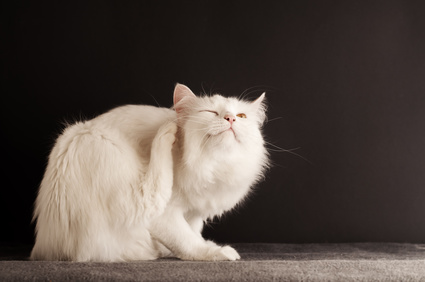
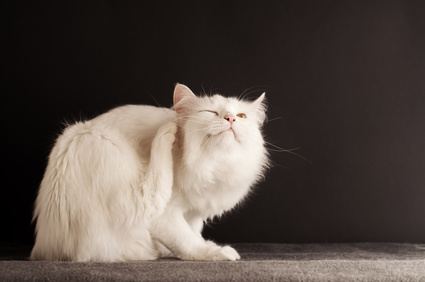
    Cat scratching itself

    Mast cells are a key player in the immune system response. They release histamine and other inflammatory agents into the bloodstream to fight viruses and bacteria, parasites, and promote wound healing. Pretty much any invader can cause this mast cell activation, or a perceived intrusion, by food and beauty products for example, when the immune system is on a rampage. There’ll be a root cause for many dealing with mast cell/histamine related symptoms and inflammation, and resolving it will hopefully lead to recovery once the immune system is able to rest easy knowing its work is done. All references are found at the end of the post. 

    Parasites.

    Nowadays nothing sets off my quack-ometer more violently than parasite “zapping”.

    Well, that biofeedback machine where you hold the copper balls in your hands to diagnose/treat allergies and a few other choice pseudoscientific delights with a real potential to kill, or at least totally fleece people, maybe. In the years before become a (somewhat) sceptical journalist for CNN and the BBC I flushed a tremendous amount of money down the loo submitting to many of these questionable treatments. Nowadays I write about healing naturally, but using scientifically backed research, much of it conducted on poor little animals or in test tubes; but we work with what we have.

    Sadly, parasites are a real thing, and medical diagnosis and treatment is possible, if only more practitioners were open to the idea, rather than driving us desperate folk into the arms of quacks.

    Mast cells are a kind of army barracks that house histamine and other inflammatory soldiers till they’re called into battle for our survival. These cells release inflammation like histamine into the bloodstream as a first line of defence against parasites. Mast cells can control parasites in a number of ways, one of which is by regulating gut permeability (causing or fixing what some may know as leaky gut).

    Histamine released by mast cells can also happen via IgE immune system response (like in allergies). There are many causes of a high overall IgE level, but parasite infection is definitely one of them. Interestingly, you may have heard in the last few years that people have been trying to cure allergies by knowingly infecting themselves with helminths. I know a number of cases where this has backfired, so please be very careful if you choose to investigate this.

    Signs and symptoms

    Abdominal pain, diarrhea, nausea or vomiting, gas or bloating, rash or itching of the posterior, stomach pain or tenderness, tiredness, weight loss.

    Testing

    According to the Centers for Disease Control (CDC) your doctor should consider:

    A fecal (stool) test/ova and parasite test (O&P)

    The CDC recommends that three or more stool samples be collected on separate days to find parasite eggs. They must be refrigerated but not frozen.

    Endoscopy

    This test is recommended when parasite infection is suspected but not found using stool samples. It’s a fairly unpleasant procedure that allows the doc to examine the intestine to look for the little buggers or evidence they’ve been there.

    Blood tests

    Serology

    This looks for antibodies produced by the immune system in response to the parasite.

    Blood smear (not a live blood analysis)

    This helps doctors spot any blood borne parasites.

    X-ray/MRI/CAT 

    These are used to spot any lesions caused by some types of parasite infections.

    The University of Maryland Medical Center (UMMD) details something called the “Scotch Tape Test” that is so stomach charmingly gross that I can’t quite bring myself to repeat it. Do ask your doc about it though because it seems an inexpensive, pain-free, if insanely embarrassing, approach. That said, women regularly undergo some undeniably barbaric and humiliating procedures, so what’s one more, right?

    Dietary approaches 

    Last week I shared a wonderful Indian spice that easily replaces onions and garlic in flavour, which is handy for those allergic to the allium family or low FODMAPs. It also happens to kill some types of parasites. Read the post here.

    May stop parasites from growing…

    Avoiding sugars.

    Eating raw garlic, pumpkin seeds, pomegranates, beets and carrots (all low histamine), which have been traditionally used to kill parasites.

    Eating more fiber to poop them out.

    Zinc to support the immune system .  

    You’ll find recipes full of foods with antihistamine and anti-inflammatory properties my books Anti-Recipes and The Anti-Cookbook

    CLICK HERE TO CREATE YOUR OWN PERSONALISED HEALING HISTAMINE PLAN. 

    The UMMD offers a nice round up of potential natural remedies

    Garlic

    Barberry

    Goldenseal

    Curled mint

    Please always consult a doctor before adding new foods or supplements.

    ——– REFERENCES ——–

    “Total IgE.” Lab Tests Online. Lab Tests Online, n.d. Web. 16 July 2016.

    Saluja, R., M. Metz, and Marcus Maurer. “Role and Relevance of Mast Cells in Fungal Infections.” Front. Immun. Frontiers in Immunology 3 (2012): n. pag. Web.

    “Intestinal Parasites.” University of Maryland Medical Center. N.p., n.d. Web. 16 July 2016.

GET STARTED HEALING HISTAMINE

WHAT YOU NEED TO KNOW ABOUT HISTAMINE DELIVERED TO YOUR INBOX