It’s been a while since I checked in with myself and with all you lovely folk out there.
Here’s what’s been happening:
I spent the week before last shooting a number of cooking videos, an interview with a local British journalist (it was a fabulous disaster, more on that in an upcoming post), and a six week yoga course.
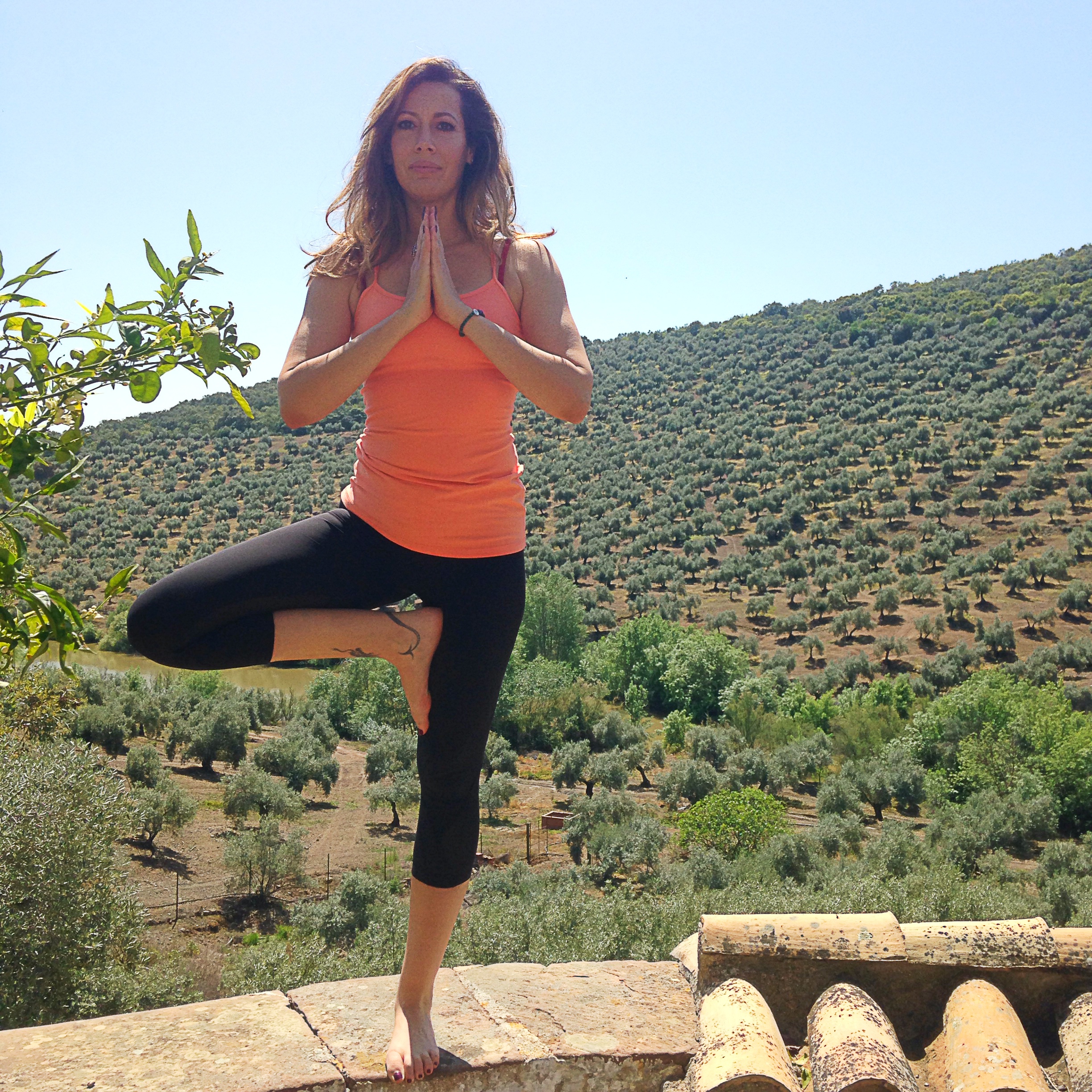
Yup, you heard right: a yoga course. Coming to your living room real soon is an introduction to restorative yoga. I enlisted my yoga teacher Lori Sjollema here in Spain to help me recreate the restorative (chilled out) sequences I’ve used over the last year to help get me where I am health-wise.
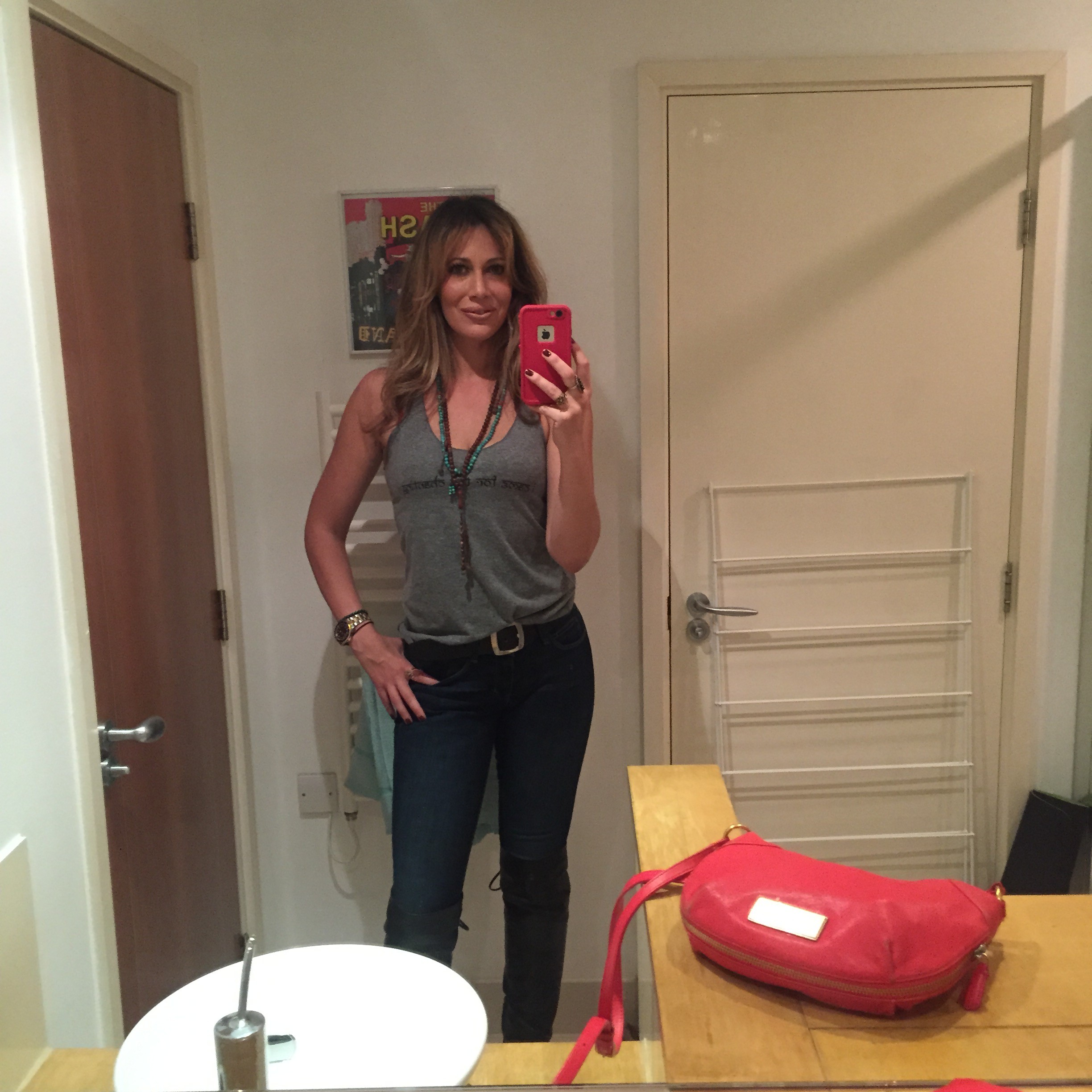
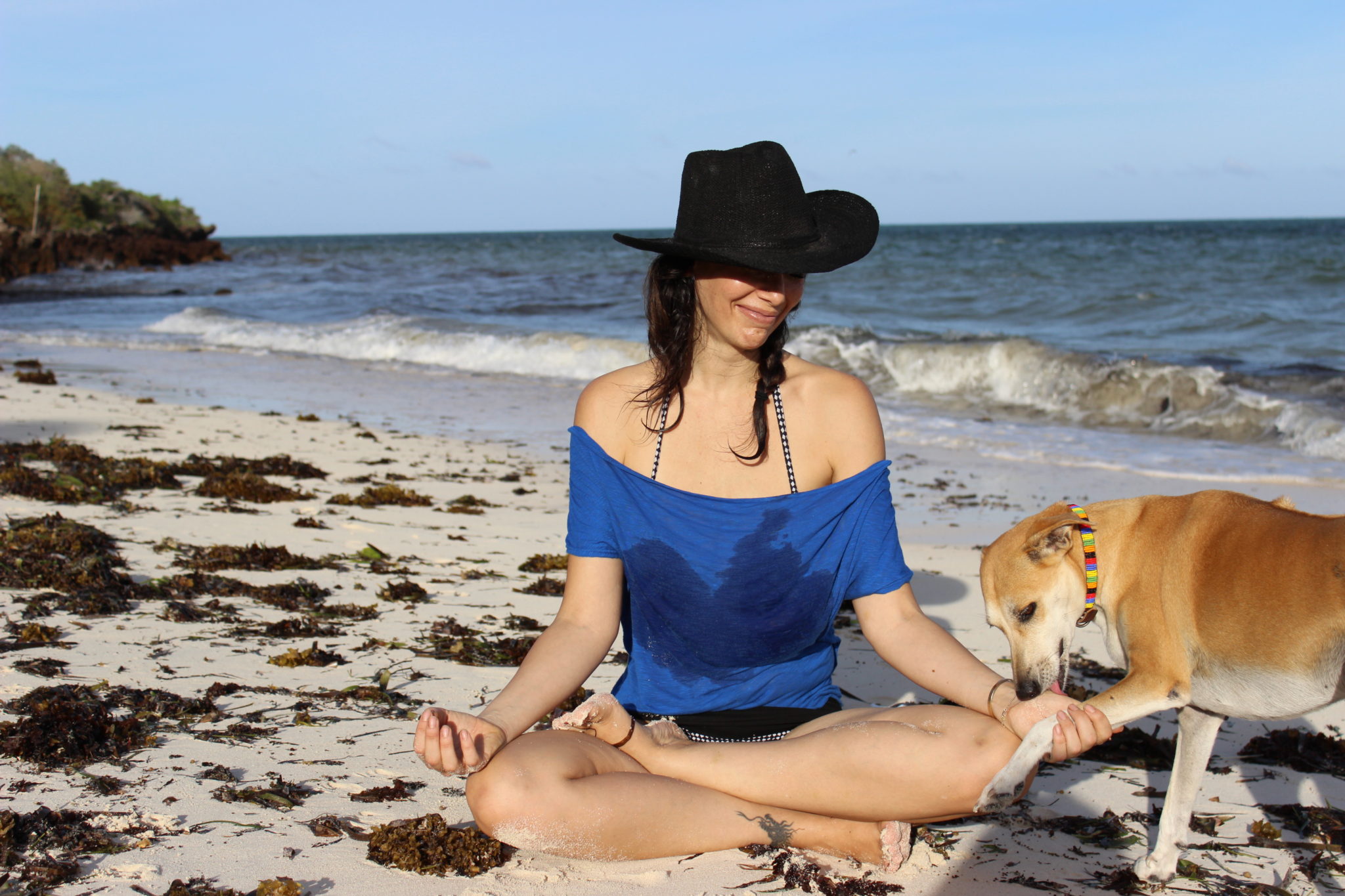
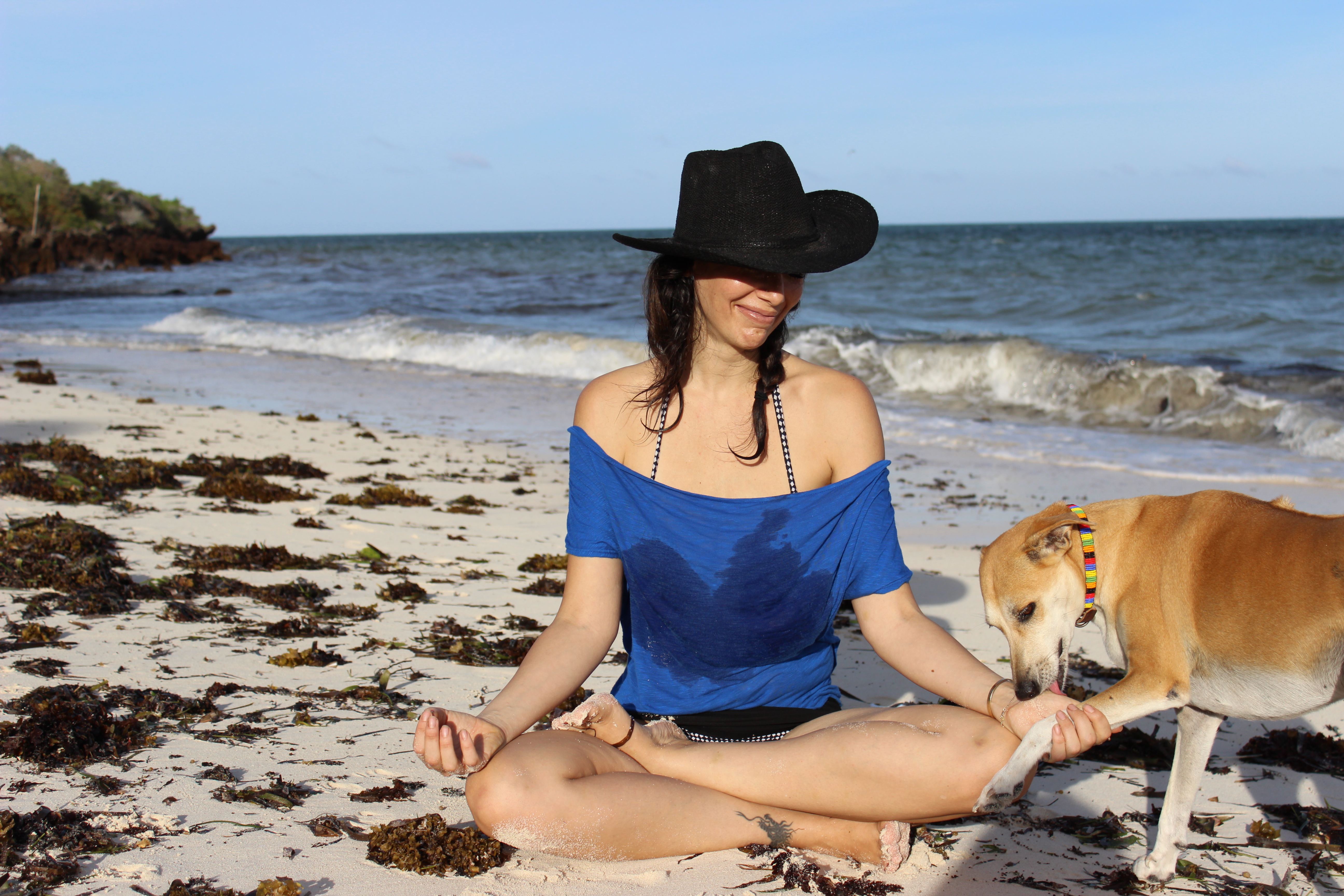
Where’s that? Check out the photos…I just recently had my hair bleached and toned by the wonderful Phoebe at the George Northwood salon in London. It’s significant because just over a year ago I was still reacting horribly to chemicals and wouldn’t have dreamt it was possible to smell the bleach let alone put it anywhere near my head. While we’ve been going for model highlights (as they call it at this salon) with a balayage technique (which means it doesn’t touch the scalp), I told Phoebe to get real close to the scalp this time, close enough to put chemicals all over it. While I definitely don’t plan on making a habit of it, I mean, bleach, blecch, I am certainly enjoying the freedom. Yes, to people who have never experienced the all-consuming chemical and food trigger avoidance many of us with histamine/mast cell issues do, it seems totally mental to be excited about hair colour, but when you consider that I wrote an ebook just a few short years ago detailing my beauty routine thus:
“Washing” my hair with water, or wearing gloves to shampoo just the ends without touching the scalp.
Scrubbing my body with sea salt and a bath mitt (and nothing else).
Employing “shower” shoes or a rolled up yoga mat to avoid product back wash when sharing a shower with a significant other.
Using a nail file to file off water-based nail polish rather than use soy-based polish remover.
Henna to dye the hair (I will still use henna again when I go back to my natural midnight brown colour).
And now, I’m using any nail polish I want (I use zoya), soy based remover, I dye my hair any way I want, I wear any (natural) make up I choose (check out the storeor ebook for my top choices).
Not too shabby for the chick who cried her way through her first Notting Hill carnival because some woman accidentally sprayed her with perfume, the one who lost her s**t on a plane when people ate cheese next to her(yeah, thanks amygdala), the one who was so terrified of chemicals and pollen that she wore one of those SARS masks everywhere for a few months.
A note to meditators and those employing it to heal: it took me some time to understand the difference between making my peace (through meditation) with my life, and trying to survive a situation that no-one should be forced to tolerate, while trying to keep my sanity. If you can take steps to make your life better by removing yourself from a stressful situation that’s making you miserable and sucking your life force, go ahead and do that, do not attempt to use meditation to stick your head further in the sand. There’s no heroism in sticking it out and trying to apply meditation as a bandage. Take action, then meditate, or meditate while you take action. You’ll find more on what I’m talking about here.
One of the bravest decisions I made was to accept I needed to fix myself. Once I did, the most amazing thing happened – I met and moved in with someone who helped me heal on an emotional and physical level. We meditate and do yoga together. We eat the same diet (he just likes being healthy), we read books and discuss our spiritual and physical development. We all need a little magic in our lives, irrespective of how long it lasts. Sometimes a little fairy dust is all it takes to help us fly…but make no mistake, it’s not your other who sprinkles it on…it’s you, and there’s a never ending supply as long as you take the time to understand how amazing and unique you are as a human being and that happiness, wellness and super charged healing comes from within. We just sometimes need a little space or understanding and support to let it flourish.
Back to yoga.Having spent the last week in London, hitting up Whole Foods and checking out all the new organic/raw food restaurant/juicing talent, as well as frequenting the insanely intense yogasana class of Stewart Gilchrist – one of the most amazing teachers I have had the pleasure of experiencing, I’m now back in Spain putting the finishing touches on the yoga course. I’m quite sure Stewart would hate being described thus, but he’s taught quite a few high profile people like Woody Harrelson, various supermodels, and supremely bottomed Pippa Middleton (among others). Lori, my teacher in Spain, trained at Jivamukti with Sharon and David Gannon in the same class as Stewart. I love how small the world is!
The point is that I spent years moulding my body to fit the idealised notion I had of who I was. The conflict zone CNN/BBC journalist always in danger, always on the move, definitely totally in control. But nothing was further from the truth. My body imploded under the duress, I got sick, and the career and life I worked so hard to nurture came crashing down around me.
And yet I kept trying to heal in the only way I knew how: pushing myself, trying to batter my body into submission by lifting weights aggressively, running till the verge of collapse, kickboxing till my nerves were so raw that I exploded in anger at the drop of a hat. My type A personality forced me into a competition, against myself, against my sickness. But my body rebelled, and soon I was bed-bound, out of work and in serious debt.
And then, I re-discovered meditation. Regaining the mind body connection helped me let go of who I no longer was, rekindling the passion for my long-abandoned yoga.
Medical studies show that yoga fights all kinds of inflammation and that pranayama breathing in particular, sometimes referred to as yoga or yogic breathing, may lower histamine levels and help asthmatics lessen their need for inhalers [1]. I now practice many styles of yoga, balancing my competitive nature with the more yin, yielding, female aspects of yoga, and now I’m almost ready to share my personal yoga practice with you.
The six-week course, is based on a practice developed by my yoga instructor Lori Sjollema, in response to my requests for soothing, cooling, sequences to help put out the fires in my body created by inflammation. The six videos, each designed to build on each other, will introduce you to the basics of restorative yoga, with plenty of modifications for those with less range of movement or balance issues. Each 30 minute video will feature an additional 15 minutes of yoga nidra and another 5 minutes of seated meditation, for a total of 50 minutes per video. But you’ll be able to just play the main 30 minute sequence if you’re in a rush.
We designed the course with those new to yoga in mind, and certainly being mindful of the fact that many of us have not exercised for many years or are fairly limited in our range of motion/movement, or dealing with vertigo. A chair and a couple of blocks or pillows are all you need to gently ease into some of the poses (and we’ll show you how of course). Once you’re familiar with them, you can do away with these props and progress steadily. Videos will be available weekly and the course can be played as many times as you like.
This course has been created to serve as a gentle introduction to the world of yoga, inspiring you to seek further practice as you gain strength, of mind as well as body. It’s not a practice that’s going to have you turning cartwheels or making pretzel shapes with your body, it’s about relaxation, mindfulness, meditation and healing. It’s most suitable for beginners and those who find sitting still for meditation challenging.
In other news, I recently wrote a post for the wonderful New York based Beauty and Wellbeing online magazine. It’s a round up of my favourite healthy eateries in airports across the globe. LAX in particular stood out – it boasts the world’s fist plant based airport restaurant. You can read it here.
The Anti-cookbook and all liquid Anti-Detox Book, don’t treat any conditions, but are high in the high nutrient antihistamine and anti-inflammatory ingredients that have been instrumental in helping me feed myself on a limited diet. The Anti-cookbook features a six page list of antihistamine and anti-inflammatory foods and comes in regular and Paleo.
The Low Oxalate Cookbook features antihistamine and anti-inflammatory rich recipes.
Don’t miss the Low Histamine Beauty Survival Guide for non-toxic beauty tips, the skinny on histamine releasing (mast cell degranulating) beauty ingredients, antihistamine and anti-inflammatory beauty alternatives and the top brands natural brands I’ve found.
Please remember, even antihistamine and anti-inflammatory foods can hurt us, please always exercise caution and consult a medical practitioner before adding new foods.
Healing is truly a whole mind and body affair. As important as dietary changes have been, and in this case more so what I’ve added rather than eliminated, asking myself the right questions (at the right time) has been invaluable.
I’m not talking about which supplement to take, or which healing protocol to follow, but rather the recognition of destructive patterns and suppression of self as roadblocks to healing.
When it comes to the whole-istic healing of self that I have embarked on of late, perhaps the least offbeat has been my first foray into the psyche for at least a decade. I’m not saying that I blocked myself off from delving into my mind for that long, just that I haven’t done it in any kind of structured, guided way. Though meditation is incredible for lowering inflammation and dampening the genes implicated in histamine/mast cell disorders [1] I found that practiced alone, it was not sufficient for me to process the intense trauma of the last few decades, nor completely deal with my often out of control inflammatory processes.
As my friend BD says, you can’t live your life on the yoga mat.
And I absolutely agree. I spent the last year scared to get off my yoga mat, unsure as to whether the progress I had made would translate to the big bad world around me. Would the work I had done on my temper stick? Would I fall apart when confronted by those (doctors mainly) who had wronged me? Would I still have compassion beyond my visualisations?
To quickly sum up the last few decades in a sentence:
War as a child, abandonment by both parents, soul destroying verbally abusive relationship, war as an adult, insanely stressful journalist career, financial ruin, misdiagnosis and overmedication for non-existent illness, unnecessary operations, inability to work due to illness, and various others.
I’ve spent a really long time wallowing in hate towards those who abandoned me, my illness, those who professed to have my best interests at heart when they convinced me I was mentally ill (due to my histamine/mast cell symptoms) and medicated me so hard that I lost a decade of my life, as well as beating myself up for not being able to save the person I loved (or myself for that matter).
And so it was with incredible trepidation that I began half-heartedly looking for a therapist. After months of searching, I finally wound up on the doorstep of one of the most enlightened practitioners I have ever had the pleasure of knowing.
You know how sometimes you need to cut through all the BS and just connect on a human but intellectual level? You wouldn’t necessarily think that a Buddhist psychotherapist would be the answer. And yet, the more of his videos that I watched, the more of his lectures I heard, the more of his bio I pondered over, the more certain I was that this radical departure from my previous mental health experiences was needed.
Dr. Neale is the assistant Director of the Nalanda Institute for Contemplative Scienceand instructor of mind/body medicine at the Center for Complementary and Integrative Medicine at Weil Cornell Medical College. Miles teaches meditation and educational courses inspired by the Indo-Tibetan tradition and has trained in the lineage of the Dalai Lamas with American Buddhist scholars Joseph Loizzo and Robert Thurman and Tibetan masters Gelek Rimpoche and Lama Zopa.
In other words, he’s the man, and I’m super lucky to call him my therapist.
And yet I can’t tell you how uncomfortable I felt in his New York city office that first time. Memories of being prescribed fistfuls of mind altering medications week after week, of breaking down into a puddle of psychotic mush on the “sofa” after being declared bipolar and borderline personality (believe me, I wasn’t), just the anguish of a decade washed over me, bringing back something I hadn’t experienced since resolving an issue in my life that left me fearing for my safety. I called it my “existential mode”. My way of rationalising the eerie sensation where I feel so separate from my body that it’s like I’m watching myself from across the room.
Basically, my body goes totally numb and I feel I don’t exist.
Freaky.
Oddly, though nine psychiatrists to date have treated me, none of them managed to sum up my predicament in a couple of sentences like Dr. Neale:
I’m traumatised and random triggers of that trauma were happening all around me, some that I might not recognise as being such, and were causing my body to freak out. Now, having recently had my amygdala triggered big time by a smell on a plane (more on that here), which caused me to vomit for 24 hours for the first time in years, I was ready to finally accept that this same trauma trigger was a huge mast cell/histamine trigger.
I mean I’m not dissing the histamine bucket theory, you know the one that states that you won’t react to a food if your histamine bucket isn’t full (I proposed an alternate model – the inflammation bucket), but what I am saying is that once Dr. Neale pointed this out to me, I had to admit, I could trigger a histamine/mast cell reaction by thinking of traumatic events and even innocuous smells had the power to do so. I mean seriously, incense isn’t really going to logically kill me, except that my amygdala has deemed it so.
I truly believe, that in my case, triggering to food and smells had a lot more to do with my regressing to a traumatised state, or remembering previous negative reactions to food. Given the number of people I speak with in my consultationswho also have trauma in their past, who have found that fear at the dinner table is one of their triggers, I can’t help but think this must be the case for many others also.
Here’s an example:
Just a few days ago I sat down to lunch on a beautiful beach, with a close friend I’ve known since my teens. I decided to try something I hadn’t in years. Though I was totally chilled out and having a wonderful time, by the second bite of squid, my heart was thumping as though having a heart attack. Soon I was spinning on a merry-go-round and my blood pressure was dropping. And then it clicked that I had begun thinking of anaphylactic shock the moment I had decided to take a bite. Thinking how embarrassing it would be, I was soon beating myself up for being so selfish as to put my friend in a position of dealing with an emergency room visit (which hasn’t happened in years!). That’s how it might have gone down in the past, but this day I was prepared. I excused myself for a moment and went to lie down on a sun bed a little distance from the table. I popped a Neuroprotek quercetin supplement, the only tab I had, knowing it wouldn’t do much on its own, but confident I could convince my brain it would. And so I began my meditation. It wasn’t easy – but immediately lying down made me less aware of my blood pressure drop (totally induced by fear); physiologically it’s the right thing to do if that is what’s happening anyway. I began a meditation Dr. Neale prescribed me, where I really connect with what’s happening in my body. I just allow my awareness to completely experience everything that’s happening in there. Oddly, maybe because of my years of meditation practice at this point, it actually calms me. In my mind, I’m listening to my body, to my brain, allowing them to express their concern regarding what I’ve eaten/done, but encouraging them realise that it doesn’t need to be harmful. Those days are far in the past. I visualised the quercetin getting to work on my mast cells, pushing back any stress hormone induced histamine release. To be honest, at this point I could have taken a placebo and had the same effect. I kid you not: four and a half minutes later I felt fine. I returned to the table and went on with lunch for another hour.
(Please don’t misunderstand – I’m not saying anaphylactic shock can be meditated away, nor that allergies should be ignored. These are my personal experiences.)
You’ll find more on the role of trauma in immune system dysfunction in the wonderful read: The Last Best Cure.
Back to Dr. Neale: psychologists aren’t really there to convince you to do anything. You kind of have to make those decisions yourself. But as Dr. Neale said to me, I need a safe environment in which to rebuild myself and from which to begin to explore the world around me.
I had spent a lifetime in unstable, occasionally terrifying personal and work environments, and now it was time to do something different. He was right. Dr. Neale has been absolutely instrumental in helping me recognise and shed patterns of behaviour that perpetuated my view of myself as a weak person, unable to exist without a controlling partner, incapable of separating myself from the traumatised child/adult who was sleepwalking through life.
He’s also a really freaking cool guy who I absolutely connected with – someone who was totally on my wavelength.
Dr. Neale was kind enough to take some of his valuable time to explain a bit about Buddhist psychotherapy and the dangers of using meditation to numb our pain:
What is Buddhist psychotherapy?
There are currently several western therapeutic modalities that have incorporated meditation and mindfulness into their approach such as Mindfulness Based Cognitive Therapy and Dialectical Behavior Therapy.
The Buddhist world-view asserts that the mind’s nature is inherently flexible and transformable, suffering is conditioned by past negative experience reinforced into neural wiring, awareness provides pattern-recognition and leverages freedom of choice, and wellbeing is established by dis-identifying from rigid, self-limiting schemas and acting in harmony with the interconnected matrix of living systems. Human beings therefore unconsciously create their own experience of distress but can also learn to consciously redirect their own psychical health, psychological development and spiritual evolution. Read more on Buddhist psychotherapy here.
In your work have you seen evidence of a relationship between previous trauma and present day ill health?
Yes. Because of the mind-body connection I frequently see patients who have major medical conditions, which are exacerbated by stress and sometimes the result of unprocessed psychological trauma. Patients in my practice suffer from chronic pain, crohn’s, IBS, fibromyalgia, insomnia and chronic fatigue. I also treat patients with cancer, heart disease, and obesity, the so-called ‘diseases of civilization’ which are either directly related to stress and trauma or indirectly as a result of maladaptive coping strategies.
How important is meditation for those of us dealing with chronic illness? What are the main benefits?
Meditation may be an important adjunct strategy in the treatment of chronic illness, though I think these days many professionals either grossly underestimate or over-estimated the potential benefits that a simple technique can provide. While there is good research suggesting meditation may reduce overall stress, depression, anxiety, and improve concentration, immune function, and general wellbeing, there is nevertheless a danger of either dismissing it out of hand as primitive or religious, or else making meditation out to be some kind of panacea. Within the traditional Buddhist context, meditation is rarely prescribed independent of the world-view that considers our basic interconnectivity with all living systems and recommends an ethical lifestyle that promotes harmony intrapsychically, interpersonally and environmentally. Therefore, I rarely teach meditation or yoga techniques to those who are unwilling to consider how their outlook, attitude, lifestyle, family system and culture are all implicated in their disease and wellbeing. In other words, meditation can be clinically beneficial, but I don’t hand out techniques like pills. For more on meditation within its original context of Buddhist contemplative science read this.
You raised a very important point in my sessions with you – that the goal of meditation is not to separate us from the body, please elaborate.
Well, first I think its important to clarify that there are many types of meditation techniques each with their own distinct outcomes. Having a wide range of contemplative tools in my toolkit, coupled with an ability to clinically assess the various conditions or needs of a client allows me to effectively prescribe an appropriate treatment. Here’s a video on the variety and clinical applications of meditation
That said, I am a strong proponent of altering clients interested in meditation to what is called ‘spiritual bypassing’ or using spiritual ideas and methods to sidestep unwanted emotions, unmet developmental needs, and unprocessed psychological wounds. I have seen first hand a very common tendency amongst meditators – and frankly all human beings – to avoid pain (often stored in the body) in pursuit of so-called spiritual transcendence. As a therapist working with clients who have histories of trauma, I want to help them use a safe dialogue and mindfulness meditation not to escape the pain of their past but to encounter it with greater wisdom and compassion.
‘Mindfulness of sensations’ in specific allows clients to safely and systematically reconnect with their bodies, experience the release of stored traumatic residue, develop the necessary life-skills of affect regulation and distress-tolerance, and finally to deepen self-attunement or what I call real intimacy. Because modern culture has become so pain-averse we have actually atrophied our ability to navigate the constantly changing and unavoidable terrain of negative inner experience. This type of meditation offers what therapists call ‘exposure in a safe setting’ for the purpose of systematic desensitization and experience-dependent resilience training. We are consciously regrowing our nervous system’s capacity to be adaptive to all of life’s circumstances and challenges by confronting gently and consistently the very sensations, emotions and thoughts that would instinctually trigger adverse reactions. For those interested in real healing, the only way out of pain is through it in an intelligent and caring way.
In your course at the Nalanda Institute you talk about it being important not to have a goal in mind when meditating. Why is this and how do we accomplish this?
When I teach mindfulness meditation we begin the practice by setting an intention, clarifying our desired outcome in a similar way that one sets the destination on a GPS before embarking on a journey. In our ADD culture its important to clarify our goals to help keep us on track. If we don’t first identify a clear and positive vision of where we’re going, we’ll never get there. Once the meditation begins however, its important to relinquish that goal-directedness in order to become truly present with the moment-to-moment process, and the micro details and textures of one’s lived experience. One of the skills developed during mindfulness practice is variously called deautomitization, natural wakefulness, bare attention or open presence, which permits an increasingly more subtle skill of pattern-recognition thus leveraging freedom of choice. You want to be able to take your eyes off the GPS, so that you can consciously avoid the bumps in the road as well as enjoy the beauty of the scenic view as it passes by.
Watch this video for Dr. Neale’s five-point instruction for mindfulness meditation:
Should we try to guide the body in how to heal us, or should we simply provide a stable, serene environment (through meditation) for it to get on with it alone?
This is actually a profound question. Perhaps both. Neuroscientifically informed psychotherapy and mindfulness meditation help guide the body towards integration, while traditional medicine systems from ancient cultures like India and China provide the necessary conditions for the nervous system to heal itself.
From the neuroscience perspective, unprocessed trauma can be stored in the body as implicit memory and may be triggered inadvertently sending someone into a panic or a dissociative state, which I call the time-machine because we are unknowingly transported to the painful past as if its happening in the present. When the nervous system is repeatedly over-exposed to the chaos of overwhelming affect it involuntarily tightens the faucet of energy into a state of rigidity and primitive self-protectiveness. Many of the most common psychological disorders can be explained by these polar extremes of disregulation and shutdown in the nervous system: Anxiety disorders, PTSD, OCD, Cocaine addiction, Hypomania, and Bipolar I are syndromes of emotional overwhelm, right-brain activation and unprocessed trauma, while Major Depression, Anorexia, Paranoia, Heroin or Alcohol addiction represent syndromes of emotional shut down, left brain activation and memory avoidance.
Essentially healing occurs through and integration between the right and left brain, between cortical and sub-cortical regions, and between distinct yet attuned minds in a relationship. Therapy and meditation work in tandem to rehabilitate and strengthen the right-brain’s ability to tolerate and regulate the release of stored deposits of traumatic energy, unpleasant emotion, implicit memory, and bodily sensation while recruiting the left brain’s ability to process and consolidate that energy into coherent and meaningful narrative. So from the neuroscience perspective both the therapeutic relationship and the meditative tools help guide us interpersonally and intrapsychically towards greater levels of neural integration, emotional balance and relational attunement.
From the perspectives of the world’s ancient contemplative traditions such as Chinese medicine, Ayurveda, Rajayoga and Tantric Buddhism, there might be an entirely different pathway to health and balance. Given the necessary conditions, one permits or activates the innate wisdom of the body to heal itself. Greater cross-cultural and multidisciplinary dialogue will help delineate the precise mechanisms by which healing occurs in these ancient approaches.
Dr. Miles Neale is a Buddhist psychotherapist in private practice, Assistant Director of the Nalanda Institute for Contemplative Science and instructor of mind/body medicine at the Center for Complementary and Integrative Medicine at Weil Cornell Medical College. Miles teaches meditation and educational courses inspired by the Indo-Tibetan tradition and has trained in the lineage of the Dalai Lamas with American Buddhist scholars Joseph Loizzo and Robert Thurman and Tibetan masters Gelek Rimpoche and Lama Zopa. More available at www.milesneale.com
For more on Nalanda’s Certificate Program in Contemplative Psychotherapy visit:
Why talk about inflammation rather than histamine? Histamine’s role in the body is to begin healing (and others) by causing inflammation in the body. When you have too much histamine in the body, there’s a ton of nasty inflammation wreaking havoc all over! So my number one priority post-reaction is to get that inflammation genie back in the bottle.
Never one to dwell on the negative of anything (not for long anyways!), it’s now time for the flip side:
You may have heard of oxytocin’s role in birth, lactation, bonding with child and partner, and of course, a hearty orgasm, but it was certainly news to me that it’s also a potent anti-inflammatory.
Was it though? Not really.
My instinct, when suffering a horrific reaction, had always been to hold my beloved close. I’m quite sure I’m not alone there…many is a time I rang him, in a tizzy, my guts threatening to jump through my stomach cavity, my migraine sure to blind, begging him to race home to comfort me. Just lying together, hearts beating as one, would often be enough to calm down whatever was going on.
So it certainly wasn’t a shock to find that in addition to all that, mindfulness meditation raises oxytocin!
There’s more:
“Oxytocin levels can influence the digestive system as much as they influence the brain. Oxytocin has been proven to calm gastrointestinal inflammation, greatly reducing the risk of food sensitivities, autoimmune disorders, and systemic infections.”
And…
“In a 2010 study, Gershon found that oxytocin cools down gastrointestinal inflammation. Intestinal inflammation can not only cause abdominal discomfort, but it can also contribute to more serious disorders that involve the immune system, such as:
Food sensitivities
Autoimmune disorders
Systemic infections like Candidiasis”
We’ve now established that we probably want a lot more oxytocin in our lives, but how to get it? It’s simply not practical to stick your lover in your pocket to keep them handy for when you need them, is it now?
I found a great article in Psychology Today on how to raise oxytocin levels naturally – among the tips: share a meal, give a gift, tell people you love them, pet a dog (yours) and of course, practice mindfulness (as in meditation).
A word of caution, oxytocin is also what causes uterine contractions in childbirth (to get things rolling) and is also what seems to cause the mast cell degranulation needed to get breast milk pumping. Maybe it’s because I need neither of those things to kick off, alls I feel when given a great big hug, is a rush of relaxation and thankfulness for this wave of wellbeing, safety and knowledge that all is well in the world.
I suggest that a hug a day keeps the doctor far, far, far away.
If you’ve found this information useful I’d appreciate your support (at no extra cost to you!) – please check out my online store for your health foods, supplements, kitchen items and beauty product purchases. Affiliate sales through my online store go towards maintaining the website, funding travel to interviews and purchasing all the lovely foods for my free online recipes. You’ll find these items in the “Shop with us” drop down menu on my homepage.
Please don’t forget antihistamine, pain killing foods can still hurt us, so please always check with your doctor before adding new foods to your diet.
I’ve been practicing mindfulness/meditation in general on and off since the age of 18, but this time it stuck. I think because I truly committed to it and finally understood the science behind it, namely that:
Meditation is an antihistamine and a mast cell stabilizer [1] as well as a prostaglandin inhibitor [2]. It’s so powerful that it brought me back from the brink when I went into anaphylactic shock and had no meds on me [3]. Meditation actually changes the way our genes express. How about that for an epigentic boost!
While I’ve known for some time now that yoga lowers inflammation and yogic pranayama breathing fights asthma by lowering histamine [4], I was nonetheless incredibly excited to hear something specifically linked to my condition.
So I thought I’d share a little of the specifics of the course to see if we can make it all the way!
Once certified (hopefully by the end of Jan), I plan to run 8 week virtual/online mindfulness meditation workshop of 2hrs, once a week.
The sessions will be live, with a recording available for those who miss it. There’ll be a Q&A at the end of the session. I mean for this to be a highly interactive experience for us all.
The course I’m developing will be highly adapted to our situation (mindfulness at the dinner table, in the kitchen, in the supermarket) and I plan to make a number of mp3s available for download as a bonus.
The really cool thing about this course is that there’s the option to participate in an Oxford University study on how mindfulness affects quality of life. It’s totally optional, but I think it’s a great bonus.
Here’s a little more on how meditation works:
A recent study [4] specifically found that just eight hours of mindfulness meditation down regulates (dampens) HDAC and COX2 genes – meaning that mindfulness is an antihistamine and a mast cell stabiliser [5] as well as a prostaglandin inhibitor [6]. According to a conversation I had with Dr Castells (you can read some of it here), prostaglandins are the inflammatory mediators highly responsible for the dreaded brain fog we with histamine/mast cell issues are prone to and mast cell stabilisation means less histamine and inflammatory molecules being released into the body.
I’m not the only one experiencing an incredible remission – check out New York Times reporter Donna Jackson Nakazawa’s own experiences in coming back from paralysis.
You can book your spot on the course here. Not into meditation but love the information on this site? There’s other ways to contribute, including booking a Skype consult at a discount, as well as buying a personalised cookbook.
As with my books, in the future I will be offering spots on the course at a discount to those who are unable to pay.
You’ll find recipes full of foods with antihistamine and anti-inflammatory properties my books Anti-Recipes and The Anti-Cookbook
I really wanted to call this post: “How meditation saved my life (again and again).”
You may have seen a number of my instagram photos of late – this among them….
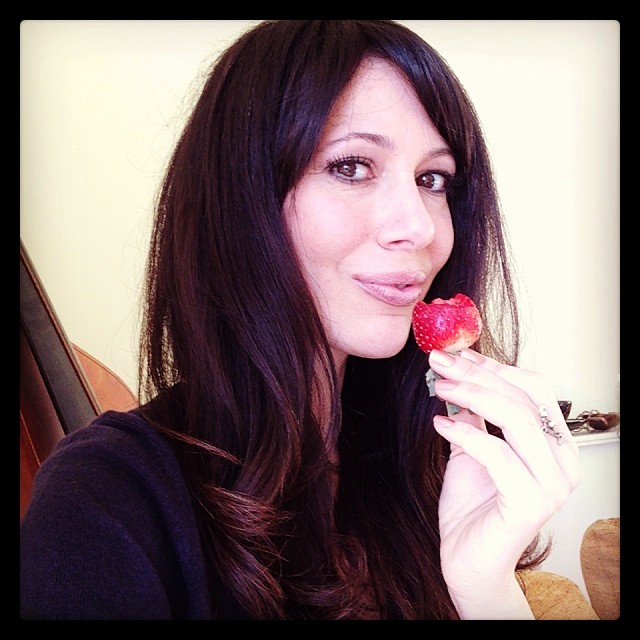
Or heard me jabbering excitedly to friends about an orange, two oranges, a box of strawberries, two and now raspberries! Yes, I’ve added the aforementioned foods as well as kiwis, cacao, pecans, walnuts and grapes back to my diet this year.
A lot of it just in the last few months.
How?
The five most important discoveries I’ve made on this latest stretch of my journey in 2013 sums it up:
I believe my stress level, chronically elevated since childhood, is almost 100% to blame for my mast cell/histamine disorder.
Mindfulness meditation is an antihistamine and a mast cell stabilizer [1] as well as a prostaglandin inhibitor [2]. It’s so powerful that it brought me back from the brink when I went into anaphylactic shock and had no meds on me [3].
I have identified the past events and behaviours that kept me mired in the illness mindset and no longer have ANYTHING to prove to anyone and so am ready to heal.
A glass of green juice a day is great for the body, but 1.5 liters/quarts is even better.
A balanced diet, comprising antihistamine and anti-inflammatory foods, as well as (high nutrient) higher histamine ones, make for a very healthy and happy me.
Having spent the last 20 years convincing people that it’s not all in my head, I have to admit, though it’s still not all in my head, I am responsible for letting this escalate to the point it has.
I mentioned last week that though I didn’t have a horrific childhood, I certainly suffered quite a bit of trauma: born in a war torn country, where I lived on and off for about eight years, growing up in a place devoid of soul, of beauty, art and true friendship; left alone at home for much of my childhood, when not in the company of my grandmother losing it with Alzheimer’s; a big brother/father figure whose elusive presence left a gaping wound with every departure.
Don’t even get me started on starting a new school in a brand new country (to me) every six to twelve months for most of my life. Moving schools, making new friends, feeling out new teachers and learning new languages became the norm, but things like having to shake my mom awake to try and convince her to walk me to school on a cold day, the stress of tearing down the streets, school bag flapping in our wake, only to endure the shame of receiving the tardy award of the year for most late arrivals, the fear of not knowing whether our phone line or electricity would be cut from day to day, the days of loaning my mom what I had in my piggy bank to pay said bills, and wondering why I was being driven to school in a piece of crap banged up Ford one day, and a BMW the next, definitely took its toll on my developing nervous system.
It’s gotta be a little crazy when an 11 year old questions the sanity of purchasing a beautiful 12 person sailboat when we can barely feed ourselves.
Welcome to my past. It’s a murky place that you really don’t want to mire yourself in.
I have a tendency to brush off my past stress. And that’s not healthy. Neither is wallowing in it, and allowing it to colour every single decision you make and every every single stressed out, hyperventilating, anxiety inducing, diaphragm suppressing moment of your life.
At some point the past is just that. It can no longer have any bearing on your present reality. I’ve known this for years and it’s been easy to convince myself that I had let most of it go:
I had a long cathartic talk with my mother many moons ago (at the urging of a shrink), I shrugged off the shame of being a loser/beach bum/party girl in my teens/20s by getting one of the most highly regarded jobs in the international television news business, and began the arduous task of learning how to manage my finances.
I had good reason to believe I had dealt with most of it, and yet I still found myself in the Madrid airport infirmary soon after moving to the states for university, attached to a heart rate monitor, with a doctor telling me I needed to calm down or I was going to have a heart attack. I’m now pretty sure it was anaphylaxis. I had been running through the airport, about to miss my flight, before being pulled aside and interrogated in a bomb-proofed room because of a Libyan stamp in my passport.
The monitor would begin its high pitched screeching every time the armed policemen came into see if they could resume questioning. Yes, this would be a stressful event for most.You’d think I would have learned since then to deal with my stress, and yet still I found myself running for a flight in Madrid airport 20 years later, about to have an asthma attack/mast cell meltdown because I was late for a plane.
I finally forced myself to slow down and accept that missing it wouldn’t be the end of the world, but if I kept running, I’d end up in a full on fukushima style meltdown. I’ve always been really bad at acknowledging that the world won’t in fact end if X were to happen. Maybe it’s because I’ve been in many, many life or death situations (not involving my health), but it doesn’t matter.
It stops here.
I’m not the only one to make the mast cell/histamine stress hormone link. Drs Theoharides, Castells and Escribano all speak of it. The mastocytosis/mast cell activation trigger sheet I was given upon diagnosis last year listed is as the second highest on the list, and everyone I’ve met online also acknowledges it.
I’ve been on the re-training the hyper aroused brain gravy train for some time now. I mentioned this year that I had come up with a number of meditations to kill the histamine itch and a particularly nasty reaction.
How does meditation work?
A recent study [4] specifically found that just eight hours of mindfulness meditation down regulates (dampens) HDAC and COX2 genes – meaning that mindfulness is an antihistamine and a mast cell stabiliser [5] as well as a prostaglandin inhibitor [6]. According to a conversation I had with Dr Castells (you can read some of it here), prostaglandins are the inflammatory mediators highly responsible for the dreaded brain fog we with histamine/mast cell issues are prone to and mast cell stabilisation means less histamine and inflammatory molecules being released into the body.
Having now dipped in and out of mindfulness meditation since the age of 18, I can honestly say that nothing I did in the past compares to what I’m doing now. No course I’ve taken allowed me to go as deep, to address my unique situation, in the way that I have in these last few months. As dedicated as I was to meditation before, hell, it brought me back from anaphylactic shock (read more here), I didn’t truly understand its power till reading about the incredible recoveries of others, most notably of New York Times reporter Donna Jackson Nakazawa’s recovery from paralysis [7]. I do still use the Silva Method I used when I was caught out in a deadly reaction with no meds (please please please do not try this, I had no alternative at the time).
The benefits:
I sleep more deeply and easily than ever before.
I’m no longer wound up as tight as a jack-in-the-box, ready to lash out in anger at the drop of a hat.
The adrenalin surges that have plagued me for most of my life just don’t happen anymore. At all. Simple things, like thinking about something I needed to do the next day (good or bad) would send waves of fear/excitement that would start my heart palpitating and make my brain feel funny. Kind of like when I stepped out into thin air when I went trapezing this summer – but over needing to go pay a bill the next day or talk to my landlord.
My heart rate is constant. No more all over the place fluttering and weirdness.
I’m more in touch with my surroundings and my body.
Something about meditation has allowed me to begin re-introducing foods at an incredible rate. I have my theories but need to confirm them with a few more experts before I write them up.
I’m not saying the ultimate goal of this meditation is to be able to eat strawberries or other high histamine foods, but rather to improve our stress response, which will hopefully allow us to better control our inflammation and to hopefully induce positive genetic changes, as recently shown in this wonderful study and others.
Being able to eat more normally, to me, is just a bonus of influencing inflammation on a genetic level.
Strawberries are just the icing on the cake (so to speak).
My yoga course will be released soon – it’s been the perfect complement to the meditation. Read all about that here or sign up to a specific mailing list here to be the first to grab your spot on this limited (online) attendance course – I’ll be pulling some names out of a hat to give away some free/discounted spots.
I absolutely do not recommend using meditation to try and re-introduce foods without the go-ahead of a doctor and certainly not in cases of allergy or severe reactions of any kind.
It’s finally here! Man Food – a high nutrient antihistamine and anti-inflammatory ingredient filled book geared towards guys, women who love to work out, yoga like they mean it, or just load up on healing nutrients. Features my personal shopping list of antihistamine and anti-inflammatory foods.
The Anti-cookbook and all liquid Anti-Detox Book, don’t treat any conditions, but feature a plethora of the high nutrient antihistamine and anti-inflammatory ingredients that have been instrumental in helping me feed myself on a limited diet. The Anti-cookbook features a six page list of antihistamine and anti-inflammatory foods and comes in regular and Paleo.
The Low Oxalate Cookbook features antihistamine and anti-inflammatory rich recipes.
Don’t miss the Low Histamine Beauty Survival Guide for non-toxic beauty tips, the skinny on histamine releasing (mast cell degranulating) beauty ingredients, antihistamine and anti-inflammatory beauty alternatives and the top brands natural brands I’ve found.
Please remember, even antihistamine and anti-inflammatory foods can hurt us, please always exercise caution and consult a medical practitioner before adding new foods.
Yes dear friends, it seems as though I’m winning the battle against my histamine intolerance/mast cell activation/whatchamacallit!
So I had to park myself outside Whole Foods in London for a juicy celebratory selfie. You’ll notice I’m mugging it up with my top ally in the battle against chronic illness – Mr Green.
Ok, now let’s rewind to earlier that day:
“The best medicine is zero medicine.”
Pearls of wisdom, from one of Europe’s most respected mast cell/mastocytosis specialists.
Thing is, it certainly wasn’t what I was expecting.
Having gone over my symptoms on file, Dr X asks what my main complaints are nowadays.
As they come out of my mouth, I realise they no longer sound impressive. I sense I’m losing him.
Wait, I tell you, I have symptoms! I gently plead, reeling off a sizable, scary list of former symptoms. Ones I struggled with as recently as July of last year.
I find myself feeling the need to justify that I do in fact have good reason to be sitting here in his office, taking up oxygen and precious time he’d undoubtedly prefer to be allotting to “real” patients – those with proven mastocytosis (rather than the still, in the UK, dubious histamine intolerance or mast cell activation).
But then, a doctor I had believed to be a bit of a stick in the mud, one so entrenched in procedure that he was almost famed for his reticence in diagnosing what’s still regarded with a gallon-sized dollop of scepticism as a non-diagnosis in most of the world, dropped the bomb.
My tests results show that I’m in even better health than last March, when I declared “I’m in the best health of my life” and that, ok, fine, my symptoms were horrific years ago, and that’s why I landed on his doorstep, but I’m flipping well healthy now, so keep doing what I’m doing!
Not only that, but hell yeah, I’ve managed to “cure” my soy allergy!!! YEAH!!!
And…my B12, D, calcium, liver & kidney profiles, WBC and RBC are excellent! Wooooo!
Once I finish my impromptu victory dance, we go on to discuss diet – yes can help, but a low allergenic one. The diet sheet he gives me looks like a SERIOUSLY unhealthy version of the Failsafe diet – NO fruit whatsoever, no fish or fresh herbs.
I asked if my recent (this year’s) efforts to manage my stress had anything to do with my incredible turnaround – yup, some of his colleagues propose that stress may in fact be the primary trigger of mast cell degranulation or cause of mast cell activation. Dr X points out that every human being experiences mast cell degranulation, and that some people just might be more sensitive to it, and thereby stressed out by the changes that occur in the body during it.
We go over how histamine shouldn’t be the entire focus (don’t I keep saying that?) – after all, inflammatory agent heparin is in mast cells too, and we mustn’t forget the prostaglandins and leukotrines which are synthesized once mast cells dump their load in the bloodstream.
I share that I already take mast cell stabilising mangosteen to address the prostaglandin issue – as I reported in a previous post, elevated prostaglandin D2 has been identified as a root cause of hair loss. I’m quite sure the mangosteen has played a HUGE part in helping resolve my catastrophic, soul destroying, hair loss.
He’s not familiar with the use of, or research on, mangosteen, quercetin or nigella(or he doesn’t let on he does). No surprise – docs know THEIR meds – what they prescribe on a daily basis.
As for the leukotrines – I was told they’re behind much of the respiratory symptoms. Leukotrines would be why some are prescribed Montelukast/Singulair.
Though I no longer suffer from respiratory symptoms, for my lovely readers, I shall do some digging to see what foods/supplements target these receptors specifically.
Although…as I’m typing this, something has occurred to me.
BRB.
Oh m’gosh.
It’s funny how after a while you develop an intuituon for these kind of things…seems that one of my favourites, H1 and H2 receptor antagonising nigella sativa oil is also a leukotrine inhibitor!
I’ll come up with some more and report back.
Despite the title of this post – I honestly believe that this isn’t a battle against mast cells or histamine. It’s a fight against my tendency to believe the worst about my health (thanks to decades of misdiagnosis and the disbelief of friends, family and doctors), against my need to control every single thing in my environment (which so easily expresses in terms of my illness), and my struggle with complacency in diet and lifestyle.
Believe me, none of this came naturally to me. My body had to literally break down for me to create this new lifestyle!
Dr X ended our appointment with: “Go out and live your life. Just keep doing what you’re doing, because it’s obviously working for you.”
Drs Joneja and Castells both said something similar (though I have only interviewed rather than consulted with them). You think I’d know that by now right? Thing is, this is my health we’re talking about here, and I’m constantly questioning whether I’m doing the right thing…
Whether others who may choose to do as I do will also experience this amazing abundance of health (at least in comparison to what we used to go through!) or end up hurting themselves.
If I’m doing my body any long term damage by not taking meds.
And more importantly, am I finally in good enough health to allow myself to believe that I am truly healthy? Or will life once again disappoint me?
I’ve found the nature of these disorders to be cyclical. My symptoms have waxed and waned over the years. But I’ve made myself a promise, as of today, rather than indulging in yet another round of obsessive self checking, picking apart every nerve impulse, contraction, blemish, I’m going to do my very best to go ahead and let go of the safety rail and reach out to grab life with both hands.
Don’t forget to sign up to my newsletterto be the first to know when registration opens up for webinars, histamine wellness retreats and workshops in Europe and the United States, to get great freebies like antihistamine and anti-inflammatory recipes and lifestyle tips.
The Anti-cookbook, while it doesn’t treat any conditions, due to its high nutrient, antihistamine and anti-inflammatory ingredients, has been instrumental in helping me feed myself on a limited diet. It features a six page list of antihistamine and anti-inflammatory foods. It comes in regular and Paleo.
The Low Oxalate Cookbookfeatures antihistamine and anti-inflammatory rich recipes.
Don’t miss the Low Histamine Beauty Survival Guidefor non-toxic beauty tips, the skinny on histamine releasing (mast cell degranulating) beauty ingredients, antihistamine and anti-inflammatory beauty alternatives and the top brands natural brands I’ve found.
If you’ve found this information useful I’d appreciate your support (at no extra cost to you!) – please check out my online store for your health foods, supplements, kitchen items and beauty product purchases. Affiliate sales through my online store go towards maintaining the website, funding travel to interviews and purchasing all the lovely foods for my free online recipes. You’ll find these items in the “Shop with us” drop down menu on my homepage.
Please don’t forget antihistamine, pain killing foods can still hurt us, so please always check with your doctor before adding new foods to your diet.
My Silva post a few weeks ago led to quite a few people asking for more details on how I used meditation to get me over the worst of my histamine reactions. Well, guess what? Last night was fairly unpleasant, well a little scary really, but I thought it would be a good time to finally show you what I’m talking about.
I was finding it difficult to breathe and was panicking because my throat seemed to be closing up (very rare for me) so the audio is a little uneven and I ramble a bit. My guess on how long the meditation lasted was totally off too – a good indication of how you lose sense of space and time when you’re in a deeply meditative state. My first guess was 5 minutes! But the meditation (the taped part anyway) was over 11 minutes! You just don’t notice time pass…it’s wonderful.
So here you go, my personal meditation, based around the Silva Method and others, to help me neutralise a bad histamine intolerance reaction/mast cell activation episode.
I was told stress can cause anaphylaxis, so calming down is a top priority. Please do not hesitate to call emergency or your doctor if you have a histamine reaction. I am not advocating the use of meditation over medication. Always be safe.
You can meditate while waiting for emergency services, while you administer an epi, while waiting for the doctor to arrive, while being treated with IV antihistamines. It’s not an either or situation.
Also please remember that my reactions subside quite quickly nowadays thanks to a year of intensive high nutrient antihistamine and anti-inflammatory foods and as such may be less intense than yours. Mine were horrific back in the day…
I’ll be sending out an MP3 version to my mailing list – please sign up here if you’d like a copy.
Meditation has changed my life. It has helped me manage my mast cell activation symptoms, bizarre reactions to chemicals, dampen an explosive temper and get over the fear of food, and it’s certainly not an exaggeration to say that I have meditation to thank for minimising my food intolerances/reactions to food. How? Most likely a region of my brain called the limbic system was somehow triggered to remain “on” following a particularly harrowing experience with food and has spent the next few years hyper-analysing every morsel for its potential to hurt me. That’s what I think anyway.
But, as I say over and over again to those with histamine intolerance – “it’s not about the food”. Focusing on the food rather than understanding the role of hormones, digestive enzymes, mast cell instability and the brain’s determination to detect and avoid things that make us ill or it perceives could kill us, is not to see the wood for the trees. So to exclusively focus on what food is having which effect on the body is likely creating a situation where the brain amplifies every tiny glitch into a monster symptom.
That’s where mediation comes in. Learning to manage the body’s flight or fight response to food, even the harmless triggers, in my case has involved seriously chilling out in the kitchen and at the dinner table. Letting go, understanding that I can’t, nor do I wish to, control every single thing about my diet and my environment, is what I decided I wanted out of mediation. And so I worked towards it. What I did learn to control however was my body’s response to (harmless) triggers. You certainly won’t find me arguing that commercial dishwashing liquid, make up or tap water is particularly safe – I’ve just accepted that the enormous effort it took to avoid all these things and more importantly tell people over and over again how sick I would get if I did was actually making me sicker. I was talking myself into an illness.
That’s where the Silva Method of meditation and healing comes in. For the last six months I have spent 15 minutes – 1 hr daily practising taking myself to a deep level of relaxation where I am able to kill my worst reactions and visualise myself not reacting to foods and chemicals. While there are many ways to meditate, it’s the one that allowed me to understand that I can go deep, really deep, and even control pain. I’ve used it for everything from getting rid of migraines, to stopping myself from passing out after vitamin B12 injections and even controlling minor reactions to food (which I am NOT endorsing – a minor reaction can turn deadly for many).
Given that I am always worried someone will get hurt following the path I have chosen for myself, I have till now not shared the event that changed my life. The one that gave me complete control over my condition. I want to make absolutely clear that what happened wasn’t the result of a choice, but rather being completely out of options.
Please do not try this at home. Do not try it without consulting a doctor. Just don’t try it ok? I could never forgive myself if something happened to you.
Ok, now you may read on.
The incident that changed everything…
Picture this:
Kenya, we travelled down a dirt road for 20 minutes to reach this beautiful house on the beach to have a party. Blaring music, drunken dancing (not me!). I have suddenly taking poorly. Not wanting to spoil the party by leaving, I try to chill on a sun lounger by the water’s edge. Suddenly wracked by waves of nausea, the dreaded “warm brain” I haven’t experienced in years, and a sudden out of body feeling; I decide that yakking my guts up on the impromptu dance floor might be more of a buzzkill, so with my heart about to jump out of my chest, I begin weaving my way up the path to the bedroom. A sideways glance at a mirror on the staircase frightens the life out of me.
Correction – it looks like the life has already been frightened out of me. My lips are snow white, my skin so pale it’s verging on translucence. I can no longer feel my fingers or toes and my brain/head has passed from warm to ice cold – which frightens me immensely. I clutch the bathroom sink as my lips pass from white to blue. My heart rate shoots up and as I debate my next move, suddenly a vortex opens at my feet, sucking the life force out of me, starting at my head, all the way down to my feet like one of those 3D sci-fi movies where you’re taken through a wormhole.
I take a brief time out from terror to assess my situation. I am alone and no one downstairs can hear me. We are at least an hour’s drive from a doctor and in any case no one is sober enough to drive me. A cartoon-like dimming of my vision is now in motion and I realise this is it – I am going to die. I’ve been here before, but this time there’s no hospital or competent doctor within reach.
I begin trying to make my peace with it, having collapsed into a ball on the floor. I tell myself that at least all this suffering will be over and that the person I love the most will finally have a “normal” life with someone who is healthy, someone to make him happy – when suddenly he appears at the doorway.
Not quite immediately realising what’s going on, thinking I’ve left the party in a huff, he comes over to take me in his arms, no doubt to convince me to come back down to the party.
“This is it,” I croak. “I’m dying.”
He suddenly scoops me up into his arms, propping me up from behind. I can feel my heart trying to match the perpetually chilled out beating of his; it’s enough to remind me that I’ve spent the last few months training for (not quite) this very moment.
And so I begin. 5, 4, 3, 2, 1. Breathe. I recall what the mastocytosis doctors in Spain told me. Stress is what gets you. Kill the stress. Lie down. Epi. I have no epi so killing the stress hormones is my only hope.
Suddenly determined, I tell myself I’m not going to die – I’m going to bliss out to the point where it can’t hurt me. I can’t bring my fingers together to trigger the deepest relaxation method I have been practicing, but still I 5, 4, 3, 2, 1. Breathe. Exhale.
I’m not going to die.
My man whispers lovingly into my ear. Reassurances that this will pass. Breathe. Exhale. Breathe again. It’s like walking. One step at a time. Remembering that it’s just one breath after the other till the path becomes clear. I visualise the room in front of me; each corner, the furniture – willing my eyes to see again. I know it’s not my eyes – it’s my brain. I switch to seeing a massive nuclear reactor style dial in my brain marked “shock” being turned from the danger zone back to 0.
Slowly the vision returns. I feel the strength and the calm of my man flowing through me and breathe in life. I visualise drawing my life force back into me.
Finally I’m able to lower myself onto the bed and pass out in complete exhaustion.
Now please remember, this is only my personal experience. I do not in any way advocate the use of meditation for something as serious as this situation. I literally had no options open to me, so I decided to focus on what I could control. The role of stress and mast cell release has been well documented in the work of National Institutes of Health funded researcher Dr Theoharides at Tufts, Boston.
You’ll find a collection of all liquid high nutrient antihistamine and anti-inflammatory rich recipes for days when my histamine bucket overflowed in the new Anti-Detox book.
The Anti-cookbook, while it doesn’t treat any conditions, due to its high nutrient, antihistamine and anti-inflammatory ingredients, has been instrumental in helping me feed myself on a limited diet. It features a six page list of antihistamine and anti-inflammatory foods. It comes in regular and Paleo.
The Low Oxalate Cookbookfeatures antihistamine and anti-inflammatory rich recipes.
Don’t miss the Low Histamine Beauty Survival Guidefor non-toxic beauty tips, the skinny on histamine releasing (mast cell degranulating) beauty ingredients, antihistamine and anti-inflammatory beauty alternatives and the top brands natural brands I’ve found.
If you’ve found this information useful I’d appreciate your support (at no extra cost to you!) – please check out my online store for your health foods, supplements, kitchen items and beauty product purchases. Affiliate sales through my online store go towards maintaining the website, funding travel to interviews and purchasing all the lovely foods for my free online recipes. You’ll find these items in the “Shop with us” drop down menu on my homepage.
Please don’t forget antihistamine, pain killing foods can still hurt us, so please always check with your doctor before adding new foods to your diet.
I recently blogged about my success in stopping my mast cell mediated histamine itch (see bottom of post) through a visualisation I came up with after reading Hay House bestselling author and Huffington Post contributor David R. Hamilton’s ‘How Your Mind Can Heal Your Body‘. He was kind enough to answer some questions about stress and histamine as he flitted between workshops in various countries.
About David Hamilton
After completing a PhD in organic chemistry, David Hamilton spent 4 years in the pharmaceutical industry developing drugs for cardiovascular disease and cancer. Now, author of 7 books published by Hay House, he travels the world giving talks and leading workshops that people to understand the link between their minds, their health, and their life. His most recent book is ‘Is Your Life Mapped Out?: Unravelling the Mystery of Destiny vs Free Will‘
The Chef – Now without discounting that people are suffering from a very real condition that is not psychosomatic – as most of us who have been through the psychiatric sausage factory approach to healing have been told – is it possible that stress is a contributing factor in the destabilisation of mast cells or inflammatory changes?
Hamilton – Yes, I would say so. Exactly how it works, I’m not sure has been nailed yet, but I’d hazard a guess that stress is a contributory factor. Stress can play a negative role in almost all serious diseases. Inflammation also plays a negative role in disease and a lot of inflammation is linked with stress. For example, the main protagonists in the genesis of cardiovascular disease are inflammation and free radicals. Stress raises levels of both. So we know that stress impacts inflammation.
The Chef – In your opinion, how do our expectations of the outcome of eating a certain food, applying a perceived toxic substance (perfume/bath product) to the skin, or the fear of anaphylaxis affect us – and can something as deadly as the most extreme allergic reaction (anaphylaxis) be a result of a negative thought chain/hyper stimulation of the amygdala? Studies have shown mast cell degranulation/histamine release/IgE response can be induced in a Pavlovian manner – by exposure to an allergen under certain conditions (lighting/music/smell). The reaction can then be triggered by staging the non-allergenic trigger of lighting/music/smell in the absence of the allergen.
Hamilton – This is an area I have always found fascinating. Yes, our expectations definitely have an effect. It’s called the ‘nocebo’ effect, which is the opposite of the placebo effect. Where the placebo effect can heal, the nocebo effect can harm. Some people can have allergic reactions out of fear or expectation, as some research has shown. I actually know of someone who did have a severe allergic reaction that was brought about by extreme fear, anxiety, and then expectation once he noticed symptoms begin, which would involve hyper stimulation of the amygdala. With him, it also resulted in a tipping point, presumably by upsetting brain chemistry, that resulted in 2 years of severe depression (depersonalization).
The positive side of all this is that if fear, anxiety, negative expectation can have such a harmful effect, then positivity, calmness, and positive expectation can have a positive effect. Inflammation, for instance, has been shown to reduce through a ‘loving kindness meditation’, which involves the cultivation of kindness and compassion. And compassion has also been linked with activity of the vagus nerve, which is the primary brake on inflammation, so here we can see a link between the cultivation of compassion and the reduction of inflammation via vagus nerve stimulation. The marker used in that particular study was Interleukin-6, but I’d hazard a guess that compassion would be impacting many more inflammatory cytokines. On a side-note, electrical stimulation of the vagus nerve has been shown experimentally to result in massive reductions in inflammation. I’m wondering if there’s any scope for researchers applying the technique to mast cell conditions, if it hasn’t already been done, that it. Worth checking out!
The Chef – What impact, if any, could mirroring have on mast cell conditions? ie the expectation that because a fellow sufferer has certain symptoms/reactions, you will have them too. If any, then what can we do about it?
Hamilton – Interesting question. It is very true that we unconsciously mirror people’s facial expressions and other muscle movements. It’s facilitated by the ‘Mirror Neuron System’ (MNS) in the brain. This feeds back into the brain so that we actually ‘catch’ the emotions of other people. It’s called ’emotional contagion’. It’s why we feel happy around happy people and anxious around those who are anxious. I’m not sure what effect this would have on mast cell conditions, to be honest. However, in the broader sense, if it’s expectation we’re talking about, seeing someone with symptoms/reactions and developing them too through mirroring, then the resulting expectations could, in theory, bring about allergic reactions in a nocebo effect fashion. Awareness is the key to stopping it. Being aware of your own thoughts, fears, and actions, being aware that you might just be mirroring, gives you a little more control because you realise that the changes are the result of your thinking. Awareness, at this point, lets you control your thinking.
The Chef – Beyond meditation, is there any merit to distraction? What’s the best way not to focus on how ill you feel when literally every inch of your body is in (perceived) distress?
Hamilton – A great way to distract that I recommend to people in a variety of different situations is ‘victory dancing’. It’s where you do a silly dance (to the best of your movement ability) that makes you smile and laugh. What’s happening is that instead of brain resources going towards the amygdala they move to the prefrontal cortex and other happy brain centres instead. This generates positive feelings and a greater sense that you can be in control of things. In time, with plenty of ‘dance’ practice, the brain will rewire and resources will ‘learn’ to go to ‘happy’ brain centres instead of towards the amygdala.
The Chef – Let’s say we’ve accepted that stress is a contributing factor, or just that we’re ready to use our mind to heal the body – where do we start?
Hamilton – First, find a practice that helps you relax a little. Some people find classical meditation works well, others find it hard to concentrate. I often recommend the ‘Loving-Kindness’ meditation because it also helps us cultivate relaxed, positive feelings and also neutralises a lot of the stress associated with other people. Basically, it involves cultivating a sense of love, kindness and compassion towards ourselves, loved ones, people who are neutral to us, and then to people who cause, or have caused us, stress or emotional pain. If you Google it you can find more precise instructions.
As well as this, people can use visualization techniques. The key here is to create an internal image (you don’t need to be a good visualizer and see in HD. We all imagine in our own ways) of the conditions. Ten people will come up with ten different images so there’s not actually a right or wrong way to do it. It’s an image or set of images that feel true for you, perhaps based on how you feel, intuition, or a description that a medical person has given you. This is your picture of ‘illness’. Then you convert it in your imagination to a picture of ‘wellness’. The secret is simply changing from illness into wellness. You can do it in any way you want, using tools, energy, light, just imagining forms changing….whatever you want, really, so long as you convert illness into wellness. And you do it over and over and over again, like every day, preferably a couple of times a day.
I highly recommend reading Dr. Hamilton’s book…it confirmed that I do play a part in my illness, but more importantly, in my recovery.
You’ll find the “killing the histamine itch” visualisation I came up with after reading Dr. Hamilton’s book here and you’ll find mast cell expert Dr. Theoharides’ research on stress induced mast cell degranulation (which releases histamine into the body) here.
The Anti-cookbook, while it doesn’t treat any conditions, due to its high nutrient, antihistamine and anti-inflammatory ingredients, has been instrumental in helping me feed myself on a limited diet. It features a six page list of antihistamine and anti-inflammatory foods. It comes in regular and Paleo.
The Low Oxalate Cookbook features antihistamine and anti-inflammatory rich recipes.
Don’t miss the Low Histamine Beauty Survival Guide for non-toxic beauty tips, the skinny on histamine releasing (mast cell degranulating) beauty ingredients, antihistamine and anti-inflammatory beauty alternatives and the top brands natural brands I’ve found.
If you’ve found this information useful I’d appreciate your support (at no extra cost to you!) – please check out my online store for your health foods, supplements, kitchen items and beauty product purchases. Affiliate sales through my online store go towards maintaining the website, funding travel to interviews and purchasing all the lovely foods for my free online recipes. You’ll find these items in the “Shop with us” drop down menu on my homepage.
Please don’t forget antihistamine, pain killing foods can still hurt us, so please always check with your doctor before adding new foods to your diet.
My Silva post a few weeks ago led to quite a few people asking for more details on how I used meditation to get me over the worst of my histamine reactions. Well, guess what? Last night was fairly unpleasant, well a little scary really, but I thought it would be a good time to finally show you what I’m talking about.
I was finding it difficult to breathe and was panicking because my throat seemed to be closing up (very rare for me) so the audio is a little uneven and I ramble a bit. My guess on how long the meditation lasted was totally off too – a good indication of how you lose sense of space and time when you’re in a deeply meditative state. My first guess was 5 minutes! But the meditation (the taped part anyway) was over 11 minutes! You just don’t notice time pass…it’s wonderful.
So here you go, my personal meditation, based around the Silva Method and others, to help me neutralise a bad histamine intolerance reaction/mast cell activation episode.
I was told stress can cause anaphylaxis, so calming down is a top priority. Please do not hesitate to call emergency or your doctor if you have a histamine reaction. I am not advocating the use of meditation over medication. Always be safe.
You can meditate while waiting for emergency services, while you administer an epi, while waiting for the doctor to arrive, while being treated with IV antihistamines. It’s not an either or situation.
Also please remember that my reactions subside quite quickly nowadays thanks to a year of intensive high nutrient antihistamine and anti-inflammatory foods and as such may be less intense than yours. Mine were horrific back in the day…
By listening to this Mp3 you agree that you understand that this meditation is not a treatment of any kind and should not be used as such. It is only an example of my own personal relaxation exercise.
LISTEN:
It’s finally here! Man Food – a high nutrient antihistamine and anti-inflammatory ingredient filled book geared towards guys, women who love to work out, yoga like they mean it, or just load up on healing nutrients. Features my personal shopping list of antihistamine and anti-inflammatory foods.
The Anti-cookbook and all liquid Anti-Detox Book, don’t treat any conditions, but feature a plethora of the high nutrient antihistamine and anti-inflammatory ingredients that have been instrumental in helping me feed myself on a limited diet. The Anti-cookbook features a six page list of antihistamine and anti-inflammatory foods and comes in regular and Paleo.
The Low Oxalate Cookbook features antihistamine and anti-inflammatory rich recipes.
Don’t miss the Low Histamine Beauty Survival Guide for non-toxic beauty tips, the skinny on histamine releasing (mast cell degranulating) beauty ingredients, antihistamine and anti-inflammatory beauty alternatives and the top brands natural brands I’ve found.
Please remember, even antihistamine and anti-inflammatory foods can hurt us, please always exercise caution and consult a medical practitioner before adding new foods.
GET STARTED HEALING HISTAMINE
WHAT YOU NEED TO KNOW ABOUT HISTAMINE DELIVERED TO YOUR INBOX