
AN INVISIBLE WAR
Dr. Oz calls inflammation an “invisible civil war raging in your body. Undetected it can cause heart attacks, stroke and cancer.” According to him, the problem begins when inflammation does not resolve following its role in healing an injury, causing your immune system to go haywire, turning your best friend into your worst enemy. This ties in to all my reading of this last year. Yes, inflammation is a serious concern when it unnecessarily stokes the immune system into over reacting to everything. Inflammation isn’t just dangerous to those of us with inflammation-induding histamine related disorders like histamine intolerance, histaminosis, mastocytosis and mast cell activation, it’s relevant to anyone with an interest in minimising their cancer, stroke and heart attack risk.
CONDITIONS LINKED TO INFLAMMATION
PRE-ECLAMPSIA – excessive maternal inflammatory response to pregnancy…(here’s a study on histamine in pregnancy)
And that’s where the low histamine diet comes in, at least for me. Histamine causes inflammation. Controlling its intake, especially when already dealing with a histamine-related issue, is a good first step, as is adding more anti-inflammatory foods to the diet. A word of caution here: just because something is anti-inflammatory doesn’t mean that you might not have a histamine reaction to it. We’re talking a straight up classic histamine/IgE mediate allergy or food intolerance here.
So, now you’re aware of why you need to be fighting inflammation, but what’s the best way to do it? I take a three pronged approach: diet (check out my low histamine cookbooks for recipes), supplements and lifestyle.
MY TOP ANTI-HISTAMINE & ANTI-INFLAMMATORY FOODS
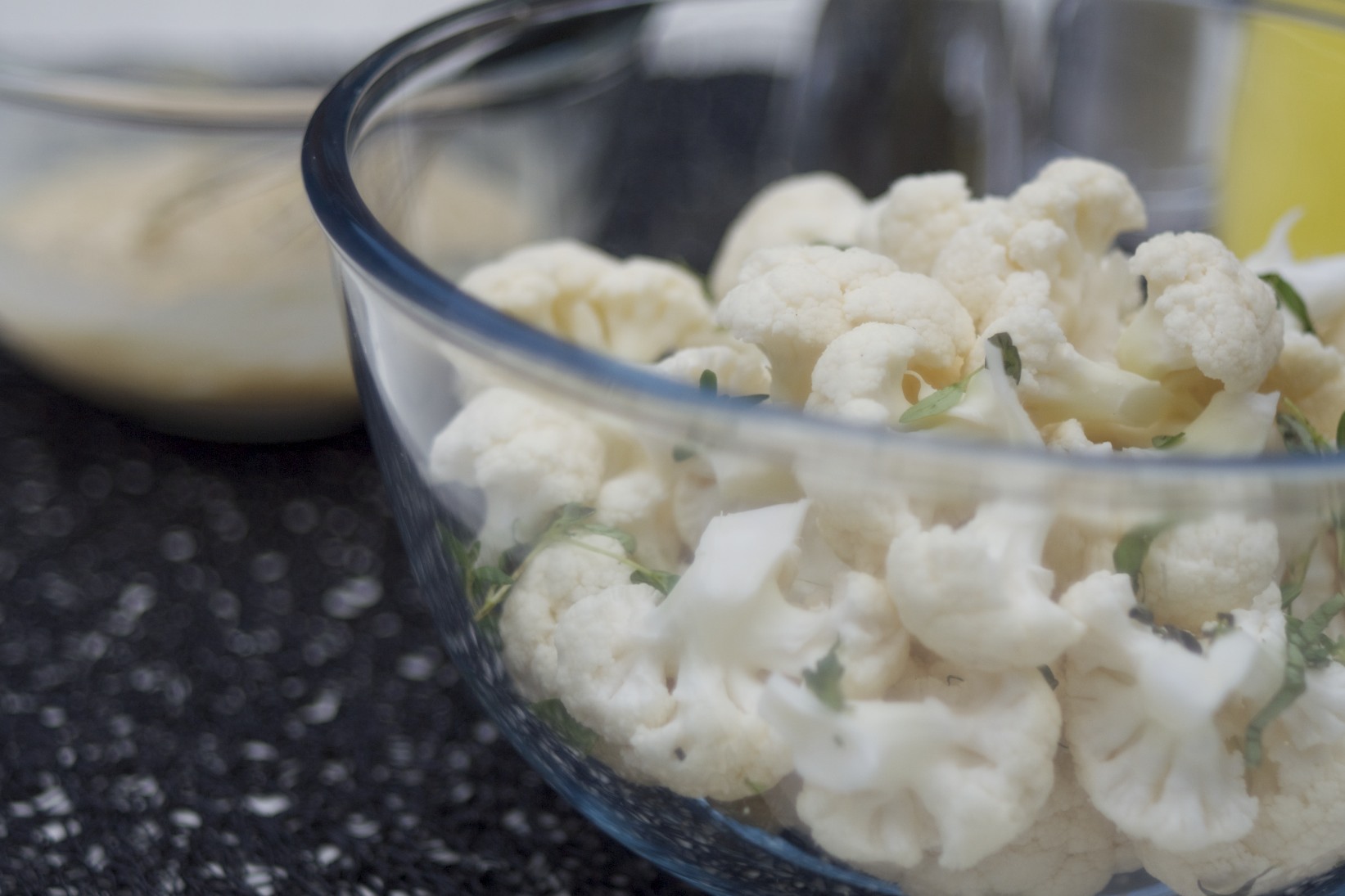
CAULIFLOWER – my favourite recipe.
Vitamin K status, as measured by plasma phylloquinone and phylloquinone intake, was significantly inversely associated with the overall inflammation index, which represented the sum of the normalized deviates of the individual markers. Secondary analyses of the individual markers demonstrated significant (p<0.01) associations with 5 of the 14 markers. A two-fold higher plasma phylloquinone concentration was associated with 15 percent lower CD40 ligand, three percent lower intracellular adhesion molecule-1, eight percent lower interleukin-6, four percent lower serum osteoprotegerin, and four percent lower tumor necrosis factor receptor-2 concentrations in multivariable-adjusted analyses. Usual dietary phylloquinone intake was also significantly (p=0.01) inversely associated with C-reactive protein, fibrinogen, interleukin-6, lipoprotein phospholipase A2 mass, myeloperoxidase, osteoprotegerin, and urinary isoprostanes.
Histamine release inhibitors in watercress (Nasturtium officinale) were isolated using a monitoring system with antigen-stimulated RBL-2H3 cells. Of the 15 compounds isolated, flavonols and megastigmanes significantly inhibited histamine release. Two flavonols, 3-O-sophorosides of rhamnetin and rhamnazin, were new compounds. To investigate the inhibitory mechanism, the effects of rhamnetin, rhamnetin 3-O-sophoroside and an isolated megastigmane glucoside on the increase in the intracellular free calcium concentration were examined at a concentration providing 60% inhibition of histamine release. The results suggest that these compounds did not affect the calcium influx at that concentration. The structure-activity relationships of the megastigmanes on histamine release were also investigated.
We examined the effect of a crude hot-water extract (HW) of quince (Cydonia oblonga Miller) fruit on type I allergy in vivo and in vitro. The oral administration of the quince HW-added diet to NC/Nga mice for 63 d showed a significant decrease in the development of atopic dermatitis-like skin lesions under conventional conditions. The concentration of IgE in the serum collected from mice fed with quince HW was also lowered in a dose-dependent manner. Moreover, we found that quince HW inhibited the release of beta-hexosaminidase from rat basophilic leukemia cell line RBL-2H3 after a 24-h treatment. The quince HW fraction of less than 3 kDa reduced the mRNA expression of the high-affinity IgE receptor (FcepsilonRI) gamma subunit. These results suggest that quince HW had an inhibitory effect on type I allergy by suppressing IgE production and IgE-mediated degranulation.
The human body is made of some 250 different cell types. From them, only a small subset of cell types is able to produce histamine. They include some neurons, enterochromaffin-like cells, gastrin-containing cells, mast cells, basophils, and monocytes/macrophages, among others. In spite of the reduced number of these histamine-producing cell types, they are involved in very different physiological processes. Their deregulation is related with many highly prevalent, as well as emergent and rare diseases, mainly those described as inflammation-dependent pathologies, including mastocytosis, basophilic leukemia, gastric ulcer, Crohn disease, and other inflammatory bowel diseases. Furthermore, oncogenic transformation switches some non-histamine-producing cells to a histamine producing phenotype. This is the case of melanoma, small cell lung carcinoma, and several types of neuroendocrine tumors. The bioactive compound epigallocatechin-3-gallate (EGCG), a major component of green tea, has been shown to target histamine-producing cells producing great alterations in their behavior, with relevant effects on their proliferative potential, as well as their adhesion, migration, and invasion potentials. In fact, EGCG has been shown to have potent anti-inflammatory, anti-tumoral, and anti-angiogenic effects and to be a potent inhibitor of the histamine-producing enzyme, histidine decarboxylase. Herein, we review the many specific effects of EGCG on concrete molecular targets of histamine-producing cells and discuss the relevance of these data to support the potential therapeutic interest of this compound to treat inflammation-dependent diseases.
Ethanolic extract of fruits of Coriandrum sativum, leaves of Datura stramonium and Azadirachta indica showed a significant (p<0.01) inhibition of carrageenan induced rat paw edema and the results are presented in table -2. The extract of C. sativum, D. stramonium and A. indica showed 40.81%, 39.43% and 46.47% edema inhibition respectively after third hour at 200 mg/kg dose. Maximum activity was found at 3.0 hr intervals with each dose. Among these plant Azadirachta indica showed maximum anti-inflammatory activity every hour. The inflammation induced by carrageenan is biphasic in nature. The initial phase of edema has been attributed to the release of histamine and serotonin; the edema maintaining during the plateaue phase, attribute to kinin like substances and the second accelerating phase of swelling is attributed to the release of prostaglandin [12, 13]. Since the extract of C. sativum, D. stramonium and A. indica inhibited the carrageenan induced edema that involves release of histamine and serotonin in the first phase; hence the inhibitory effect of the extracts could be partly due to inhibition of mast cell mediator release.
LIFESTYLE
Yoga and meditation help you fight inflammation.
SUPPLEMENTS
Dr. Theoharides’ Neuroprotek quercetin supplement is not only the cleanest, but also the most effective that I have come across in years. I will soon be selling it through my site, in the meantime please visit my good friend’s website to order.
You’ll find the Dr. Oz inflammation episode here.









Leave a Reply