
UPDATE: A number of you wrote to me after this was posted asking if quercetin, a natural antihistamine and mast cell stabliser used by myself and others with histamine intolerance and mast cell activation has the same negative effect on acetylcholine. Dr. Theoharides, who has spent decades researching mast cell disorders, creator of Neuroprotek quercetin supplement (from which he does not make a profit) says no, in fact it exerts a neuroprotective activity on the brain.
I’m going to keep this post brief. Not because it’s not worthy of lengthy discussion and debate, but because I feel that there’s a good amount of information on this blog and in my books about the dangers of antihistamines. You’ll find more on that in my post on Benadryl.
That does not mean we shouldn’t take them, just that we should be aware, so that side effects can be properly managed.
New research has come to light clearly linking over the counter hay fever pills like Benadryl (as well as a couple of antidepressants and bladder meds) to an up to 60% increase in the risk of developing Alzheimer’s [1]. It was first suggested in 1995 that a link between antihistamines and Alzheimer’s existed, when a study found that schizophrenics, who are prescribed a class of meds that are also anticholinergic, like these older generation antihistamines, had higher rates of Alzheimer’s. They concluded that: “Parsimony in the use of antihistamines thus appears to be warranted both for non-patients and schizophrenics pending the resolution of this issue…” [2]. I guess no one bothered to resolve it…
The findings of scientists at the University of Washington showed folks were at risk if they took at least 10mg a day of the antidepressant Doxepin (which I did for years) or 4mg a day of Benadryl for at least three years (which I did) were most in jeopardy.
They concluded that the elderly taking OTC Benadryl and Nytol should tell their doctors and stop taking them if they’re not needed. Hmm, ok, so the people most at risk of dementia symptoms should remember to tell their doctors.
The problem lies in these drugs being anticholinergics, which work by blocking acetylcholine, a chemical messenger that transmits electrical impulses between nerve cells.
The scientists tracked over 3,400 people aged 65 and over for seven years. 637 developed Alzheimer’s and 160 other types of dementia.
Most recently proton pump inhibitors (PPI) prescribed for heartburn and other gastric issues have also been linked to over a 40 percent increase in dementia in women over 75. In men the figure rises to an over 50 percent increase in risk. A senior author of the study was quoted in the New York Times saying that they haven’t proven that PPIs cause dementia, but rather that there’s a statistical association [2a].
I’m not telling people to stop meds. Nor am I trying to scare anyone. The UK’s National Health Service (NHS) points out that not all antihistamines are anticholinergics [2] and that no one should stop meds without telling their doctors, as well as pointing out flaws in the media coverage. We’re all adults and can make our own decisions. I took the aforementioned meds for well over a decade. Pretty much daily. They didn’t say in the study if it just triggers dementia in those who are predisposed to the condition (my genetic testing tells me I’m not carrying the Alzheimer’s gene), hopefully they’ll work that out at some point.
We also don’t know if the brain can recover from the damage if the meds are stopped at a young age (I’m no spring chicken though!). My reading into neuroplasticity tell me there’s hope, as does my research into meditation. Seems that mindfulness meditation causes an increase in serotonin, which has a knock on effect on dopamine, and these together have the effect of boosting acetylcholine in the brain [3].
This, finally, is some good news.
More good news.
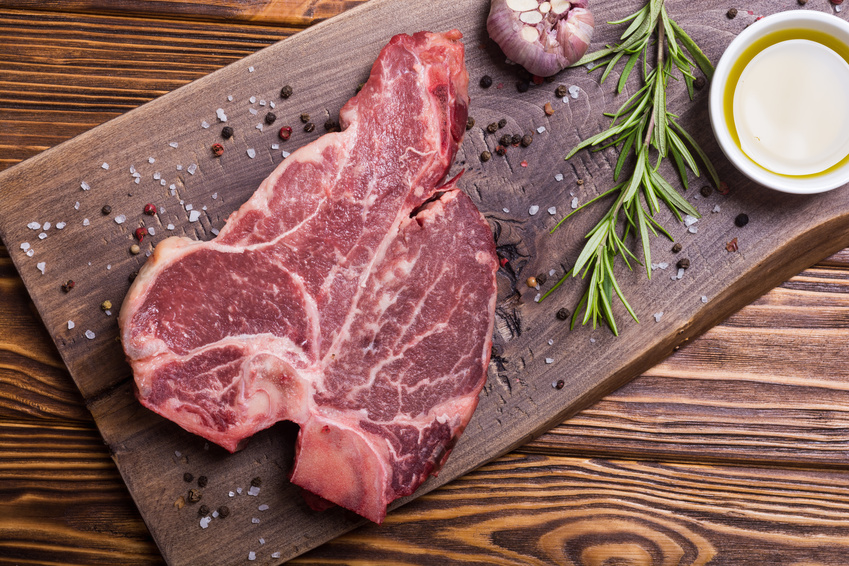
Choline, found in eggs, chicken, turkey, tuna, cod, salmon, beef and collared greens [4] , also boosts acetylcholine. I suggest using Nutrition Data’s [5] excellent nutrient search tool to find a good source of choline that you can tolerate.
That’s what you’ll find me doing this week! xo
The Anti-cookbook, while it doesn’t treat any conditions, due to its high nutrient, antihistamine and anti-inflammatory ingredients, has been instrumental in helping me feed myself on a limited diet. It features a six page list of antihistamine and anti-inflammatory foods. It comes in regular and Paleo.
The Low Oxalate Cookbook features antihistamine and anti-inflammatory rich recipes.
Don’t miss the Low Histamine Beauty Survival Guide for non-toxic beauty tips, the skinny on histamine releasing (mast cell degranulating) beauty ingredients, antihistamine and anti-inflammatory beauty alternatives and the top brands natural brands I’ve found.
Take a peek at my other low histamine and antihistamine cookbooks for more high nutrient recipes.
If you’ve found this information useful I’d appreciate your support (at no extra cost to you!) – please check out my online store for your health foods, supplements, kitchen items and beauty product purchases. Affiliate sales through my online store go towards maintaining the website, funding travel to interviews and purchasing all the lovely foods for my free online recipes. You’ll find these items in the “Shop with us” drop down menu on my homepage.
Please don’t forget antihistamine, pain killing foods can still hurt us, so please always check with your doctor before adding new foods to your diet.
———- REFERENCES ———-
[1] http://sop.washington.edu/higher-dementia-risk-linked-use-common-drugs/
[2] http://www.ncbi.nlm.nih.gov/pubmed/7776901
[2a] http://well.blogs.nytimes.com/2016/02/17/heartburn-drugs-tied-to-dementia-risk/?_r=0
[3] http://www.nhs.uk/news/2015/01January/Pages/media-dementia-scare-about-common-drugs.aspx)
[4] http://www.cogsci.ucsd.edu/~pineda/COGS175/readings/Newberg.pdf
[5] http://www.whfoods.com/genpage.php?tname=nutrient&dbid=50









Leave a Reply