That depends on which list you follow. Histamine in foods varies depending on: the country grown in, whether pesticides were used, climate, transportation, ripeness when picked, how long on the supermarket shelf, bacterial contamination. In particular the level varies in flesh. The reason for which is that bacteria release histamine (and other amines) as the flesh decomposes. The freezing and thawing and re-freezing in particular that occurs in the typical farm to supermarket cycle leads to high histamine levels in food. For fish: how long since it was fished, how it was handled, if it was frozen and then thawed at any point, if it’s contaminated etc. Beef is generally hung for at least two weeks to tenderize the meat. This accounts for the high levels of histamine in the flesh. Some methods of slaughter, including halal (Muslim), do not involve long hanging times, and as such may be fresher.
I have a list I was given by my practitioner (now retired). For legal reasons I am not allowed to share it, but all my recipe books are based on this list.
And finally – your reaction to a food may vary from day to day depending on how high your histamine is that day. Some days just adding a smidge of histamine into an almost overflowing bucket can tip you over the edge.
Update: nowadays I wish I hadn’t tried so hard to play histamine detective. In the end I believe it became counter productive, causing my amygdala to become hypersensitised and give me a fear of food. Read all about that here.
My decade (plus) as a journalist for CNN and the BBC definitely prepared me to deal with a pesky nuisance like my histamine disorder (be it histamine intolerance or whatever). When faced with a seemingly insurmountable problem – I just take a step back and figure out how the hell to make it work. There is no “can’t” in my vocabulary. Be it chartering private helicopters to airlift equipment, bribing ship captains to let us stow away, or finagleling team visas to Libya on two hours notice (in the Gaddafi years!) – I’ve done it all. So there’s no way I’m letting something like food (or illness) rule my life. I’ve outlined my approach to histamine/inflammation detoxing in my ebook the Anti-Detox – usually employing it before a big client presentation (this histamine chef thing is a side project for me) or when having to fly out to hot climates like Kenya, Morocco, and Egypt, all this last year.
Heat, as you may know, causes mast cells to degranulate, releasing their precious histamine cargo right into your bloodstream. There’s nothing like quite like turning beet red and blowing up into the Michelin man the minute you step off a plane to make you appreciate a good low histamine detox before traveling.
Now I’m going to cover what I believe to be one of the key secrets of successful low histamine living. It sounds so very basic that you may initially laugh: you need to know what food or cosmetic is causing which reaction. Simple right? But I can’t tell you how many emails I receive asking for diet analysis. I don’t mind doing it, but it must be so frustrating living a life where every little thing could be causing distress and there’s no way to figure out what’s what. I’m greatly indebted to Dr Fuhrman’s teachings on this one, as I figured out what was wrong with me initially after going on a three-day water fast. For crystal clear clarity there’s nothing quite like starting with as clean a slate as possible. Nowadays, I don’t do water fasts as any kind of stress can cause mast cells to release histamine – and I‘ve learned the hard way that kicking your body into survival mode definitely isn’t relaxing. The next best thing is the overnight semi fast (sleep!)…
I’ve been getting a lot of questions about my top hot beverages…
As you can see from my picture here, the detox is going great! Ok, busted, that’s not me in the picture! But as you can see from plenty others on the site – I’m not looking too shabby!
My natural antihistamine beverages…
Valerian root
Valerian extracts may have direct inhibitory effects on the contractility of the human uterus and this justifies the traditional use of this plant in the treatment of uterine cramping associated with dysmenorrhoea….Valerian extract reduced the maximal contractile response induced by acetylcholine, phenylephrine and histamine [1].
When I was high histamine it was literally impossible to sleep. I would be up for days at a time. Very handy when I was a journalist working in war zones, but not so great when I have a 9am meeting to go through someone’s digital strategy. Generally when people tell me they’re very low histamine I ask how their sleep is. It’s a great indicator of how you’re doing diet-wise. I’m not discounting stress, but we know that also causes mast cell degranulation too!
Now while the studies I read on valerian took great pains to stress that it’s not a hypnotic which knocks you into sleep, it’s an anxiolytic that reduces stress, helping you drop off. Ever wondered why antihistamines make you sleepy? There are a number of reasons – among them is that histamine controls your cicadian rythm/wakefulness hormones, so taking an anti-histamine would naturally make you fall asleep. Given that we know antihistamines make us fat and can cause toxicity syndrome, exploring natural antihistamine herbs could help lull you to sleep.
Please do remember that many of us with histamine issues don’t do great with herbs and that they thin the blood, but I still find these herbs a great substitute for my once ubiquitous nightly glass of red wine. I find that the best way to get a good night’s sleep is to not eat too late.
Olive Leaf tea
Yet another traditional ayurvedic treatment. Olive leaf tea has been shown to exhibit “significant mast stabilizing activity”.
“According to Ayurveda, Olea europea is used in treatment of leprosy, dysentery, vaginal and uterine complaints, inflammation,burning sensation, fatigue, asthma, leucoderma etc. In the present study the histamine induced dose dependent contraction of goat tracheal chain and guinea pig ileum preparation was significantly inhibited (p< 0.01) by the aqueous extract of leaves of Olea europea (800 ug/ml and 100 ug/ml). Olea europea at the doses of 100and 200 mg/kg,i.p.,exhibited significant (p< 0.01) mast cell stabilizing activity against clonidine induced peritoneal mast cell degranulation in rats. Thus the present study revealed that the extract of olives of Olea europea has significant antihistaminic (H1 receptor antagonist) activity.” [2]
Green/White tea
I was told I could drink up to two green teas daily, because they would help lower my histamine level. Thing is, too much caffeine can aggravate symptoms, as can pretty much any dried herb. So I just dunk the bag a couple of times and then toss it.
The bioactive compound epigallocatechin-3-gallate (EGCG), a major component of green tea, has been shown to target histamine-producing cells producing great alterations in their behavior, with relevant effects on their proliferative potential, as well as their adhesion, migration, and invasion potentials. In fact, EGCG has been shown to have potent anti-inflammatory, anti-tumoral, and anti-angiogenic effects and to be a potent inhibitor of the histamine-producing enzyme, histidine decarboxylase [3].
I have actually found that I do better with white tea, which is basically the same, just unfermented, but I have now cut all caffeine out of my diet (I just don’t need it anymore).
Guava leaf tea
I’m really loving this stuff. Not for the taste really, but because guava leaf tea has been proven to inhibit mast cell degranulation (histamine release) in rats. I seem to tolerate it much better than the fruit itself.
Holy Basil tea
I’m not a big fan of aniseed/licorice. But this tea rocks my world! As I mentioned in my post “Holy basil! Anti-inflammatory and antihistamine superstar” – holy basil is as effective as Zantac/Rantidine at treating gastrointestinal upset. You can also find green tea/holy basil blends.
You’ll find a collection of all liquid high nutrient antihistamine and anti-inflammatory rich recipes for days when my histamine bucket overflowed in the new Anti-Detox book.
The Anti-cookbook, while it doesn’t treat any conditions, due to its high nutrient, antihistamine and anti-inflammatory ingredients, has been instrumental in helping me feed myself on a limited diet. It features a six page list of antihistamine and anti-inflammatory foods. It comes in regular and Paleo.
The Low Oxalate Cookbookfeatures antihistamine and anti-inflammatory rich recipes.
Don’t miss the Low Histamine Beauty Survival Guidefor non-toxic beauty tips, the skinny on histamine releasing (mast cell degranulating) beauty ingredients, antihistamine and anti-inflammatory beauty alternatives and the top brands natural brands I’ve found.
If you’ve found this information useful I’d appreciate your support (at no extra cost to you!) – please check out my online store for your health foods, supplements, kitchen items and beauty product purchases. Affiliate sales through my online store go towards maintaining the website, funding travel to interviews and purchasing all the lovely foods for my free online recipes. You’ll find these items in the “Shop with us” drop down menu on my homepage.
Please don’t forget antihistamine, pain killing foods can still hurt us, so please always check with your doctor before adding new foods to your diet.
I’ve just had my blood work done. Not only will your test results tell you it’s safe to embark on a high nutrient low histamine diet, checking in with your doc is a must before changing something as crucial as your diet. Lay out your plans for the next few weeks and ask for his blessing. When you bring back your test results to him, he’ll have to eat a number of his words. I usually like to squeeze an “well if you manage to do that through diet I’ll eat your test results.”
It has happened.
Honest.
Not that they actually went through with it, but for them eating their words is just as hard.
DETOX YOUR KITCHEN
I’m blessed to live with a man who is as healthy an eater as I am. More so even. Luckily he loves my tasty low histamine food – when I’m whipping up new recipes for the low histamine recipes books or blog anyways. Otherwise I’ll sometimes just skip real food and brew up whatever’s in the fridge, zap it in the blender and call it soup! Here’s the thing. I wasn’t always able to live with marmalade or gingerbread cookies lurking in the cupboard. The idea of Ben and Jerry’s languishing in the freezer, unattended, forlorn, made it impossible for me to sleep without a midnight skulk into the kitchen for “one last” spoon, till not a scraping was to be had.
At that point I just said “Stop the insanity.” Yes, I watched a lot of 80s informercials and lusted after Susan Powter’s incredible charisma! But that’s what I did. I cleared out EVERYTHING that was on the high histamine lists. Nothing remained but a pack of rye crackers, two measly carrots and a shaker of himalayan sea salt.
STOP LUSTING
The supermarket was my next challenge. I found myself lingering in the naughty aisles, having nervous breakdowns over whether I should take home a box of chocolate chip oatmeal cookies. After all, they were the first brand in over a year (compulsive label reader right here) that didn’t have soy (which I’m allergic to). But I was in TOTAL denial. Really, the minute amount of soy lecithin in those cookies was the least of my worries. For despite being organic, sugar was the first ingredient on the list (meaning it’s the main ingredient), and white sugar makes me degranulate faster than a bag of demerara being attacked by cannabinoid receptor testing rodents.
The answer was simple. Yes I could have the cookies as long as I was prepared to spend the next few days in a histamine induced coma, hugging the toilet like my long lost war buddy. Eventually I was not ok with that. So now I order my groceries online. I have a regular low histamine shopping list and I run out for fresh foods or get an organic seasonal box delivered right to my door. I do still love going to the supermarket, and occasionally bad stuff still does happen, but now my poison is usually dried mango, olive oil rice crackers, or other such tasty treats. It’s funny how taste buds adapt so quickly…
FIND YOUR CRACK
Ok, I’ll say it. Histamine is addictive. That’s why it’s so hard to say goodbye to the foods we know hurt us. Our bodies tremble with desire, every neuron in our brain cries out, feed me histamine! It’s funny how the foods we crave the most are usually the most harmful. I ate soy sauce obsessively at almost every meal, for years, till finding out that I was allergic to it. How about that. It would make me tremble, making it almost impossible to work the chopsticks I insisted on using at almost every meal. You try picking up cornflakes with those suckers, I was almost there. Yup that’s how devoted I was to the ‘sticks.
I started small, choosing 10 high histamine foods that I knew would make a huge difference in my quality of life. They were soy products – and believe me I was tempted to split them up: tamari, shoyu, edamame, tofu etc – but I managed to restrain myself, shellfish, processed foods, canned foods, leftovers, tomato paste, white sugar, chocolate, balsamic vinegar. I saved the rest for another day. This whole journey I’ve found that setting myself small, realistic goals helps me feel a sense of acheivement and excitement on this path.
CUT OUT THE CUTTING
If I knew then what I know now…darn it I would have healed a hell of a lot faster! Cut cut cut was all I did. I needed some nutrients in my low histamine life, but I was just too scared to add anything new. What I wasn’t taking into consideration was that my body was running out of ammo. It desperately needed reinforcements but I was too clueless to know how. The histamine-lowering diamine oxidase enzyme doesn’t just make itself you know. DAO requires a steady supply of nutrients.
In the last three years I have learned so very much about natural antihistamines and the role of inflammation in histamine disorders. I’ve been steadily adding natural antihistamines to my diet. Fresh thyme, oregano, holy basil, sweet basil, coriander, parsley, peppermint, mint, sweet potato, butternut squash, chickpeas, lentils. Ok, so some of them bothered me a little, especially when I introduced them, but in the long run I kept the ones my immune system finally accepted, and just kept the other ones on a long rotation. I’ve tried to add more foods from the part of the world that I’m from – the idea being that I was born with enzymes for those foods – and it’s definitely working. Before you go running out to buy a sackful of Big Macs, let me just add that I mean indiginous, natural foods.
In total I decided to add five new, antihistamine and anti-inflammatory foods to my diet.
One of the most important steps I took in the cutting and re-nutritioning phase was to track my diet. I’m talking nutrients, calories, moods and symptoms. The best tool I’ve found for this is www.fitday.com. You can add your moods/reactions in the journal section. This diary proved invaluable in my recovery. See I’ve not only eliminated high histamine foods, but also anything that has really bothered me. I can’t tell you the relief nowadays that I can consult my diary and see that rye causes bloating, which in turn causes UTI/IC symptoms, which drive me up the freaking wall. See, thing is, there’s a lot to keep track of. And despite my seemingly reletntless work ethic and encyclopedic medicinal herb reference of a brain, I can’t remember everything. I might stop eating rye for a few months, then eat it every few days for a week and then freak out trying to work out why on earth I’m running to pee every five minutes. Now I just look it up, and order is restored in my universe. It sounds exhausting, but you know what, so is not knowing that the hell is wrong with you and then spending weeks suffering and chasing your tail. Organisation is the way to do it! I’ve found that setting up a few basic processes helps me lead a normal life. Well, as normal as it’s gonna get!
The diary/nutrient count allowed me to write up a plan of which nutrients I needed to get back into my diet. I then held onto this list till the second week…
So that’s my round up of all the logical stuff I did in week one of my detox. Next up will be a list of my hardcore meal choices for the week!
Don’t forget to check out the low histamine cookbooks for more information on food preparation and plenty of recipes.
I’m not just going for a catchy headline here – turns out that valerian root is not only a powerful anxiolytic (natural chill out pill) overall, it’s also an antihistamine which helps with menstrual cramps. I mean seriously, the study is actually called:
Relaxing effects of Valeriana officinalis extracts on isolated human non-pregnant uterine muscle.
Valerian extracts may have direct inhibitory effects on the contractility of the human uterus and this justifies the traditional use of this plant in the treatment of uterine cramping associated with dysmenorrhoea….Valerian extract reduced the maximal contractile response induced by acetylcholine, phenylephrine and histamine…Read the full study here.
Told ya I wasn’t making it up! When I was high histamine it was literally impossible to sleep. I would be up for days at a time. Very handy when I was a journalist working in war zones, but not so great when I have a 9am meeting to go through someone’s digital strategy. Generally when people tell me they’re very low histamine I ask how their sleep is. It’s a great indicator of how you’re doing diet-wise. I’m not discounting stress, but we know that also causes mast cell degranulation too!
Now while the studies I read on valerian took great pains to stress that it’s not a hypnotic which knocks you into sleep, it’s an anxiolytic that reduces stress, helping you drop off. Ever wondered why antihistamines make you sleepy? There are a number of reasons – among them is that histamine controls your cicadian rythm/wakefulness hormones, so taking an anti-histamine would naturally make you fall asleep. Given that we know antihistamines make us fat and can cause toxicity syndrome, exploring natural antihistamine herbs could help lull you to sleep.
Please do remember that many of us with histamine issues don’t do great with herbs and that they thin the blood, but I still find these herbs a great substitute for my once ubiquitous nightly glass of red wine. I brew mine into a tea and try a sip. If my nose doesn’t stuff up then I go for it. I’ll be posting my findings over the next few days as I round up the rest of my research. I find that the best way to get a good night’s sleep is to stay low histamine and not eat too late. The not eating late thing is pretty obvious – I like to let the histamine unleash its worst before I’m getting ready for bed. I also try to do a little (very) light relaxation yoga where I pretty much just hang out upside down for about 30 minutes…
If you’re looking for low histamine inspiration, don’t forget to check out my low histamine recipe books.
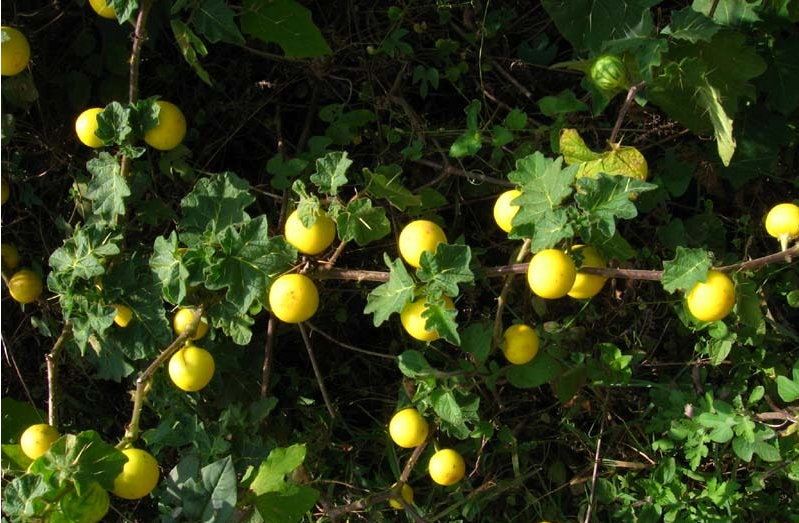
Here’s an interesting headline for you: nightshade flower as effective a mast cell stabiliser as commonly prescribed sodium cromoglycate. This definitely brought a smile to my face, given that most of us in the allergic world only have to hear the word nightshade to run a mile in the opposite direction. It also confirmed that some foods we’re told are bad for histamine related conditions, may have benefits that far outweigh the modest amount of histamine they release. Unless you’re allergic to them!
AS EFFECTIVE AS COMMONLY PRESCRIBED MAST CELL STABILISER/ANTIHISTAMINE
A lot of people ask me how I’ve got from total histamine intolerance breakdown to where I am. While I do believe my recovery is still a work in progress, I thought I’d share how a combination of militant food planning, 30 minutes of inflammation fighting yoga and daily chanting (OM!) have allowed me to reach a far better place than I have ever been.
Thanks to my years studying nutrition (unofficially) through the teachings of Drs Fuhrman, Weil, Oz and others, I was well aware my new low histamine diet had the potential to be unhealthy and counter-productive, if applied strictly, and blindly.
To acknowledge something and to implement it are two very different things. It took me a while to get my sea legs. I floundered around for some time, terrified to add new foods or even entertain the idea of being proactive in my recovery. But I knew I had to take action when I began to approach meal time with fear and hatred, focusing on the food rather than the state of my broken body and mind. I was now eating the same five foods every single day, usually in large amounts, not understanding why I wasn’t “recovering”.
Do you spend hours roaming the supermarket in search of a quick meal? Are you bored with eating the same five foods over and over? Would you like to whip up nutritious, low histamine recipes in 20 minutes (or less)? Then make sure you’re signed up to my newsletter for an exclusive 10% discount on the 60+ page Low Histamine ‘On the Go’ Cookbook!
The Low Histamine ‘On the Go’ Cookbook takes you on a whirlwind tour of Vietnam, Lebanon, Italy and India, via the good ol’ US of A. Eating healthy’s NEVER tasted so good, or this easy.
WHO AM I?
YASMINA YKELENSTAM – THE LOW HISTAMINE CHEF
The fridge and fields are my medicine cabinet. I’ve managed to withdraw from all pharmaceuticals including: anti-histamines, anti-anxiety meds, antidepressants, migraine, nausea, and dizziness meds. I’m now the happiest and healthiest I’ve ever been. I’ve learned to harness the positives that high histamine bestows (appetite suppression, higher metabolism, energy) and make them work for me!
Who the hell am I to give dietary advice? My cookbooks reflect the incredible amount of research into histamine and other biogenic amines in food that I’ve obsessively collected over the last two years since my histamine intolerance diagnosis. As a former journalist with over 10 years research and international news production experience for 60 Minutes, CNN and the BBC, I know how important the facts are. Not only do I back up each claim on my site with numerous studies, I’ve even used myself as a guinea pig, taking myself from washed up medical mystery to successful 21st century businesswoman.
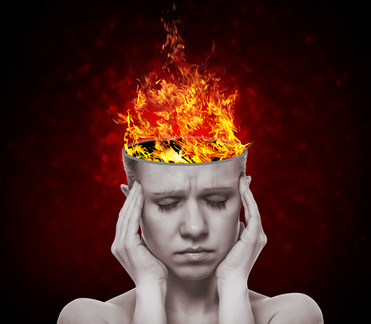
I suffered daily migraines for many years. At some point I finally came to the conclusion that my headaches, which made me bang my head against the wall on occasion, had something to do with my diet. I was vindicated by the person who diagnosed me with histamine intolerance in London, and now by the growing number of studies clearly spelling out the allergy/histamine migraine link.
I cannot even begin to properly thank my lucky stars for curing me of this blight. I was about six weeks into the low histamine diet when I was able to trash the 600mg ibuprofen that I had been scarfing daily by the handful for most of my adult life. Not to mention the migraine injections. Youch! You truly haven’t experienced hell till you’ve had a constant migraine for six months.
Interestingly, in Spain (and France), it’s commonly acknowledged that migraines are caused by a lack of the histamine-lowering enzyme diamine oxidase (DAO). Seems that the US and UK are way behind the curve on this one.
But histamine can also cause migraine in “healthy” people:
Headache can be induced dose-dependently by histamine in healthy persons as well as in patients with migraine (53, 61). Histamine-induced headache is a vascular headache caused mainly by nitrate monoxide (62). Histamine releases endothelial nitrate monoxide upon stimulation of H1R, which is also expressed in the large intracranial arteries (63). In migraine patients, plasma histamine concentrations have been shown to be elevated both during headache attacks and during symptom-free periods. An increase in the number of brain mast cells is associated with pathologic conditions such as migraine, cluster headache, and multiple sclerosis (64). Many migraine patients have histamine intolerance evidenced by reduced DAO activity, triggering of headache by food rich in histamine (eg, long-ripened cheese or wine), and the alleviation of headache (ie, disappearance of symptoms) under a histamine-free diet (57, 65) and therapy with antihistamines (66). Maintz and Novak.
Meanwhile, for those of us presenting with histamine intolerance, histaminosis, mastocytosis or mast cell disorders…
This study colludes that: “Thus, the avoidance of allergic conditions in migraine patients may be a simple, helpful way for prophylaxis or their treatment.”
Although migraine affects about 15% of population and many studies have been performed to find the mechanism and a successful management, the physiopathology of migraine is still largely unknown. The possibility of an immunoglobulin E (IgE)-mediated allergic mechanism and the role of histamine remain controversial. The aim of the present study was to evaluate serum total IgE and histamine levels in migraine patients and the influence of allergy on them. Seventy patients (18-58 years) with migraine without aura were divided into two groups according to their history of allergy (60% with and 40% without allergy). Serum samples were collected during fasting without allowing any premedication during the two periods of attack and remission. There was a control group containing 45 healthy volunteers. Serum total IgE and histamine levels were measured by enzyme-linked immunosorbent assay and fluorimetric methods, respectively. Mean and standard errors of serum histamine (ng/ml) and total IgE (IU/ml) levels were found in the control group to be 48.16 +/- 2.70 and 38.31 +/- 3.20, in the migraine with allergy group 159.11 +/- 4.60 and 303.30 +/- 42.50 and in the migraine without allergy group 105.01 +/- 8.50 and 79.07 +/- 2.70, respectively. Total IgE levels in migraine with allergy group were found to be significantly (P < 0.0001) above that in the control and another group, suggesting an influence of an IgE-mediated mechanism on migraine. Although the plasma histamine levels, which were significantly elevated (P < 0.0001) in patients with migraine, both during headache and symptom-free periods, when compared with the control group, indicate that there is an increased susceptibility to histamine in allergic conditions, this molecule has also an unrelated role in migraine. The relationship between allergy and migraine can be based, in part, on an IgE-mediated mechanism, and histamine release plays an important role. Thus, the avoidance of allergic conditions in migraine patients may be a simple, helpful way for prophylaxis or their treatment.
Has a low histamine or tyramine diet helped your migraines? As always, I’d love to hear from you and don’t forget to check out my diamine oxidase boosting recipes.
You’ll find a collection of all liquid high nutrient antihistamine and anti-inflammatory rich recipes for days when my histamine bucket overflowed in the new Anti-Detox book.
The Anti-cookbook, while it doesn’t treat any conditions, due to its high nutrient, antihistamine and anti-inflammatory ingredients, has been instrumental in helping me feed myself on a limited diet. It features a six page list of antihistamine and anti-inflammatory foods. It comes in regular and Paleo.
The Low Oxalate Cookbook features antihistamine and anti-inflammatory rich recipes.
Don’t miss the Low Histamine Beauty Survival Guide for non-toxic beauty tips, the skinny on histamine releasing (mast cell degranulating) beauty ingredients, antihistamine and anti-inflammatory beauty alternatives and the top brands natural brands I’ve found.
If you’ve found this information useful I’d appreciate your support (at no extra cost to you!) – please check out my online store for your health foods, supplements, kitchen items and beauty product purchases. Affiliate sales through my online store go towards maintaining the website, funding travel to interviews and purchasing all the lovely foods for my free online recipes. You’ll find these items in the “Shop with us” drop down menu on my homepage.
Please don’t forget antihistamine, pain killing foods can still hurt us, so please always check with your doctor before adding new foods to your diet.
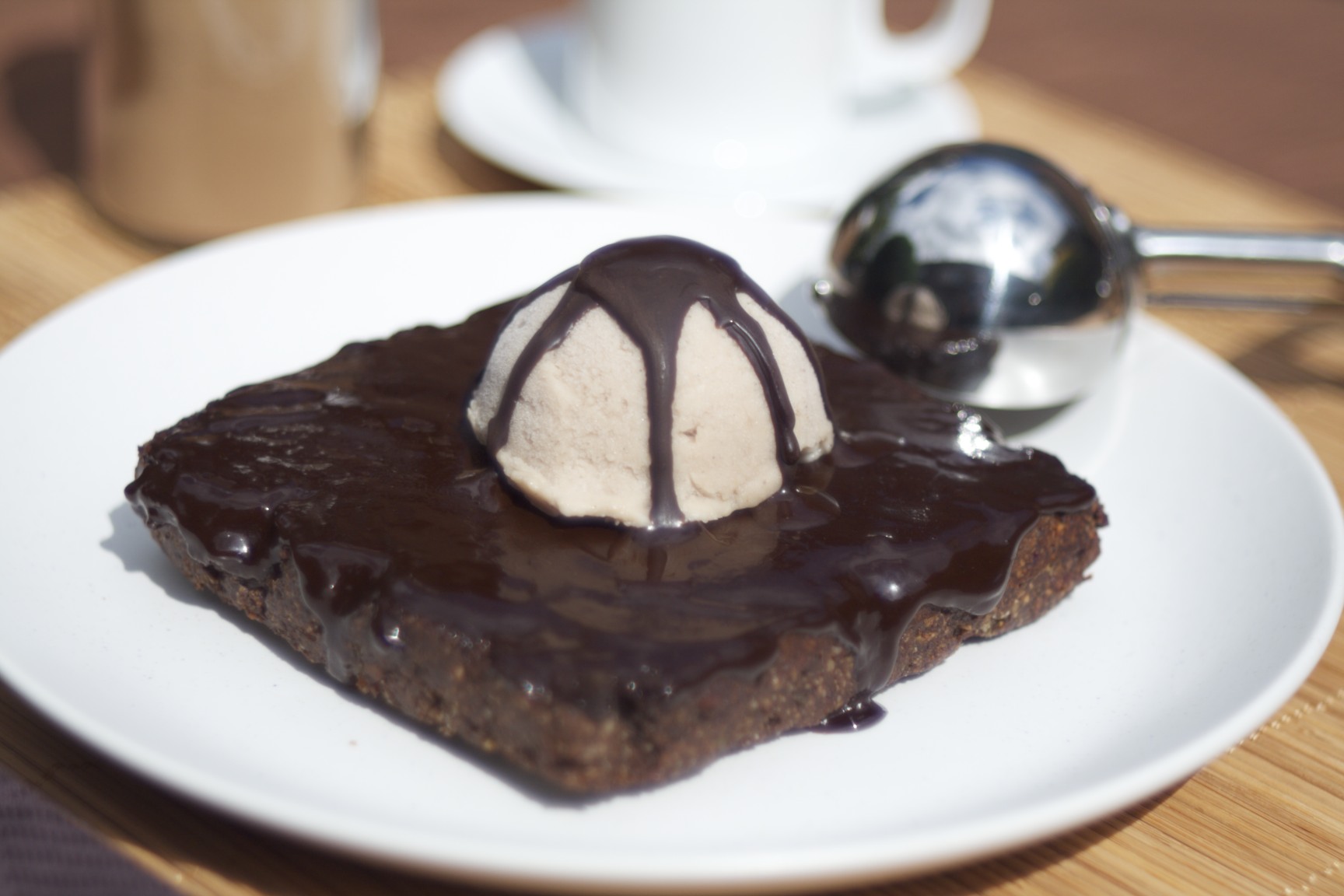
Low Histamine Brownie from The Low Histamine Dessert Book
What recipe would you absolutely love to have low histamine-i-fied? Had a good think?
Please post your requests on the Facebook Page and I’ll pick one to adapt. Keep in mind I’m not a miracle worker but I’m confident that I can whip up something low histamine and nutritious in its stead.
No major junk food requests please, unless you’re ready for a seriously healthy alternative…I obviously don’t consider dessert junk!
GET STARTED HEALING HISTAMINE
WHAT YOU NEED TO KNOW ABOUT HISTAMINE DELIVERED TO YOUR INBOX