Category: Supplements

  • Best Probiotics for Histamine Intolerance

    Best Probiotics for Histamine Intolerance

    Probiotics can be a touchy subject when it comes to histamine intolerance and mast cell disorders. After all, bacteria are the problem, right? Well, it depends what type we’re talking about. Certain strains of probiotics can actually be really helpful in healing histamine intolerance, but you have to know your source, your substrate, and your actual strain, not just species. Read on to learn what to look for.

    STRAIN SPECIFICITY (DO YOU KNOW YOUR BUG?)

    First of all, it’s important to know the difference between strain and species when it comes to probiotics. A lot of people use the word “strain” when they actually mean “species” and this is causing a lot of confusion.

    As an example, Lactobacillus rhamnosus. “Lactobacillus” is the genus. “Rhamnosus” is the species. The strain is unknown (not listed). You can find Lactobacillus rhamnosus GR-1, Lactobacillus rhamnosus (or L. rhamnosus) LRB, L. rhamnosus GG, and more. It’s these letters and numbers that come after that species that designate the strain. And they don’t all have the same effects.

    In fact, different strains of the same species of bacteria can have opposite effects. You never know when one strain could promote histamine while the other lowers it. So, it’s important to know your strain. This concept is known as “strain specificity” and you can read more about how strains are named in this post.

    I absolutely do not recommend adding in a probiotic during the elimination diet phase, nor when things are generally unstable. It can be like pouring gasoline on a fire. Everything will be amazing for the first few days/week, and then it’ll hit. 

    SUBSTRATE

    It’s also important to know what the probiotic was grown on, for example, dairy. If dairy is an issue for you, you’re going to want to make sure you’ve got a dairy-free probiotic.

    SOURCE/BRAND

    The brand of probiotic can make a huge difference for those of us who tend to have overactive immune systems. If you find a probiotic that is made up of just one strain, L. rhamnosus GG, but this particular brand likes to add fillers and colors, you might be in big trouble — even if you do tolerate the strain. You could be dealing with dairy- or corn-based fillers, titanium dioxide, and a whole lot more. Always check the label for other ingredients, just to be on the safe side.

    BIFIDOBACTERIUM LONGUM BB536 + BIFIDOBACTERIUM INFANTIS 35624

    Bifidobacterium longum BB536 was studied alongside Bifidobacterium infantis 35624 to investigate its ability to block histamine. This probiotic mixture, called Lac-B, was found to significantly suppress allergic type symptoms and decrease histamine levels. It also suppressed the expression of the genes for histamine 1 receptors and histidine decarboxylase, which would otherwise form histamine from the amino acid, histidine. In another study, Bifidobacterium infantis 35624 also had a strong anti-inflammatory effect throughout the body.

    LACTOBACILLUS REUTERI MM53

    Reuteri MM53 (otherwise known as DSM 17938, ATCC 55730, and SD 2112) is an H2 histamine blocker and helps with symptoms of GERD/acid reflux. Lactobacillus reuteri causes histidine to convert to histamine, but this particular histamine raises cAMP (a good thing), and kills inflammation This study finally backs up the assertion that not all histamine is bad and as such should not be entirely eliminated from the diet.

    This all goes hand in hand with what I’ve been saying for years: the focus should be on health as a whole, rather than lowering or avoiding histamine. We need to support the immune system, lower inflammation, and heal the gut.
    LACTOBACILLUS SAKEI PROBIO 65

    Sakei Probio 65 is the probiotic found in the Korean fermented cabbage condiment/side dish, kimchi. L. Sakei Probio 65 can inhibit IgE (the stuff involved in allergies) and interleukins (involved in mast cell disorders and inflammation generally), and it shows promise in treating atopic dermatitis caused by IgE mediated histamine release. You can get this in a bulk powder online.

    LACTOBACILLUS RHAMNOSUS GG

    L. rhamnosus GG is one of the most researched strains out there, and it’s a strong mast cell stabiliser. You’re probably seen the commercial probiotic, Culturelle, which features this strain. L. rhamnosus is often used in Inflammatory Bowel Disease (IBD) and allergic diseases, including atopic eczema.

    This probiotic (and a few others) down-regulates the IgE and Histamine 4 receptor while also up-regulating anti-inflammatory agents like (IL)-8. So it basically turns down the dial on two important allergy/mast cell histamine receptors, while enhancing the activity of anti-inflammatory agents.

    I read a study published in the Journal of Allergy and Clinical Immunology which discussed the importance of the microbiota (gut bacteria) in ongoing “immune homeostasis.” The authors found that activation of the H2 histamine receptor is “associated with potent immunoregulatory effects”. The study authors found that the anti-inflammatory effects of the histamine-secreting L. Rhamnosus were down to its stimulation of the aforementioned receptor.  

    LACTOBACILLUS CASEI SHIROTA

    Casei Shirota is a strain discovered in Japan. It’s another mast cell stabiliser and it’s been shown to lower inflammation caused by seasonal allergies. There are actually over 200 human studies using this particular strain. You can find this strain in a little yogurt beverage called Yakult, but it’s dairy-based.

    RESTORE

    While not actually a probiotic, this combination of trace minerals has been proven in studies to tighten the T junctions of the stomach barrier that keeps food particles and bacteria contained.

    SEEKING HEALTH

    Many of the probiotics from Seeking Health by Dr. Ben Lynch, especially the new Probiota X, are histamine friendly. With the latter specifically developed with us in mind.

    I have yet to find a supplement that doesn’t bother me after a few days, so I boost my good bacteria by eating fiber prebiotic foods like the ones I use in my 28 Day Histamine Reset.

    ——REFERENCES——

    Dev, S., et al. (2008). Suppression of histamine signaling by probiotic Lac-B: a possible mechanism of its anti-allergic effect. Journal of Pharmacological Sciences,107(2), 159-66. Epub 2008 Jun 5. https://www.ncbi.nlm.nih.gov/pubmed/18544899

    Ferstl R et al. (2014). Histamine receptor 2 is a key influence in immune responses to intestinal histamine-secreting microbes. The Journal of Allergy Clinical Immunology.134(3), 744-746.e3. doi: 10.1016/j.jaci.2014.04.034. Epub 2014 Jun 20.

    Groeger, D., O’Mahony, L., Murphy, E. F., Bourke, J. F., Dinan, T. G., Kiely, B., … Quigley, E. M. M. (2013). Bifidobacterium infantis 35624 modulates host inflammatory processes beyond the gut. Gut Microbes, 4(4), 325–339. http://doi.org/10.4161/gmic.25487

    Hemarajata, P., Spinler, J., Balderas, M., & Versalovic, J. (2014). Identification of a Proton-Chloride Antiporter (EriC) by Himar1 Transposon Mutagenesis in Lactobacillus reuteri and Its Role in Histamine Production. Antonie van Leeuwenhoek, 105(3), 579–592. http://doi.org/10.1007/s10482-014-0113-8

    Indrio, F. et al. (2011). Lactobacillus reuteri accelerates gastric emptying and improves regurgitation in infants. European Journal of Clinical Investigation. 41(4), 417-22. doi: 10.1111/j.1365-2362.2010.02425.x. Epub 2010 Nov 26. https://www.ncbi.nlm.nih.gov/pubmed/21114493

    Ivory, K., Chambers, S. J., Pin, C., Prieto, E., Arqués, J. L., & Nicoletti, C. (2008). Oral delivery of Lactobacillus casei Shirota modifies allergen-induced immune responses in allergic rhinitis. Clinical and Experimental Allergy, 38(8), 1282-9. doi: 10.1111/j.1365-2222.2008.03025.x. Epub 2008 May 28.

    Meijerink, M. et al. (2012). Immunomodulatory effects of potential probiotics in a mouse peanut sensitization model. FEMS Immunology and Medical Microbiology, 65(3), 488-96. doi: 10.1111/j.1574-695X.2012.00981.x. Epub 2012 May 24.

    Oksaharju, A., Kankainen, M., Kekkonen, R. A., Lindstedt, K. A., Kovanen, P. T., Korpela, R., Miettinen, M. (2011). Probiotic Lactobacillus rhamnosus downregulates FCER1 and HRH4 expression in human mast cells. World Journal of Gastroenterology, 17(6):750-9.

    Shida, K.; Takahashi, E.; Iwadate, E.; Takamizawa, K.; Yasui, H.; Sato, T.; Habu, S.; Hachimura, S.; Kaminogawa, S. (2002). Lactobacillus casei strain Shirota suppresses serum immunoglobulin E and immunoglobulin G1 responses and systemic anaphylaxis in a food allergy model. Clinical and Experimental Allergy 32, 563–570.

    Spiller, R. (2008), Review article: probiotics and prebiotics in irritable bowel syndrome. Alimentary Pharmacology & Therapeutics, 28: 385-396. doi:10.1111/j.1365-2036.2008.03750.x
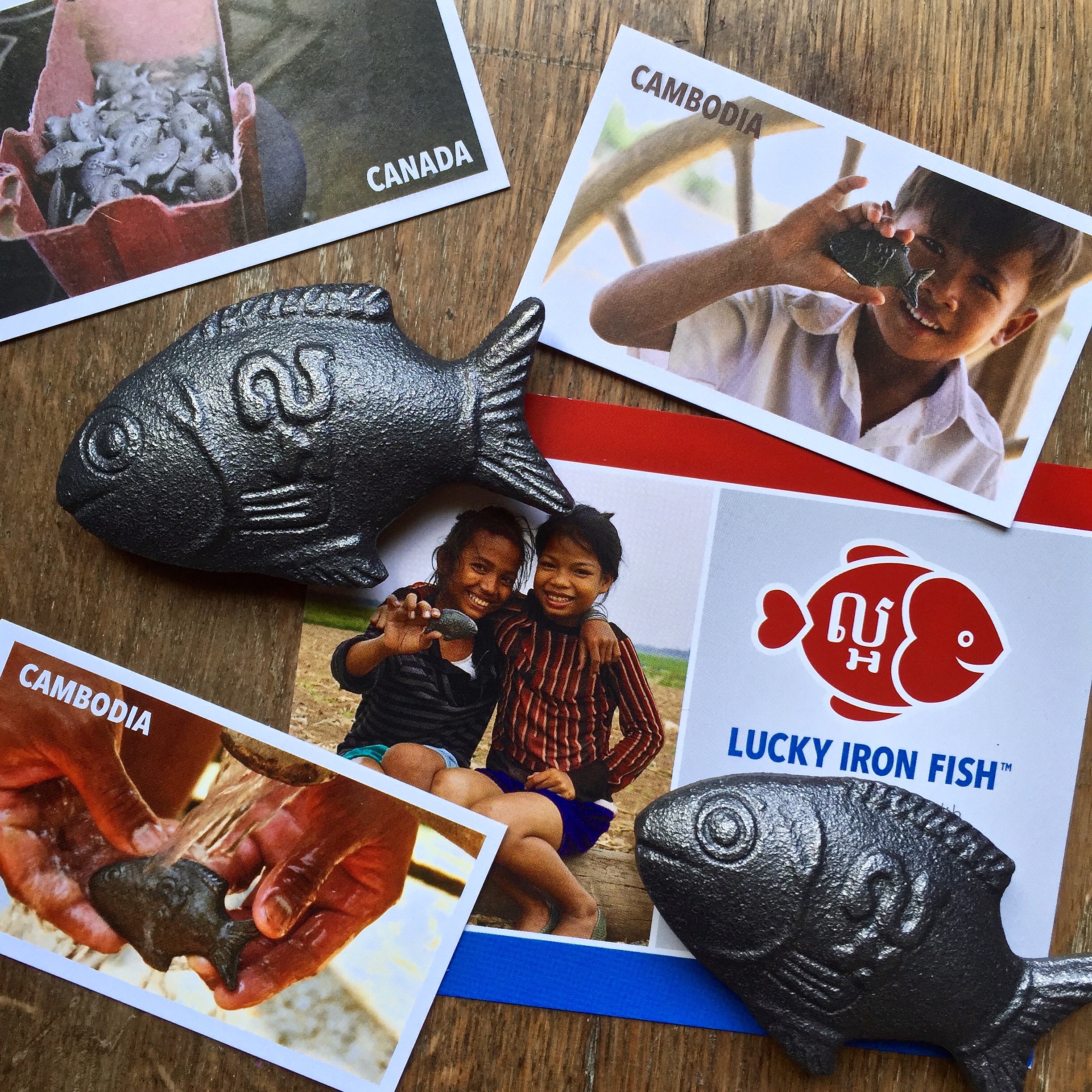
  • 75% RDA iron from a fish?

    75% RDA iron from a fish?

    FullSizeRender

    I recently posted a photo of a cast iron pan on Instagram, sharing that it’s one of the ways I boost my meagre iron supply; something I learned from Dr. Fuhrman, author of my nutritional bible, “Eat to Live.”. According to an emerging body of research iron accumulation may contribute to diabetes, ageing, strokes, Alzheimer’s and Parkinson’s [1].

    On top of all that, even if I wanted to I probably wouldn’t have been able to tolerate the supplement. So many of us with histamine intolerance and mast cell activation don’t do well with supplements of all kinds, even ones we desperately need (in which case, as long as the tests prove it, I take anyway). But lugging a cast iron pan half way around the world on my travels is a bit of a bother, as is carrying Spatone iron rich water (airport security really seems to love those), whose aluminium interior packaging always worried me slightly; but in the end it was the case of the lesser of evils…

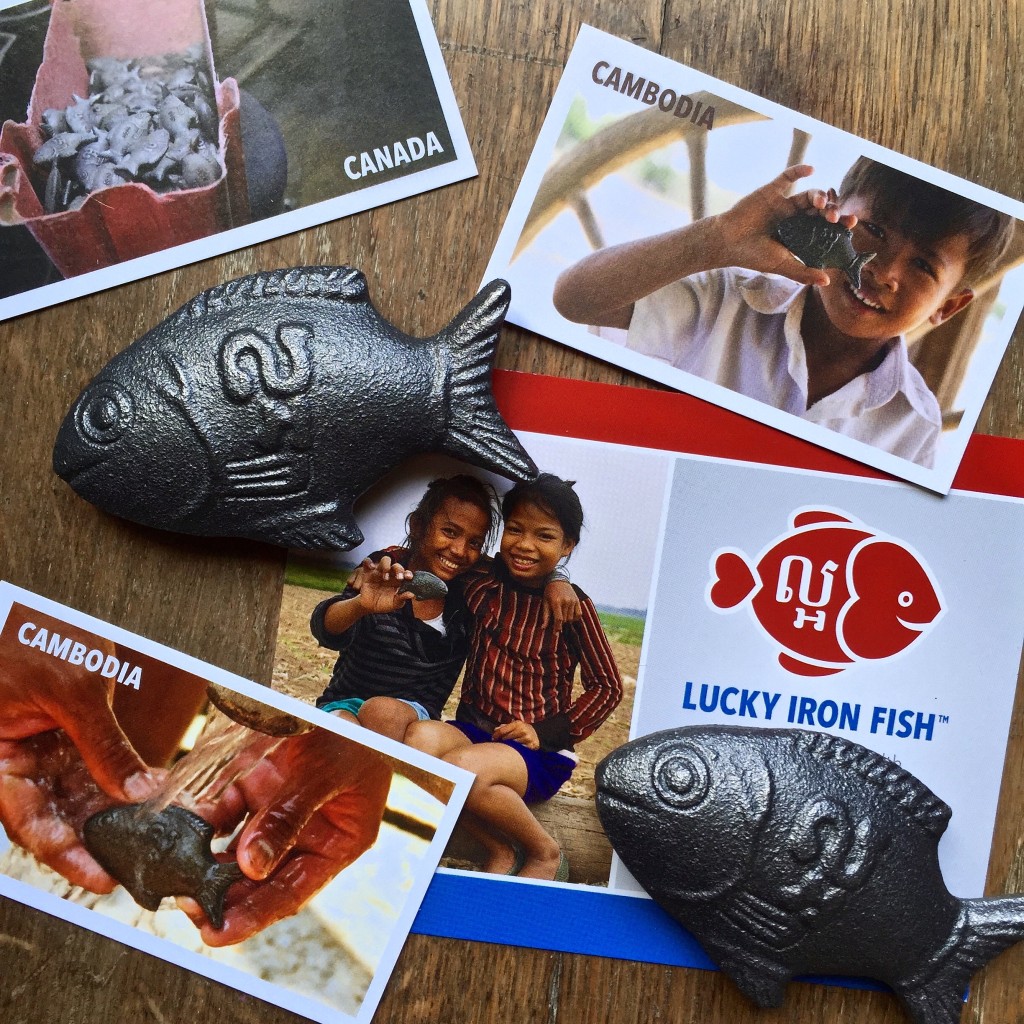
    So I was super excited when a reader introduced me to the Lucky Iron Fish.

    I do not have any kind of affiliate deal with the company and this is not a paid post – just sharing something cool I’ve tried and loved! 

    You’ll find recipes full of foods with antihistamine and anti-inflammatory properties my books Anti-Recipes and The Anti-Cookbook

    CLICK HERE TO CREATE YOUR OWN PERSONALISED HEALING HISTAMINE PLAN. 

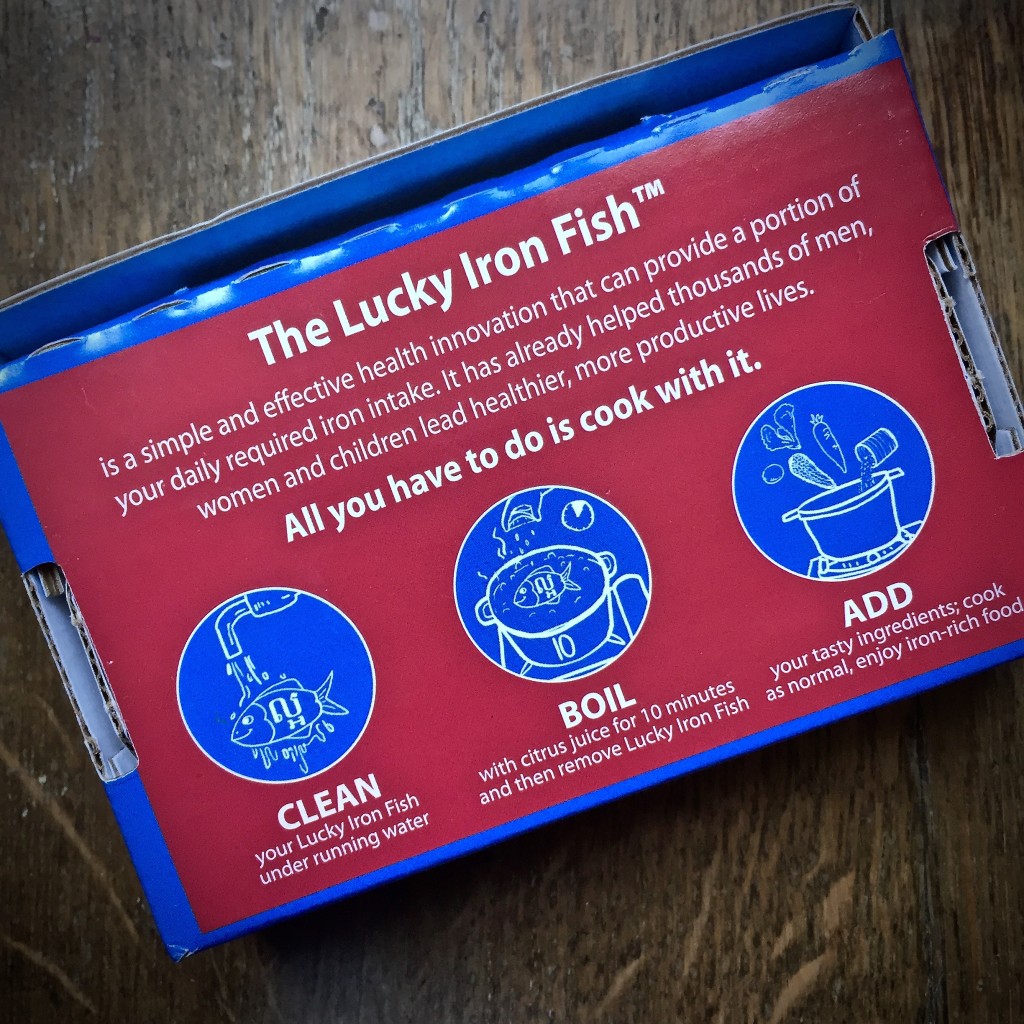
    Created by a Canadian company, these little natural ferrous iron fish fit comfortably in the palm of the hand and can simply be plopped into any pot of food that has some liquid and something acidic (like lemon) in it, to release the iron, and boil for 10 mins. Or make your own iron rich water by boiling and cooling to drink.

    IMG_5721

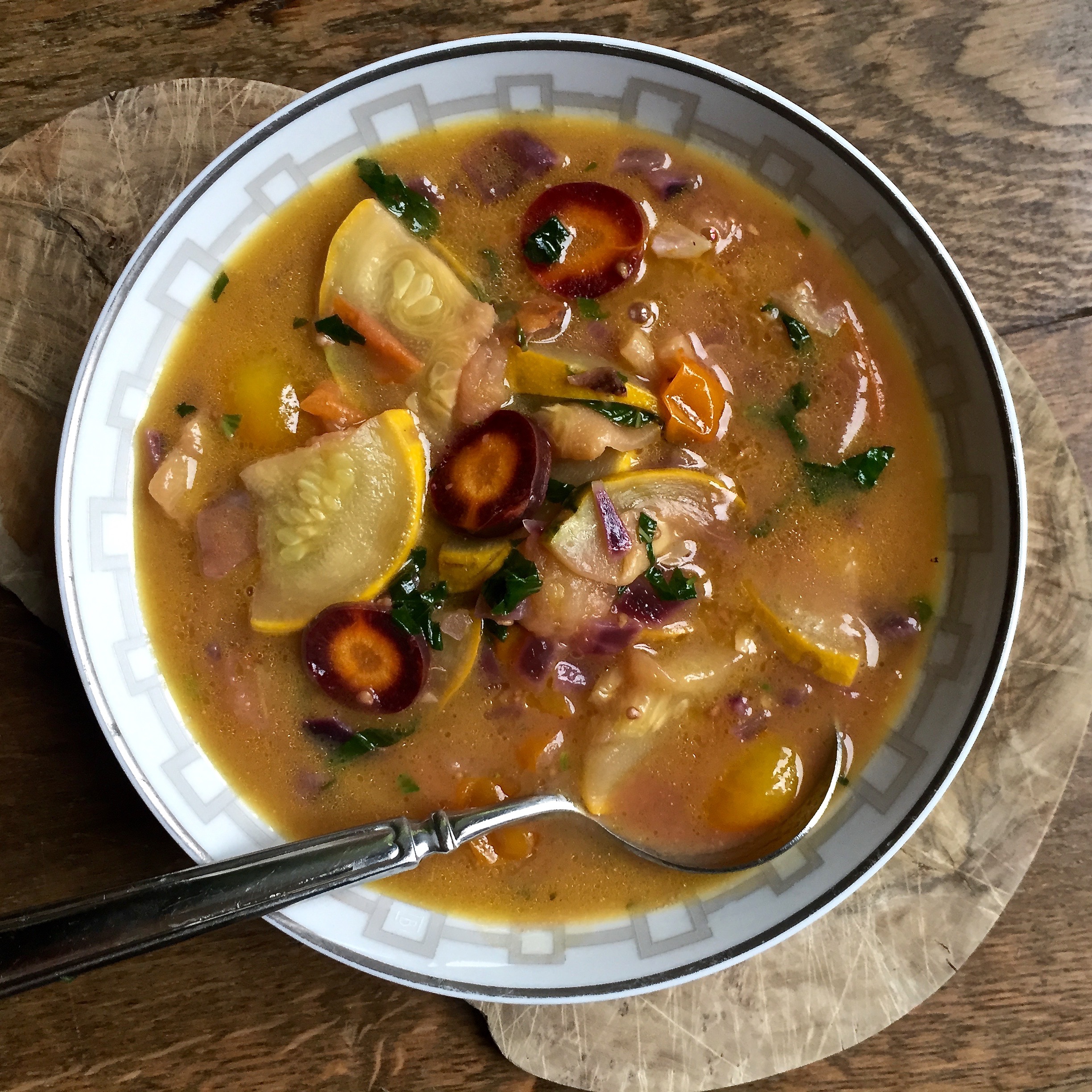
    I went for the former: I added the fish to a lovely soup (recipe tomorrow) and didn’t notice any overt taste. The fish is so small I can just toss into my handbag on trips and I love that for every sale made the company donates a fish to a Cambodian family in need (where one of the factories is based).

    IMG_5713

    The company stresses that their product is monitored for purity and that it can provide up to 75% of the required day intake of iron for women (read more here in their FAQ). Something I do need given that I eat a primarily plant based diet.

    You’ll find recipes full of foods with antihistamine and anti-inflammatory properties my books Anti-Recipes and The Anti-Cookbook

    CLICK HERE TO CREATE YOUR OWN PERSONALISED HEALING HISTAMINE PLAN. 

    —————– REFERENCE ——————

    [1] http://www.berkeleywellness.com/supplements/minerals/article/good-and-bad-iron

  • Histamine Intolerance, allergy & mast cell supplements pt1 (transcript)

    Histamine Intolerance, allergy & mast cell supplements pt1 (transcript)

    twinlab quercetin

    Thanks so much to Judith for your transcription of this video – very kind of you to make this text available to our community. And a quick note to anyone who has a little spare time and would like a couple of free books – please let me know if you are up for transcribing interviews/videos and I’ll hook you up! 

    Histamine Intolerance, allergy & mast cell supplements pt1 (transcript)

    View part one and part two of the video. 

    Today I thought I’d take you through the answer to one of the questions that I’m asked the most which is, what supplements do I take? Now, I was anti-supplements for a really long time because I believed in trying to allow the body to heal itself. But it became apparent after a while that my body was going to need just a little bit of help. So I thought I would try a few things and see what was a hit and what was a miss. Today I´m going to take you through the hits because – we´re all so very different –  I don´t really believe in saying, “Well, this worked for me so it should definitely work for you”. We all have a lot of other issues going on and so it´s best to see what works for you.”

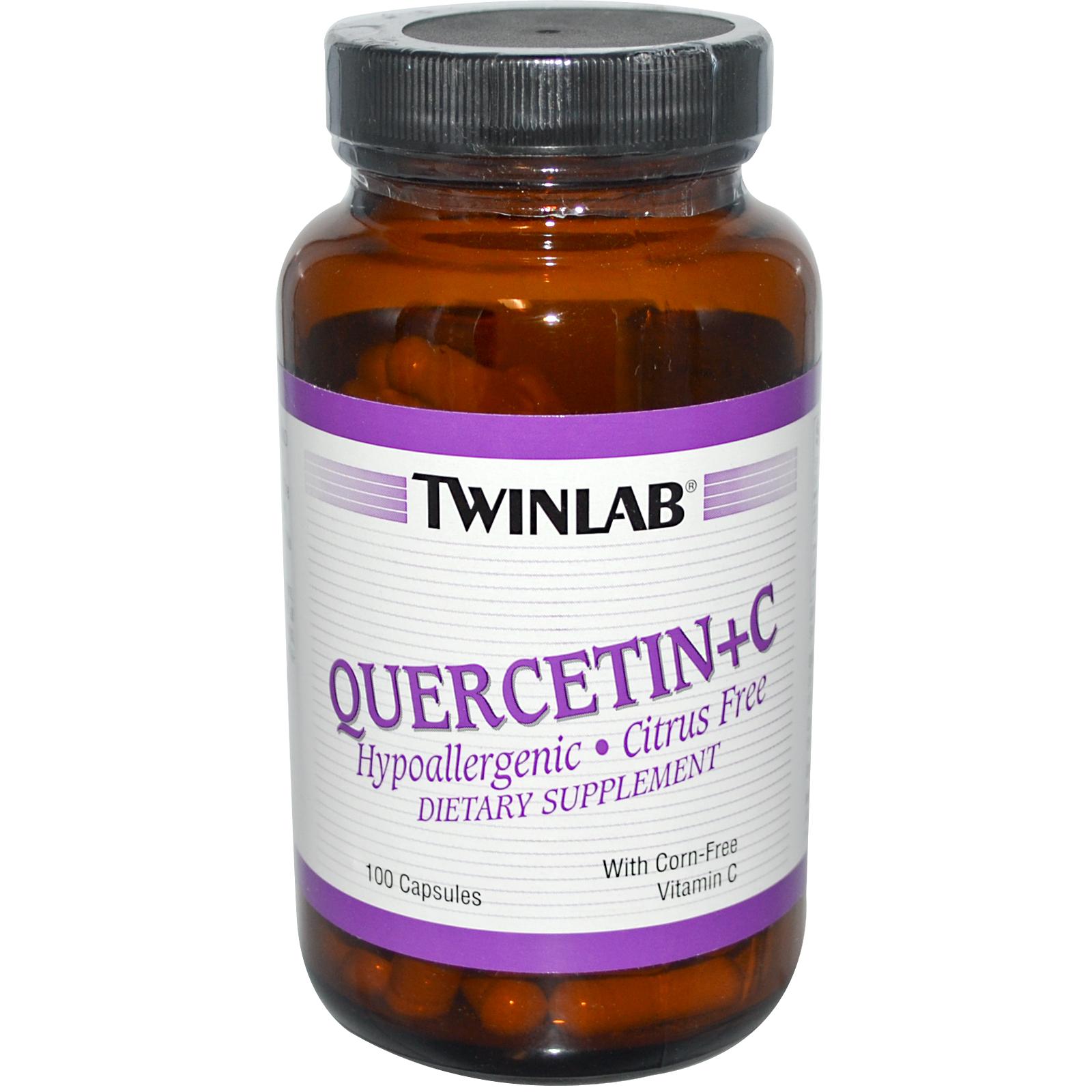
    So today I´m going to show you my absolute favourite supplement on the planet at the moment which is the Twinlab Quercitin with Vitamin C. Now, some people don´t know this but Vitamin C – or may know this – that Vitamin C is a potent mast cell stabilizer and antihistamine. What do I mean by a mast cell stabilizer? Histamine and other inflammatory elements are contained within a mast cell which is in our body. The mast cells then release these inflammatory elements as needed by the body to fight infection or to help wound healing. Now the problem arises in some people like myself when we either have to many mast cells or mast cells are just leaking too many of these inflammatory molecules into the body and wreaking havoc on our systems. So Vitamin C is a potent mast cell stabilizer, preventing it from degranulating and leaking this inflammation into the body. The thing is, ascorbic acid – which is what you generally find in supplements – is generally made from fermented corn. Now, fermented foods are definitely off the menu for most of us which is a bit of a bummer as you know we like to take probiotics and other things but this Twinlab Quercitin with Vitamin C: the Vitamin C is actually made from sago palms, so its ascorbyl palmitate and this is the only Vitamin C I´ve never actually had a problem with. And the Quercitin is derived from the sophora japonica tree, I know because I called and asked. A lot of Quercetin supplements are derived from fava beans which are definetly a big no for those of us with histamine problems. So this is currently my favorite. I take between 2 and 4 tablets a day which is above the recommended dosage which I don´t  advise others to do but it´s just something I´m trying out for myself. I know that it is used in some medical trials at that dose for people with cancer and other disorders.

    My other current favorite is Mangosteen. It’s the Source Naturals Mangosteen tablets. It´s 36 mg of calcium with 187 mg of Mangosteen. I started taking Mangosteen because it is an anti-inflammatory, it´s an antihistamine, it’s a mast cell stabilizer. But it also is very effective in treating high prostaglandin levels. Now prostaglandins are one of the inflammatory molecules that are released by mast cells into the body. Now why should you care about prostaglandins? Well, a complaint I hear quite a bit is, “Oh my god, my hair is falling out, I don´t know what to do.” I was one of them. I lost a quarter of my hair.  It was very, very scary. I did a few things to stop the hair loss. The first thing was to stop washing my hair with shampoo. At least on the scalp. I was still using it on the ends. It gave me absolutely beautiful hair. But after a year I called it quits because I had enough. I just wanted a scalp that smelled really, really fresh. At the same time I started taking these Mangosteen tablets and my hair stopped falling out. I´m not sure if it´s a coincidence but if you read on my blog, prostaglandins cause hair loss in men and women. So you know, it´s always worth a try.

    Now those of you who either don´t want to take the Twinlab Quercitin or want something that packs  a little bit more of a punch: my other favourite supplement is Dr. Theoharides at TUFTS University, his supplement Neuroproteck. Dr. Theo is one the worlds most renowned mast cell experts with an incredibly number of studies under his belt. And he created Neuroproteck after finding out that bioflavonoids such as quercitin, luteolin and rutin are as effective as stabilizing mast cells thereby preventing them from releasing histamine and other inflammatory elements into the body. So, he put these all together in one capsule which is very handy.

    The basis of my diet, the anti histamine and anti inflammatory diet is bioflavonoids. It´s actually how I created my diet. I was looking at the research online and seeing that these bioflavonoids are as effective a treatment if not more effective than what is being prescribed to us by the doctors. Now if for some reason you either don´t tolerate Dr. Theos supplements or you just want to try something different, I found a couple of brands that due the other bioflavonoids, quercetin is very easy to find, its hard to find a clean source of luteolin and rutin. I´m currently trying out these Swanson Ultra Luteolin Complex which has in it luteolin and rutin from the sophora japonica tree. But also  – a little worringly –  from citrus sinensis, whis is otherwise known as an orange. So this one I´m trying at the moment  and I will report back. I seem to be doing ok with it. I´m on day 4 but we´ll give it a little bit of time.

    You’ll find more info on my diet and the recipes that helped heal me here.

    My other favourite Twinlab Vitamin C, also from sago palm. It´s 1500 mg of Vitamin C. If you can´t take Quercitin for some reason, this usually knocks a reaction right out of the park for me, it´s pretty amazing stuff. And now the last of the supplements I take on a daily or almost daily basis. This one is not on a daily basis but as needed when I feel a little bit tired or when I know that my iron is low. It was really amazing to find this stuff because I really, really struggled with iron supplements – my goodness – I reacted to every single one that I took but in the end water saved the day! This is Spatone. It is available in the United States. It´s basically an iron rich water. Who knew such a thing existed, I mean logically it must exist because there are minerals in water but this one has definitely been a lifesaver. And that´s it! That’s a roundup of these supplements that I use on a daily or almost daily basis and that´s it for now. Hope, you enjoyed it!

    Join my mailing list for more recipes and to be the first to know when registration for my low histamine webinar opens!

    Take a peek at my low histamine and antihistamine cookbooks for more high nutrient recipes.

    If you’ve found this information useful I’d appreciate your support (at no extra cost to you!) – please check out my online store for your health foods, supplements, kitchen items and beauty product purchases. Affiliate sales through my online store go towards maintaining the website, funding travel to interviews and purchasing all the lovely foods for my free online recipes. You’ll find these items in the “Shop with us” drop down menu on my homepage.

     Please don’t forget antihistamine, pain killing foods can still hurt us, so please always check with your doctor before adding new foods to your diet. 

  • Histamine intolerance, mast cell disorder and allergy supplements (Pt 2)

    Histamine intolerance, mast cell disorder and allergy supplements (Pt 2)

    In today’s video I take you through:

    Part two of my favourite mast cell stabilising, allergy fighting, histamine intolerance quashing supplements.

    How to maximise quercetin absorption; considerably!

    Why quercetin might not be right for you.

    Why taking/eating the same thing every day could be tripping up your progress.

    And also a quick explanation on how I re-introduce foods.

    Missed part one? Check it out here.

    23 and Me are running a special on genetic testing now…

    Order 23andMe DNA kits for the entire family. Each additional kit is now 20% off.

    Why do the same supplements work for all the aforementioned conditions?

    For the answer we need to ask ourselves what histamine intolerance, mast cell disorders (mast cell activation, mastocytosis) and allergies have in common.

    You might say histamine, and you’d be right, but let’s go a little deeper.

    Histamine triggers inflammation in the body. Great in small amounts, as needed, for healing, but not so much when there’s too much of it.

    Too much histamine = rampant inflammation.

    Not ideal given that we now know that chronic inflammation causes/is involved in:

    Cancer [1]

    Artherosclerosis (plaque build up in the heart, leading to heart attack and stroke) [2]

    Depression [3]

    Allergies [4]

    Autism [5]

    Neuro-inflammatory conditions (Parkinsons, Alzheimers) [6]

    Arthritis [7]

    Thing is, where does this excess histamine come from? Is most of it coming from the food we eat? Not according to any doctor I have ever spoken with, interviewed, or consulted.

    Mast cells.

    Histamine, as well as other pro-inflammatory compounds, live in mast cells.

    Thing is though, it’s not just histamine being released from mast cells. There’s a ton of other inflammatory stuff (great in small amounts) either being released at the same time, or being synthesised once the mast cells break open.

    And that’s why I keep talking about the importance of an anti-inflammatory diet.

    The great news though is that food and supplements can also address the other inflammatory compounds.

    Here are a few examples that I recently found:

    Please remember that natural supplements still have side effects and should not in any case be considered a substitute for treatment. Do not begin any supplements without consulting your doctor.

    Leukotrienes 

    Pharmaceutical: Singulair/Montelukast

    Natural: Nigella Sativa seeds/oil, butterbur (has been found to cause liver damage) [8], omega 3 fatty acids [9],

    Heparin (elevated in mast cell disorders)

    Pharmaceutical: aspirin therapy (salicylic acid)

    Natural: plant based high salicylate diet

    Prostaglandins (brain fog, inflammation, hair loss)

    Pharmaceutical: aspirin therapy (salicylic acid, as per a conversation with Dr Castells)

    Natural: plant based high salicylate diet, mangosteen supplements, pomegranate peel [11]

    Now, please enjoy the video above for all the great info I promised you!

    Don’t forget to…

    Join my mailing list for more recipes, to be the first to know when registration for my low histamine webinar opens, and for a 10% discount on my books!

    Take a peek at my low histamine and antihistamine cookbooks for more high nutrient recipes.

    If you’ve found this information useful I’d appreciate your support (at no extra cost to you!) – please check out my online store for your health foods, supplements, kitchen items and beauty product purchases. Affiliate sales through my online store go towards maintaining the website, funding travel to interviews and purchasing all the lovely foods for my free online recipes. You’ll find these items in the “Shop with us” drop down menu on my homepage.

    ——– REFERENCES ——–

    [1 – 4] http://en.wikipedia.org/wiki/Inflammation#Atherosclerosis

    [5] http://healing-arts.org/children/mercury_in_vaccines_autism_research/Immunity_Neuroinflammation_Autism_Study.pdf

    [6] https://sites.google.com/site/fansofdrtheo/

    [7] https://sites.google.com/site/fansofdrtheo/

    [8] http://www.ncbi.nlm.nih.gov/pubmed/8302945

    [9] http://www.greenmedinfo.com/article/omega-3-fatty-acids-decrease-serum-leukotriene-b4-patients-cystic-fibrosis

    [10] mangosteen http://www.ncbi.nlm.nih.gov/pubmed/12230104

    [11] http://www.ncbi.nlm.nih.gov/pubmed/22945624

  • Histamine intolerance/mast cell stabilising supplements

    One of the questions I’m most frequently asked is: “What supplements do you take?”

    So I put together a quick video on my top histamine intolerance, histamine lowering, mast cell stabilising supplements.

    I explain the benefits of various antihistamine and mast cell stabilising supplements, how/why they work for me and how researching them led to the creation of my personal antihistamine and anti-inflammatory diet.

    I’ll also share the miracle iron supplement that isn’t actually a supplement (thanks Nicola for the tip!). It’s ironic, but it took me years to work out that the iron supplements I was taking to combat vegan diet induced fatigue were actually causing narcoleptic episodes! At least pineapple tastes great and made me supremely happy before my head hit the table.

    But….I’m excited to now be able to enjoy little bits of pineapple, kiwi and mandarins!

    There’s plenty more videos in the works (with better audio – still working out the kinks, please bear with me as always) so please keep an eye out, but in the meantime I’d love to hear what supplements work for you.

    You’ll find links to everything I talk about in the video here.

    Please ALWAYS check with your doctor before trying supplements.  

    The Anti-cookbook and all liquid Anti-Detox Book, don’t treat any conditions, but are high in the high nutrient antihistamine and anti-inflammatory ingredients that have been instrumental in helping me feed myself on a limited diet. The Anti-cookbook features a six page list of antihistamine and anti-inflammatory foods and comes in regular and Paleo. 

    The Low Oxalate Cookbook features antihistamine and anti-inflammatory rich recipes. 

    Don’t miss the Low Histamine Beauty Survival Guide for non-toxic beauty tips, the skinny on histamine releasing (mast cell degranulating) beauty ingredients, antihistamine and anti-inflammatory beauty alternatives and the top brands natural brands I’ve found.

    Take a peek at my other low histamine and antihistamine cookbooks for more high nutrient recipes and sign up to my mailing list for freebies. 

GET STARTED HEALING HISTAMINE

WHAT YOU NEED TO KNOW ABOUT HISTAMINE DELIVERED TO YOUR INBOX