


Category: Practitioner Views

  • Dr Castells interview: lifestyle changes DO work for mast cell/histamine disorders

    Dr Castells interview: lifestyle changes DO work for mast cell/histamine disorders

    Young sports woman with barbell.

    Many of you will read the title of this post and think “D’oh! Of course lifestyle changes work for mast cell/histamine disorders!”

    But would you believe that out of eight world renowned mast cell experts at the European Mastocytosis Conference patient Q & A session in London last week, none of them appeared to acknowledge that lifestyle and diet play a part in either the progression, regression or management of mast cell activation, mastocytosis, systemic mastocytosis and by extension (I would think), histamine intolerance (if indeed they believed it exists). (Click through to my FAQ to learn how mast cells, histamine intolerance and allergies are related). 

    And that dear friends is why I believe I seriously lucked out in first being diagnosed with histamine intolerance rather than mast cell activation. Why? Because it was impressed upon me that diet was the key to controlling symptoms. I was however eventually also told it wasn’t all about food – something I chose to ignore till my symptoms didn’t really resolve on the standard low histamine diet. (They got better at first but soon with each food I eliminated from my diet I grew sicker and sicker.)

    But that’s old news.

    Coming up with the recipes for my high nutrient antihistamine and anti-inflammatory books gave me my life back, and as regular readers know, I’m now actually in the best health of my life!

    The new news is that one of the world’s most respected mast cell experts, Dr Mariana Castells, was kind enough to grant me an interview. The even better news is that she believes, (wholeheartedly I might add), that lifestyle changes – exercise, diet and stress relief can cause a remission of mast cell symptoms. She told me a wonderful story (not unlike my own) in which a patient with systemic mastocytosis who wasn’t seeing the improvement she wanted from meds, chucked it all in: changed her life, diet, started exercising and traveling. She came back years later to relate to Castells that her symptoms were in remission and that she no longer took any meds for her systemic mastocytosis. This is not an isolated case. I’ll soon begin featuring recovery stories sent in by readers of this blog and also those of friends.

    For those of you who don’t know, English is not Dr Castells’ mother tongue – she’s Spanish.

    “In terms of systemic mastocytosis, and some with cutaneous mastocytosis, the most important things is to think about changing the lifestyle and the two most important pieces of the lifestyle are the exercise and the diet – interchangeably I mean, not one over the other,” Dr Castells.

    She went on to cover something very close to my heart: that nutrition, rather any particular one type of diet is the critical component.

    “The diet is critical and there is no single diet, so there are diets that will be good for a patient or not so good, grains, fruits, vegetables, any of that with antioxidants are tremendously good for patients – fats are not so good, said Dr Castells. 

    Surprised to hear me agree with her? While I credit diet with helping me heal, it wasn’t the low histamine diet that did so, but rather the very high nutrient diet I adopted just over a year ago. I believe that a diet rich in natural antihistamines helped me reach where I am now, though I concede that simply replacing the low nutrient foods with nutritionally excellent foods, be they antihistamine foods or not, has upped my intake of hundreds of phytonutrients that support my body as a whole. Throw in the placebo effect, because I’ve convinced myself it’s why I’m healing, and we’re cooking.

    It’s so important to remember, as I say over and over, histamine is only ONE of many inflammatory elements released by mast cells (I’m shocked that some people don’t even know that histamine is already stored in our bodies!) and as such we’re better off eating any kind of diet does not cause inflammation in our bodies, regardless of what it is.

    I didn’t have time to ask a follow up on the fats point – but I’m not really surprised she said that. And please, let’s be honest with ourselves. You may think you do ok with Chocolate Chunk Cookie Dough ice cream for breakfast, lunch and dinner, but we know better right?

    And couch potatoes, time to get those sneaks on!

    Dr Castells says that it’s important to “maintain a healthy lifestyle, which is at least 30-45 minutes of exercise per day like brisk walking, not running but jogging, swimming, and even dancing. I actually have patients who dance Zumba, it’s pretty heavy duty in decreasing calories, so those are the lifestyle changes that a patient with systemic mastocytosis needs to make in order to improve the quality of their life.”

    But I’m too exhausted all the time? Can’t you just give me more meds instead?

    “Fatigue doesn’t respond well to all the medications we use, even the more sophisticated ones – fatigue only responds to changes you make to your tissues through exercising or changes you make to your intestinal absorption by changing what you eat,” says Dr Castells.

    I know many of us are scared to exercise. I know I was. This doesn’t mean you should run out and take a one hour aerobics class but rather that incremental steps may help train mast cells, giving more energy to build up to a routine that will in turn generate more energy.

    Castells’ 20 years of seeing mastocytosis patients has shown her that if a patient comes to her with symptoms, and a digestive tract loaded with mast cells, it may well be time to completely change their approach to diet and exercise – because a clean break and a change in perspective could just be what the doctor ordered (sorry, couldn’t resist).

    Interestingly the analogy Dr Castells used is one I often do myself – cancer induced inflammation, saying that genetic markers/similarities exist: “There is a tremendous inflammatory component. In cancer it’s harder to get that inflammatory component in check, but in mastocytosis, just by educating the mast cells to a certain level of activity, tremendously reduces that inflammatory component,” she said.

    Yoga is an excellent inflammation busting exercise, there’s even a few studies on yogic pranayama breathing shown to lower histamine in particular.

    Dr Castells recipe for health?

    “My recipe, not as a physician, but as someone who has followed patients with mastocytosis over about 20 something years, and seeing it’s kind of evidence based, not published, but evidence based, the patients in which I have been most successful in treating are patients who make changes in exercise and diet, and need a few medications here and there. They’ll need protection with an epi pen, in case of anaphylactic events, they may still have days in which things are different, but the need for medications is lowered, the quality of life is dramatically increased and overall the disease in the great majority of patients is very stable,” she said. 

    Don’t miss part two of this interview where we cover:

    1. The role of stress in mast cell disorders

    2. How mast cell disorders can be misdiagnosed as psychiatric

    3. The importance of managing your environment

    4. How a positive attitude impacts prognosis

    5. Why medication won’t help fatigue (and what you can do about it)

    You’ll also find out the best kinds of exercise for histamine intolerance in my post here. 

    Please don’t forget antihistamine, pain killing foods can still hurt us, so please always check with your doctor before adding new foods to your diet. 
     

  • UK based nutritionist Micki Rose on treating (and diagnosing) Histamine Intolerance

    UK based nutritionist Micki Rose on treating (and diagnosing) Histamine Intolerance

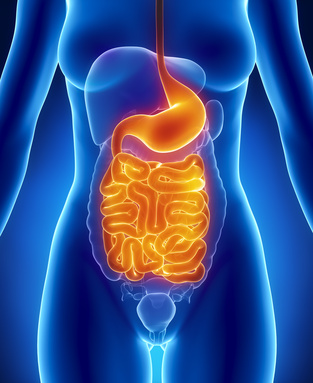
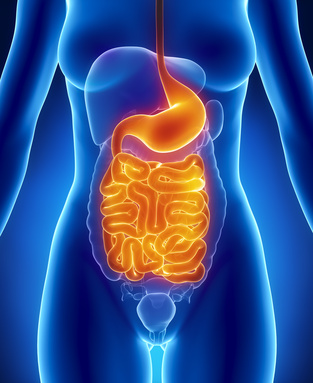
    Female GUTS and STOMACH anatomy anterior x-ray view

    As one of the UK’s most well respected naturopathic practitioners and health writers, could you please share with my readers your view on the underlying causes of histamine intolerance?

    Gosh, that’s the sixty million dollar question, isn’t it? I am not a histamine expert, and I am sure others will have much more on that, so I can only tell you how I see it.

    It might be a problem producing the DAO enzyme that helps break down histamine in the body so you get a build up of histamine and the consequent symptoms,  they might not produce enough histamine N-methyltransferase either, which inactivates histamine so the histamine remains very active, or they might even have too much Histidine Decarboxylase, an enzyme that converts histidine into histamine so they are very efficient at making histamine. Of course, they might have none, one or all of those going on!

    There are other people who, according to research by Carl Pfeiffer in the 50s have a methylation issue and simply produce too much histamine. He calls this ‘histadelia’ and describes it as a familial, inherited disorder which usually shows itself in compulsive behaviours, anxiety and depression as well as increased allergic reactions, headaches, itching etc . In this case, he advises use of methionine which helps to detoxify the histamine in the body and calcium which releases the body stores of it. In fact, this is how I first got into looking at histamine and, if the blood level is high and those sorts of symptoms are present, there is a protocol that can be used, which is based on his work.

    I suspect much of it is genetic predisposition, but I am beginning to wonder if it is acquired too in some people. My specialist area is gluten sensitivity and one thing we do know is that gluten can cause inflammation and auto-immune damage to pretty much anywhere in the body. We know it can affect the parietal cells in the stomach, for example, and people then go on to have problems producing stomach acid and instrinsic factor etc. I wonder if the damage is also being done to enzyme production/methylation in some way. I have no way of knowing and I haven’t had time to go down that investigative route so far, but I wouldn’t be surprised, especially as we are finding it a lot in people with gluten sensitivity, along with fructose and lactose intolerance.

    Most people have no idea they are what we call ‘true gluten sensitive’ and they think that they are not coeliac and that’s the end of it, which is, sadly we are finding, very far from the truth. Does the gluten – or something else entirely – damage the enzymatic processes in some way or are we just born that way. I suspect there is a genetic predisposition that gets triggered but that is pure conjecture on my part!

    What is your approach to diagnosing and treating histamine intolerance? 

    For years, I have done high blood histamine in depression/compulsive cases with allergy present just in case it is the methylation issue.

    I really introduced DAO testing for my truly gluten free patients and readers. As part of the Barrier Plan, our treatment protocol designed to lower inflammation, repair the damaged mucosal tissues and prevent auto-immunity, the first thing I advise is that they remove any allergens in their diet that could be perpetuating the problems and stopping them healing.

    Part of that is looking for gluten, fructose, lactose and histamine sensitivity. With those results, they can then get an idea of what diet they need to follow to enable optimal healing. That’s the ideal, of course, and not everyone either wishes to or needs to go that far.  I then had to find ways of testing them all.

    With histamine, I offer DAO testing and whole blood histamine, which can be done separately or together in the histamine intolerance test.

    Obviously, the DAO enzyme will tell someone if they have enough of it nor not and the whole blood gives them the levels of histamine they have in their body. If the histamine is high and there is a lack of DAO, there’s your answer, although you could have normal levels of histamine and low DAO and that’s sometimes enough. It’s the difference between how much histamine there is and the ability to break it down.

    You can test for methyltransferase and for decarboxylase genetically and possibly biochemically, which I haven’t sourced yet. If I get more into histamine – gluten is enough to deal with currently, trust me – then I will!

    In reality, if there is a suspicion of histamine intolerance, we do the DAO/whole blood test and, even if negative, trial a low histamine diet and see if the person responds well to it.

    In terms of treatment, I usually refer people to sites like yours and books to learn about histamine foods. I also tell them about DAO enzyme products like DAOSin, which sadly are not grain free for the truly gluten free people, but could be used by most others.

    For the histadelia, I advise a specific protocol or finding someone who can help with that.

    I also, of course, talk to them about auto-immunity, gluten and possible causes of enzymatic problems to try and see if they can identify the root cause if not wholly genetic.

    In your view, is a low histamine version of the standard diet (most speak of SAD) enough, or should patients explore a higher nutrient diet? 

    Absolutely, they must not just take stuff out of the diet but need to nourish themselves well enough to heal and repair. In my limited experience, histamine intolerance tends not to occur in isolation and I advocate at least an anti-inflammatory, mucosal barrier repair diet as per the Barrier Plan if they can. People with inflammatory bowel disorders are known to have lower DAO and this is not surprising when you learn that the DAO is made by intestinal cells in the mucosal gut lining.

    I also advise they seek other types of intolerance if they are not 100% better after a few months on low histamine. Many people with intolerances are malabsorbers too in my opinion, which makes it all the more important to eat well, as well as remove the allergenic foods. People with HIT have been found to be particularly low in B6, for example.

    Which factors (diet, lifestyle, stress) impact production of the histamine degrading diamine oxidase (DAO) enzyme and release of histamine in the body?

    This isn’t something I have looked into much yet. I do know that many pain killers can block the DAO production or increase the release of histamine from mast cells. So can some sleeping pills, asthma medication, mucolytics, anti-hypertension drugs and antibiotics. Leaky gut and H pylori infection are thought to make it worse.

    Obviously, any amount of stress is going to have an effect on health generally and on the gut particularly, as would a poor diet, especially in relation to the gut flora levels.

    The release of histamine in the body is going to be much higher in someone who is constantly taking in an allergen, whether they realise it is an allergen or not, which is why I advise trying to find allergens as much as possible and heal the gut to try and stop the allergens getting through and triggering the histamine reaction.

    Do you believe leaky gut is the root cause of histamine intolerance?

    Very probably to do with mucosal breakdown, yes, although I am not sure that is the primary cause as I said above. I think you have to go a step further and think about what might be affecting those intestinal cells supposed to be making the DAO, what is affecting production of the other enzymes, the methylation etc. I am convinced it is gluten in some people.

    Although, it is interesting that many women especially seem to become histamine intolerant in their late 40s. Is there a hormone element or trigger maybe?

    Having said that, I do find that gluten sensitivity and leaky gut does seem to ‘suddenly’ show itself around that age – is it just that it takes that amount of time for the body to show the problem outwardly, or we have lost the ability to keep it under control..?

    Is there any way for people in other countries to take your test? 

    Yes, as long as they can send the DAO sample back within 7 days to the lab in Germany (their cost). Whole blood needs to be returned to the UK lab in 48 hours and not in the hold of a plane as it shouldn’t freeze, again their cost. I’ve done quite a few DAOs in Europe already; I think further afield would be a problem to get it back in time. People should check they can do that OK before ordering. There will be extra postage to send the kit (s) to them and I Paypal invoice that when they have ordered.

    Micki Rose, DN Med, natural health consultant and writer

    www.trulyglutenfree.co.uk (for gluten and grain sensitivity)

    www.purehealthclinic.co.uk (main clinic site, A-Z of ailments etc)

    www.purehealthshop.co.uk (tests, articles and ebooks)

    ADDITIONAL RESOURCES

    DAO TESTING IN THE UNITED STATES & CANADA

    I haven’t tried either of these labs myself…please let me know your experiences if you have.

    http://www.nutratestlabs.com/diamine-oxidase.cfm

    http://lsialab.com/gb/Histamine_Intolerance_Test

    The Anti-cookbook, while it doesn’t treat any conditions, due to its high nutrient, antihistamine and anti-inflammatory ingredients, has been instrumental in helping me feed myself on a limited diet. It features a six page list of antihistamine and anti-inflammatory foods. It comes in regular and Paleo. 

    The Low Oxalate Cookbook features antihistamine and anti-inflammatory rich recipes. 

    Don’t miss the Low Histamine Beauty Survival Guide for non-toxic beauty tips, the skinny on histamine releasing (mast cell degranulating) beauty ingredients, antihistamine and anti-inflammatory beauty alternatives and the top brands natural brands I’ve found.

    Take a peek at my other low histamine and antihistamine cookbooks for more high nutrient recipes.

    If you’ve found this information useful I’d appreciate your support (at no extra cost to you!) – please check out my online store for your health foods, supplements, kitchen items and beauty product purchases. Affiliate sales through my online store go towards maintaining the website, funding travel to interviews and purchasing all the lovely foods for my free online recipes. You’ll find these items in the “Shop with us” drop down menu on my homepage.  

    Please don’t forget antihistamine, pain killing foods can still hurt us, so please always check with your doctor before adding new foods to your diet. 
GET STARTED HEALING HISTAMINE

WHAT YOU NEED TO KNOW ABOUT HISTAMINE DELIVERED TO YOUR INBOX