Guest post by Dale Brooks of the wonderful Menopause Histamine Connection blog.
Before I get started, I’d like to thank Yasmina for the opportunity to write this for her blog. I’ve told her that when I refer to her to my best friend, I call her the Queen of Histamine. I’m sure I’m not the only one who feels this way. I know The Low Histamine Chef is a beacon on an ocean of fear about histamine intolerance.
Yasmina’s story is very different than mine however, and that’s what brings me here. My work has been all about the connection between histamine intolerance and menopause. Where Yasmina’s story entails many years of suffering a multitude of symptoms, my story is of a woman who was going along through life without any other problem than itchy legs and monthly migraines brought on by periods.
I went from what felt like normal to crazy in a day. The moment my periods stopped, and I was regular to the day my entire life, I was a mess. The “expected” symptoms, insomnia and hot flashes, pointed to the onset of menopause. But then there were the others; the constant urge to urinate and the invisible itch to name the most debilitating.
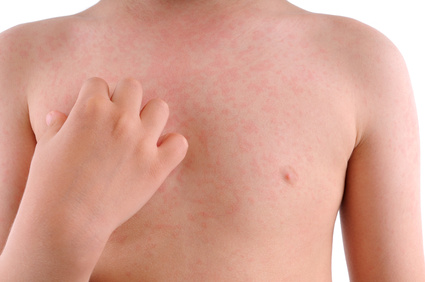
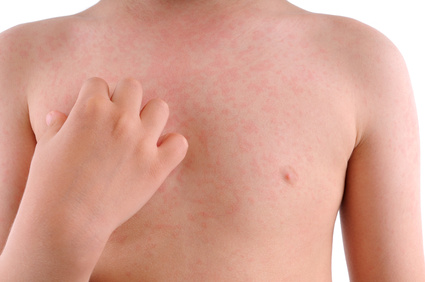
It was the itch that really almost put me over the edge. It started as a little itch below my shoulder blade that I could never seem to get to stop, and then it went from there. The worst of it was my arms. No hives, no indication of a problem, just an itch that I could find no relief from. I tried everything to get rid of it.
For the next month I suffered, all of a sudden it seemed, from having insomnia, itching, six to ten hot flashes and the need to pee four and five times a night. I was a mess. I was in agony from the symptoms and completely sleep deprived.
It was after drinking a beer, with a growing awareness that food was causing my symptoms, that I finally stumbled over histamine intolerance. I erupted in an uncontrollable itch after the first sip of that beer, went home and Googled what’s in beer, and took a good look at the ingredients. Histamine. I thought “What the hell is histamine?”
The next day, armed with my new theory and lists of histamine-rich foods I started my food diary. It took me only until that afternoon to be completely certain this was the answer. Within minutes of eating an avocado my arm itch came roaring back. And there it was: cause and effect. It would take me another day to type in the words menopause histamine. It had taken me that long to finally put all the pieces together in my head.
And now I come to the really important part of the story. The reason I have a blog and my ultimate mission in life. Women do not have to suffer through menopause. Most of those famous 34 symptoms of menopause can be controlled with a high nutrient anti-inflammatory diet. I know this to be true and I really want to get the word out.
My research over the last two years indicates there is a clear connection between histamine intolerance and the hormonal fluctuations of perimenopause and menopause. I’ve been through many theories on my blog as to why this happens. I am not a scientist or a doctor, but I can see the relationships clearly as I study the physiology of our bodies. It’s only now, two years after I theorized the link between hormones and histamine, that I read in the papers and see in the news that studies are being done on the effects of estrogen and allergic reactions in women. But it is not just understanding estrogen’s role alone.
CLICK HERE TO CREATE YOUR OWN PERSONALISED HEALING HISTAMINE PLAN.
I knew it was hormonal, but where would I start? It was logical to start at the point when I thought I might have helped cause my own problem. I had been taking Evening Primrose Oil for about three months to control my PMS symptoms and felt that there was a connection between that and the itching. The timing of it made me go back to that over and over again. When I read that Evening Primrose was a powerful Omega 6, I realized I had the first thread in the tapestry. Inflammation.
I already had an over-abundance of omega 6 in my diet as most Americans do, and by supplementing with Evening Primrose Oil I helped create a deficiency in Omega 3. This caused my cortisol levels to rise and my DHEA levels to diminish. This imbalance lead to a compromised immune system that led to the inflammation that caused the histamine intolerance.
DHEA is the body’s natural cortisol antagonist. It prevents many of the negative effects of cortisol. Cortisol is secreted by the adrenal glands and is considered the “stress hormone.” It’s involved in several functions in the body including immune function and inflammatory response. DHEA is also secreted by the adrenals. One of its major functions, other than working with cortisol, is that it is a precursor to estrogen. (Precursors are substances that are converted by the body into hormones)
Much of the new research is that a rise in estrogen causes allergies to become worse. Women with asthma know this well, as their hormones fluctuate with their periods, their asthma might worsen. But with menopause, estrogen drops away. So wouldn’t that protect us from something like histamine intolerance? I believe focusing on estrogen alone is a big mistake. It’s just not that simple. And because we know DHEA is a precursor to estrogen, it makes sense to me that low DHEA is a key player in the mix. Low DHEA, low estrogen, high cortisol.
Ultimately, I believe my body was dealing with an inflammatory situation before menopause began.The drop in estrogen and progesterone basically unveiled the problem and had a direct affect on insufficient DHEA and high cortisol levels produced by the adrenals, and the ensuing inflammatory response.The link between cortisol production and DHEA is an important one because, with long periods of chronically high cortisol levels, the ability to produce DHEA diminishes and your immune system becomes compromised. It’s that compromised immune system that then wreaks havoc with inflammation, and thus causes histamine intolerance. To read all my findings please read my post on the final theory on why healed.
I need to stop here for a second and address one thing. What I’ve researched and believe is really happening could fall under what some naturopaths call adrenal fatigue. If you do not have full blown Addisons disease or its opposite, Cushing’s disease, many allopathic doctors will tell you nothing is really wrong with your adrenals and its all fake. I do not believe it is an either or thing; either you have a major disease or not. Why is it impossible for the allopathic world of medicine to understand that hormone fluctuations can affect many parts of the endocrine system subtly?
Let’s even go so far as to say adrenal fatigue is not a proper term. The facts don’t change. Even aside from the Omega 3/6 balance issue, estrogen drops during menopause. It fluctuates as early as a woman’s late thirties or early forties. DHEA is the estrogen precursor. It’s logical that DHEA fluctuates and drops too. DHEA is a cortisol antagonist. DHEA drops, estrogen drops, cortisol rises, inflammation rises, histamine intolerance blossoms. So don’t call it adrenal fatigue. But that doesn’t mean it’s not happening.
Even though the adrenals release these hormones it is quite possible the messages the adrenals are getting from the hypothalamus/pituitary//brain axis via the hormone ACTH is the culprit. If the pituitary isn’t producing enough, or too much of this hormone, the adrenals will over or under produce its hormones. The pituitary knows to release the hormones in response to hormones released from the hypothalamus. This is where the B vitamins come in. B1 supports the hypothalamus.
I always say it’s not just one thing that caused the cascading effects of hormonal imbalance. I believe that there are other issues that cause histamine intolerance in perimenopausal woman. An imbalance between Omega 3 and 6 as well as an imbalance in cortisol and DHEA are the major factors that trigger the intolerance. Additionally, a lack of B vitamins plays a large role.
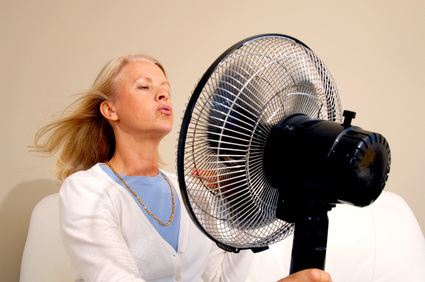
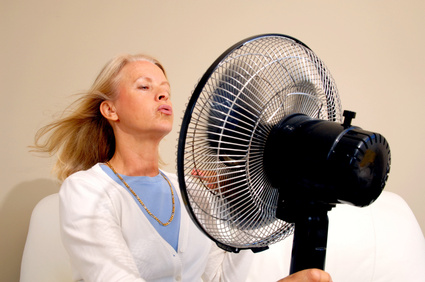
When most of my symptoms abated, I was left with one that really tortured me: hot flashes. (Or flushes for the gals across the pond) When I was on a completely restricted diet in the beginning, just trying to get a handle on everything, I was mercifully free of hot flashes. After I started reintroducing foods, the flashes came back with a vengeance.
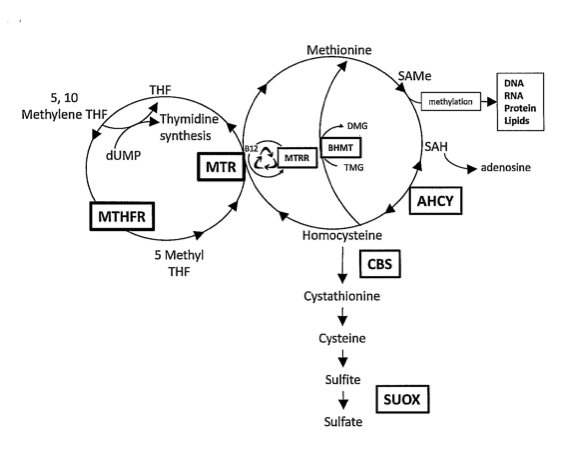
I spent many hours and posited many different theories as to why this was happening. Eventually the search led me to research the hypothalamus itself because it controls the body’s thermostat. While researching the autonomic nervous system in which the hypothalamus is a part of, I stumbled over another very important finding. Homocysteine levels rise when estrogen falls. Homocysteine is a non-protein amino acid. It is involved in the methylation process, something people with mast cell disorders would be familiar with, and high levels of it in your system mimics many of the symptoms of menopause and mast cell degranulation disorders. It can also be a precursor to cardiovascular disease, which is very interesting to me because the drop in estrogen is usually seen as the culprit in menopausal women. That’s why so many doctors want women to go on HRT. What if it’s simply a matter of bringing homocysteine levels back down? Vitamin B9, folic acid, helps balance homocysteine.
If you get enough of the B vitamins in your diet it turns out, you can bring your homocysteine level down, thus bringing your body back into balance. So the B vitamins all play an important role in healing intolerance and bringing the body back to normal. Theoretically you could supplement, if you can’t get enough through your diet, with B9 to lower homocysteine levels, B1 to support hypothalamus function, and B6 to support DAO production. Add in B12 for neurological health and you have a full spectrum of support. You can read my post on all these findings here.
It’s interesting isn’t it? The hypothalamus seem to be an important piece of the puzzle. Even if you disregarded everything else I said about DHEA and cortisone, you could still, theoretically fix your inflammatory condition by supporting your hypothalamus by bringing down your homocysteine level. If you read the symptoms of menopause and you read the symptoms of high homocysteine, they are virtually the same. Fatigue, brain fog…
Now for the last important key to my healing puzzle. I mentioned DAO in an above paragraph. DAO is an enzyme that helps break-down histamine. If you’re lacking this enzyme, which is produced in your intestines, your body doesn’t handle the histamine in foods properly and your histamine bucket tips over. Olive oil, it turns out, was key to helping keep my histamine bucket from filling up, and I stumbled on it quite accidentally.
I needed something to use on my dry legs. I could not use any body products without breaking out into hives. I couldn’t even use a razor on them or take hot showers. So they were dry! I decided that because I could eat olive oil without any reaction, I would use it on my legs. That night, I slept better than I had in months. I thought it was a fluke, but I realized within the next couple of weeks that many of my symptoms were gone. I started to, of course, research olive oil. I found in the studies I’ve linked to in this post olive oil was found to increase intestinal lymph DAO. To put it simply, it is my understanding, after reading quite a few medical abstracts, that if you are low on DAO, olive oil helps make some. (This has been my experience – Yasmina).
The truth is, the proof is the healing. As soon as I eliminated the high histamine culprits in my diet things changed dramatically. I also eliminated processed foods with chemicals. I got rid of body products that irritated my skin and started using olive oil as a moisturizer and in my diet. I started supplementing with Omega 3 because as vegetarian who eats no fish I could not get it otherwise. I also started supplementing with the B vitamins. Within days the itch stopped. The insomnia went away, the hot flashes stopped and the constant urge to pee ceased. I actually started to sleep through the night.
A month and a half after identifying histamine intolerance as my issue I started introducing foods back into my diet with little problem, and after three months I was virtually back to normal.
Now, I eat a healthy diet, and use only very few supplements. I still put a tablespoon of olive oil in my morning smoothies, I dehydrate and grind my own ginger to fill capsules and take that once a day, I take a vegan Omega 3 supplement made from algae, and I take an olive leaf capsule for its antioxidant properties. (As a note, antioxidants play a large role in healing the body but I have yet to post about them)
I’ve come to realize that my itchy legs and migraines were probably a mild form of intolerance all along, but with the drop in estrogen, the intolerance came to the forefront. There are other health issues lurking in my family tree that would indicate histamine intolerance came down through my mother’s side of the family. It manifested in different family members in different ways, but I can see now that it’s there.
It is truly my belief that women do not have to suffer through perimenopause and menopause. I believe the “typical” symptoms can be completely controlled, if not eliminated, through diet. I am so tired of the idea that there are these 34 symptoms and if you have them, well, that’s normal. It’s not normal. No one is supposed to suffer through life. Your body is not supposed to torture you.
To sum up…the major point to understand… is that when your hormones fluctuate at the onset of perimenopause, your body’s systems become unbalanced and it reacts to foods and other outside stimulants as if it were having an allergic reaction. It can be brought back into balance eating a healthy anti-inflammatory diet. Supplementing with vitamins might be necessary if you, like me, cannot get the nutrients you need through foods because of dietary restrictions. But that’s it. No HRT. No trips to the endocrinologist, allergist, or any other ologist. Just a trip to the whole foods section of your grocery store. Cure your histamine intolerance while eliminating your menopausal symptoms, all with food.
Are all women who have menopausal symptoms histamine intolerant? I do not know the answer to that question definitively. But I do know that when your hormones go on their roller coaster ride through menopause histamine rises. It’s there on the 34 symptoms of menopause!
Dale Brooks.
You’ll find a collection of all liquid high nutrient antihistamine and anti-inflammatory rich recipes for days when my histamine bucket overflowed in the new Anti-Detox book.
The Anti-cookbook, while it doesn’t treat any conditions, due to its high nutrient, antihistamine and anti-inflammatory ingredients, has been instrumental in helping me feed myself on a limited diet. It features a six page list of antihistamine and anti-inflammatory foods. It comes in regular and Paleo.
The Low Oxalate Cookbook features antihistamine and anti-inflammatory rich recipes.
Don’t miss the Low Histamine Beauty Survival Guide for non-toxic beauty tips, the skinny on histamine releasing (mast cell degranulating) beauty ingredients, antihistamine and anti-inflammatory beauty alternatives and the top brands natural brands I’ve found.
Take a peek at my other low histamine and antihistamine cookbooks for more high nutrient recipes.
If you’ve found this information useful I’d appreciate your support (at no extra cost to you!) – please check out my online store for your health foods, supplements, kitchen items and beauty product purchases. Affiliate sales through my online store go towards maintaining the website, funding travel to interviews and purchasing all the lovely foods for my free online recipes. You’ll find these items in the “Shop with us” drop down menu on my homepage.
Please don’t forget antihistamine, pain killing foods can still hurt us, so please always check with your doctor before adding new foods to your diet.