Mast cells are a key player in the immune system response. They release histamine and other inflammatory agents into the bloodstream to fight viruses and bacteria, parasites, and promote wound healing. Pretty much any invader can cause this mast cell activation, or a perceived intrusion, by food and beauty products for example, when the immune system is on a rampage. There’ll be a root cause for many dealing with mast cell/histamine related symptoms and inflammation, and resolving it will hopefully lead to recovery once the immune system is able to rest easy knowing its work is done. All references are found at the end of the post.
Parasites.
Nowadays nothing sets off my quack-ometer more violently than parasite “zapping”.
Well, that biofeedback machine where you hold the copper balls in your hands to diagnose/treat allergies and a few other choice pseudoscientific delights with a real potential to kill, or at least totally fleece people, maybe. In the years before become a (somewhat) sceptical journalist for CNN and the BBC I flushed a tremendous amount of money down the loo submitting to many of these questionable treatments. Nowadays I write about healing naturally, but using scientifically backed research, much of it conducted on poor little animals or in test tubes; but we work with what we have.
Sadly, parasites are a real thing, and medical diagnosis and treatment is possible, if only more practitioners were open to the idea, rather than driving us desperate folk into the arms of quacks.
Mast cells are a kind of army barracks that house histamine and other inflammatory soldiers till they’re called into battle for our survival. These cells release inflammation like histamine into the bloodstream as a first line of defence against parasites. Mast cells can control parasites in a number of ways, one of which is by regulating gut permeability (causing or fixing what some may know as leaky gut).
Histamine released by mast cells can also happen via IgE immune system response (like in allergies). There are many causes of a high overall IgE level, but parasite infection is definitely one of them. Interestingly, you may have heard in the last few years that people have been trying to cure allergies by knowingly infecting themselves with helminths. I know a number of cases where this has backfired, so please be very careful if you choose to investigate this.
Signs and symptoms
Abdominal pain, diarrhea, nausea or vomiting, gas or bloating, rash or itching of the posterior, stomach pain or tenderness, tiredness, weight loss.
Testing
According to the Centers for Disease Control (CDC) your doctor should consider:
A fecal (stool) test/ova and parasite test (O&P)
The CDC recommends that three or more stool samples be collected on separate days to find parasite eggs. They must be refrigerated but not frozen.
Endoscopy
This test is recommended when parasite infection is suspected but not found using stool samples. It’s a fairly unpleasant procedure that allows the doc to examine the intestine to look for the little buggers or evidence they’ve been there.
Blood tests
Serology
This looks for antibodies produced by the immune system in response to the parasite.
Blood smear(not a live blood analysis)
This helps doctors spot any blood borne parasites.
X-ray/MRI/CAT
These are used to spot any lesions caused by some types of parasite infections.
The University of Maryland Medical Center (UMMD) details something called the “Scotch Tape Test” that is so stomach charmingly gross that I can’t quite bring myself to repeat it. Do ask your doc about it though because it seems an inexpensive, pain-free, if insanely embarrassing, approach. That said, women regularly undergo some undeniably barbaric and humiliating procedures, so what’s one more, right?
Dietary approaches
Last week I shared a wonderful Indian spice that easily replaces onions and garlic in flavour, which is handy for those allergic to the allium family or low FODMAPs. It also happens to kill some types of parasites. Read the post here.
May stop parasites from growing…
Avoiding sugars.
Eating raw garlic, pumpkin seeds, pomegranates, beets and carrots (all low histamine), which have been traditionally used to kill parasites.
Eating more fiber to poop them out.
Zinc to support the immune system .
You’ll find recipes full of foods with antihistamine and anti-inflammatory properties my books Anti-Recipes and The Anti-Cookbook
Saluja, R., M. Metz, and Marcus Maurer. “Role and Relevance of Mast Cells in Fungal Infections.” Front. Immun. Frontiers in Immunology 3 (2012): n. pag. Web.
“Intestinal Parasites.” University of Maryland Medical Center. N.p., n.d. Web. 16 July 2016.
Citations can be found at the bottom of this post.
According to an article published in the British Journal of Pharmacology in 2013, mast cell stabilising compounds inhibit the release of allergic mediators (like histamine) from mast cells (a part of the white blood cell system).
These can be pharmaceutical or natural – I use the latter.
They’re used to prevent allergic reactions, but they are also prescribed to folks like me, who have mast cell activation. Mast cell activation syndrome or disorder (MCAS/D) is a fancy way of saying that the immune system is freaking out and dumping inflammation into the body, sometimes chronically. The research of Dr. Theoharides tells us that up to 1 in 200 in the US suffer from mast cell activation, while Dr. Afrin thinks it could be 1 in 6. It might be fair to say that rather than it being rare, it is simply rarely diagnosed because few doctors are aware of symptoms.
These include a baffling combination of bowel and gastrointestinal complaints, dizziness, fatigue, nerve pain, migraines, nausea and or vomiting, allergic-like symptoms (with negative testing), brain fog, memory problems, exercise intolerance, hives, rashes, chronic runny nose and hay fever like symptoms and more (you can find a full list here).
These symptoms may be diagnosed as Histamine Intolerance (HIT) instead, which is bigger in Europe than the states. Most doctors will laugh you out of their office for suggesting you may be intolerant to a compound produced by your own body, but as Dr. Castells’ research has shown us, we can be allergic or reactive to our own hormones, so why not histamine?
It’s thought HIT is caused by a lack of the histamine degrading enzyme diamine oxidase (DAO). I was initially diagnosed with this by a nutritionist/researcher but then with MCAS by a real doctor due to severity of symptoms, and my inability to compute that seizures could be caused by an intolerance (though I no longer rule it out). Histamine is one of the inflammatory players released by mast cells, which is perhaps why I was initially diagnosed with histamine intolerance.
Thankfully, in addition to pharmaceutical medications like the commonly prescribed sodium cromolyn, there are a number of natural compounds with mast cell stabilising properties which may be useful in preventing allergic reactions, and histamine release from mast cells.
I do not however recommend trying anything without the consent of a doctor – supplements and natural foods can have significant life-threatening side effects.
As histamine release from mast cells would no doubt aggravate a body already struggling to degrade dietary histamine, those with histamine intolerance may wish to ask their doctors if mast cell stabilisers may also be of use to them.
Please note, most of the studies on these natural compounds/foods was conducted on animals or in test tubes, so may not translate to humans. Additionally, just because a food has a certain property on paper, doesn’t mean it won’t cause a bad reaction. I’ve covered some of these before and many are already in my cookbooks, but if you see something you know, just go ahead and skip to the next because there’s quite a lot here.
Khellin is a plant-derived mast cell stabiliser from the Egyptian Amni visnaga (Khella) plant, research on which “inspired” the creation of sodium cromolyn, the aforementioned mast cell stabiliser. I have found Khella in liquid form – the wonderful Herb Pharm grows their own Khella and produces a tincture from it, but have yet to try it. I have however tried many of their other products, including the holy basil.
Quercetin is a bioflavonoid found in many brightly fruits and vegetables and is more effective that sodium cromolyn in blocking mast cell cytokine release (histamine is a cytokine). Quercetin also works prophylactically, so unlike cromolyn, it doesn’t need to be taken before meals. Also in the bioflavonoid family are luteolin and apigenin, the latter of which can be found in parsley, celery, rosemary, oregano, thyme, basil, coriander and artichokes. These foods and those high in quercetin and luteolin have formed the basis of my diet for many years now and I partially credit them with my recovery. Dr Theoharides at Tufts has led most of the bioflavonoid for mast cells research and ended up creating a supplement specifically for this. This supplement,Neuroprotek is what I take now.
I’ll share the other incredibly important techniques that worked for me further down in the post.
Foods and natural supplements containing mast cell stabilising, antihistamine and anti-inflammatory compounds form the basis of all the recipes in my cookbooks: the all liquid Anti-Detox, the Anti-Cookbook (regular and paleo) and my current favourite Man Food. More than that, these books feature a nutritional breakdown of the top vitamins and minerals in each recipe, as well as helping kitchen newbies figure out how to integrate these lovely ingredients into day to day cooking. What these books are not is any kind of medical treatment, they are simply healthy recipe suggestions.
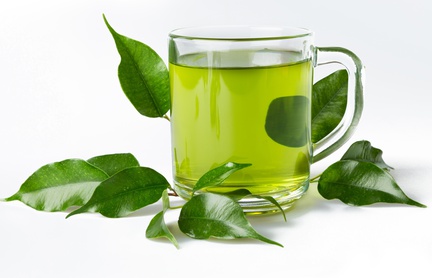
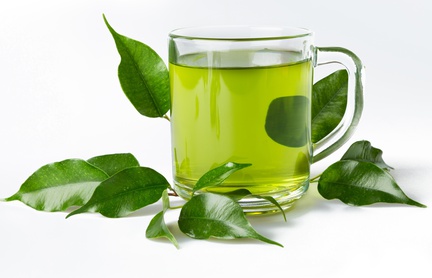
Epigallocatechin gallate: certain studies find that this green tea compound can inhibit the release of histamine from mast cells. I was told not to drink green tea initially, but eventually found that white tea, which is the same leaf but less fermented, went down really well and definitely did something good for my body. I’m not a caffeine person anymore, the days of waking up and knocking back two cans of Pepsi Zero to get by on a few hours sleep while in the field as a journalist are far behind me now, so I tend not to ingest caffeine often. I have considered decaffeinated, but studies suggest that it may have lost 15-25% of polyphenols.
Silibinin frommilk thistle prevents histamine release as well as other inflammatory cytokines from mast cells.
Ellagic acid in pomegranate and mango kernel (among others not considered low histamine foods) stops histamine and other pro-inflammatory agent release from mast cells.
Reservatrol found in grapes, pistachios, blueberries and other higher histamine foods, was found to suppress inflammatory cytokines linked to mast cell disorders, specifically tumour necrosis factor and interleukins.
Curcumin from turmeric presents with anti-allergic activity, mast cell stabilisation (thereby preventing histamine release and others),
Garcinia mangostana (mangosteen) is something I’ve taken as a supplement for years. I’m always more in favour of eating the whole food – but in this case the good stuff is found in the skin. It inhibits histamine release and also prostaglandin D2 sythesis which has been linked to hair loss.
Theanine is another win for green tea. This amino acid can prevent histamine release from cells at a “low concentration”.
You’ll find recipes full of foods with antihistamine and anti-inflammatory properties my books Anti-Recipes and The Anti-Cookbook
Finn, D. F., and J. J. Walsh. “Twenty-first Century Mast Cell Stabilizers.” British Journal of Pharmacology Br J Pharmacol 170.1 (2013): 23-37. Web.
Prieto-Garcia A1, Sloane DE, Gargiulo AR, Feldweg AM, Castells M. (2011) Autoimmune progesterone dermatitis: clinical presentation and management with progesterone desensitization for successful in vitro fertilization. Epub 2010 Nov 18. Mar 1;95(3):1121.e9-13. doi: 10.1016/j.fertnstert.2010.10.038.
“Cinnamic Acid.” Wikipedia. Wikimedia Foundation. Web. 01 May 2016.
Godman, Heidi. “Diet Rich in Resveratrol Offers No Health Boost – Harvard Health Blog.” Harvard Health Blog RSS. 2014. Web. 01 May 2016.
Weng Z, Zhang B, Asadi S, Sismanopoulos N, Butcher A, et al. (2012) Quercetin Is More Effective than Cromolyn in Blocking Human Mast Cell Cytokine Release and Inhibits Contact Dermatitis and Photosensitivity in Humans. PLoS ONE 7(3): e33805. doi: 10.1371/journal.pone.0033805
“Getting the Most Out of Green Tea? – Ask Dr. Weil.” Getting the Most Out of Green Tea? – Ask Dr. Weil. Web. 01 May 2016.
What’s the vagus nerve and why should you care about it? Research on the vagus nerve, which runs from the brain to the stomach, has been coming fast and furious in the last few years since I’ve been reading up on it. The nerve, hereafter referred to as the VG “interfaces” (I quote wikipedia here) with parasympathetic control of the heart and digestive tract.
In short, it’s pretty freaking important because it joins the heart, brain and stomach, which really explains just so much I’ve been trying to work out over the years. I’ve been holding off on sharing all this with you guys because researchers are churning out studies at an alarming rate, each day bringing a slew of new ideas into my inbox. Basically the vagus nerve affects how our brain signals the stomach: research now shows that faulty vagal messaging to the stomach can prevent us from experiencing satiety, thereby causing us to overeat; it affects the rate at which our heart beats, it plays a role in psychiatric disorders, it may be involved in POTS (Postural Orthostatic Tachycardia Syndrome), it’s helping Alzheimer’s patients, reversing rheumatoid arthritis, and researchers definitely believe that it’s a mega player in epilepsy.
Very importantly to us, the VG can prevent inflammatory cytokines involved in mast cell disorders from being synthesised/released, specifically, in the stomach, one of our most common trouble areas. VG stimulation has been shown to reduce histamine-induced itching and a Tufts neuroscientist may have the explanation for why some of us have mast cell/histamine issues to begin with.
(You’ll find all references for this paragraph in the individual points below).
Most importantly, to me, this emerging body of research on the VG goes a long way towards explaining, finally, how the brain talks to the stomach and heart, and why it’s so important to control the messages sent back and forth.
Acetylcholine is the vagus nerve’s neurotransmitter, basically how it communicates with the rest of the body. This isn’t great news for many of us who have been taking Benadryl, Xanax, and various psych and stomach meds (more on that further down in the post) which all inhibit acetylcholine to some degree [1]. But forewarned is forearmed, and there are plenty of alternatives that don’t block this crucial neurotransmitter – your doctor will have more information on those, please do not stop taking any meds in the meantime as it’s dangerous and is waiting a week longer really going to make such a big difference?
Research thus far has focused on stimulating the VG using electrical devices which will go to market in coming years, once they’re approved. Right now there’s one such device in beta testing, but it’s only available if you’re epileptic (I’m sorry I can’t find the email they sent me).
But don’t worry – in a moment I’ll share how we can stimulate vagal function without any space age technology to zap ourselves silly with.
First, the research….
A neuroscientist at Tufts, Michael Van Elzakker, proposes the Vagus Nerve Infection Hypothesis (VNIH), stating that an infection of the vagus nerve, even a minor one (like herpes), triggers a “difficult to detect” immune system response which produces the fatigue in chronic fatigue. Now, maybe I’m reaching here, but by now many of us are aware that histamine/mast cell activation can be secondary to an infection/virus (if not I suggest buying Dr. Diana Driscoll’s book for an explanation), so this theory could conceivably explain the mast cell issues some of us have, especially those of us who struggle with fatigue (as I did for decades). Read more here.
Vagus nerve stimulation can reduce histamine-induced itching [2]
A study in the Journal of the American Academy of Neurology tells us that VG stimulation can reduce histamine-induced itching.
An interesting study in the American Journal of Physiology showed that certain fats can stimulate the VG into regulating the activation of mast cells in the gut.
Stimulation of the vagus nerve fights mast cell induced inflammation [4]
The Feinstein Institute recently published the exciting news that single low magnitude electric pulses to vagus nerve fight inflammation. They found that stimulating the vagus nerve for as little as half a millisecond is enough to inhibit tumour necrosis factor (TNF). TNF is a inflammatory signalling molecule produced by mast cells and others, thereby regulating other immune cells. The Feinstein Institute recently completed a clinical trial on using VG stimulation to treat RA and it currently exploring a similar treatment for Crohn’s.
Vagus nerve stimulation fights or helps prevent depression and other neuropsychiatric conditions [5]
A study in Brain Behaviour and Immunology tells us that vagus stimulation blocks IL-6 dependent hyper excitability induced by stress, which means that VG activation may help prevent or treat neuropsychiatric disease. This ties in with Dr. Theoharides of Tufts research on the mast cell-psych link (read more about that here). This study (and others) suggest “a potential new avenue in the treatment of a large class of hyper excitable neuropsychiatric conditions, including epilepsy, schizophrenic psychoses, anxiety disorders, autism spectrum and depression.”
Vagal stimulation prevents the release of multiple mast cell inflammatory cytokines [6]
Another study published in the journal Nature shares that vagus nerve stimulation can help us fight potentially deadly inflammation that results from our system fighting bacterial infection. The study authors point out that we achieve homeostasis by balancing the activities or pro-inflammatory and anti-inflammatory pathways. Endotoxins, produced by all gram-negative bacteria, activates the immune system, causing them to release inflammation. Acetylcholine, the principal vagal neurotransmitter, significantly prevented the release of TNF, interleukins (IL)-1, (IL)-6 (and others), all key players in mast cell disorders.
Acetylcholine is the primary vagus nerve neurotransmitter. Older generation antihistamines like Benadryl and others including anti-anxiety meds, antidepressants, and others prescribed for gastrointestinal complaints, inhibit this neurotransmitter to some degree. You can ask your doctor for a list and for further advice.
The Journal of Affective Disorders tells us there’s evidence that increased levels of Interleukin 1 and TNF is known to play an important role in Encephalomyelitis/Chronic Fatigue Syndrome (ME/CFS), because activation of inflammatory pathways is known to induce fatigue and somatic symptoms [5].
Vagus nerve stimulation and Alzheimer’s [7]
A small study had patients experiencing an improvement of symptoms through VG stimulation. Alzheimer’s and Parkinson’s have been linked to mast cell activation – see Dr. Theoharides site for more information.
Stimulating the vagus nerve is giving rheumatoid arthritis patients their life back [8]
It’s believed that in contrast to medications for RA, electrical vagus nerve stimulation restores the body’s natural immune function rather than disabling it. The body can then respond normally to infection rather than being more prone to it.
Great – so this all sounds exciting, but how do we apply it without getting cyborg-like implants?
Here are some ideas for you (in no particular order):
1. ACUPUNCTURE
A study in the Journal of Alternative and Complementary medicine showed that traditional acupuncture points may offer vagus nerve stimulation [9].
A study published in the Evidence Based Complementary and Alternative Medicine journal proposes that acupuncture to the ear stimulates the vagus nerve [10].
2. MEDITATION
In a Time Magazine article “The Biology of Kindness” author Maia Szalavitz shared the results of a study published in Psychological Science showing that links being kind and compassionate with enhanced vagus nerve function. Study participants embarked on a six-week course focusing on loving kindness meditations [11].
3. CHANTING
Yes, I mean like OMMMMmmmmmmm. A study by the Department of Psychiatry and the Advanced Center for Yoga and National Institute of Mental Health and Neurosciences in India published in The International Journal of Yoga, found that chanting OM (many youtube videos on this) led to an increase in vagal activation. In short, it was also great for the heart! Ujaii breath, used in yoga practice (again on youtube), offered similar results, but it’s unknown if it was due to vagal stimulation. The long and short of it, whether through vagal stimulation or not, the study showed the same positive outcome to the body as if the vagus nerve was stimulated [12 + 13].
4. PRANAYAMA (yoga breath)
This study in the Journal of Alternative Medicine shared that as “Vagal cardiac and pulmonary mechanisms are linked, and improvement in one vagal limb might spill over into the other. Baroreceptor sensitivity can be enhanced significantly by slow breathing (supported by a small reduction in the heart rate observed during slow breathing and by reduction in both systolic and diastolic pressure). Slow pace bhastrika pranayama (respiratory rate 6/min) exercise thus shows a strong tendency to improving the autonomic nervous system through enhanced activation of the parasympathetic system.” [14] There are many great books and youtube videos on this amazing practice.
5. EAT HEALTHY
Eating a diet that supports proper vagus nerve function…
a. Vitamins B6, B12 and folic acid are needed [15]. I eat a lot of duck eggs, salmon and now am able to take a B12 supplement for the first time in years.
b. Dopamine is needed. Meditate, do yoga, be happy, eat (super duper fresh) fish if you are able to [16].
Finally…
I also asked Joseph Cohen over at SelfHacked for any research he has come across on VG stimulation. He’s heavily invested in researching his genetics and offers paid consultations to read your genetic test results. I’m planning a whole separate post on this but Joseph’s reading of my results led to a complete re-think of my approach to the mast cell (and brain fog) issues I had been dealing with. Basically, stress is my biggest issue and I needed to learn how to control that. You can contact Joseph here.
Joseph’s DIY vagus nerve stimulation tips
ICES/PEMF (R, R2) – use on your gut and brain…I notice my gut flow increases and inflammation is reduced everywhere when I put this on my gut and brain. I believe this is from vagal nerve stimulation, given that we know the vagus nerve is stimulated by magnets. The referenced studies show that as well.
Breathing out as hard as possible or holding your breath for a few seconds (R),
Please remember, even antihistamine and anti-inflammatory foods can hurt us, please always exercise caution and consult a medical practitioner before adding new foods.
As I outline in my first book, a diet rich in vitamin B6, magnesium, copper and other nutrients is necessary in order for our body to produce the histamine-lowering enzyme DAO (diamine oxidase).
But, I neglected to mention another (delicious) source of natural DAO – mainly because I’m not a freaking scientist and I wasn’t sure what I’d found…
I digress.
Many of you write to me (oh so many) asking me if I take DAO supplements. I do not. Then I’m asked if I endorse them. I do not. I did, for a couple of years, take a natural DAO supplement made from a vegetarian source (many of the supps on the market use pork glands). Sadly that DAO supplement never made it to market.
I’m not saying I wouldn’t have continued taking them if they had hit the health food store shelves, but honestly, at that point I had become militantly anti-supplement and took absolutely nothing. I was determined not to mess with my body. I just wanted to give it some time to breathe, to remember how to heal itself:
“Our body is a machine for living. It is organised for that, it is its nature. Let life go on in it unhindered and let it defend itself, it will do more for you than if you paralyse it by encumbering it with rememdies.” – Leo Tolstoy.
I’m a huge fan of this quote, but honestly, there came a time where I wondered if I could speed up the healing process by just adding one or two. And so I did…you’ll find a video on the best supplements I tried here and you can find all of those items in my amazon store.
“I have a number of patients who cannot take these (DAO) supplements because they are allergic to pork, or cannot consume them for religious or cultural reasons. The commercial sources of DAO are derived from pig kidney and those allergic to pork tend to develop quite severe allergic reactions to the products.
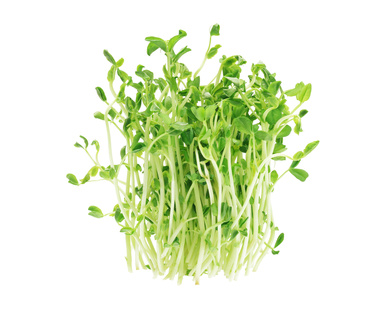
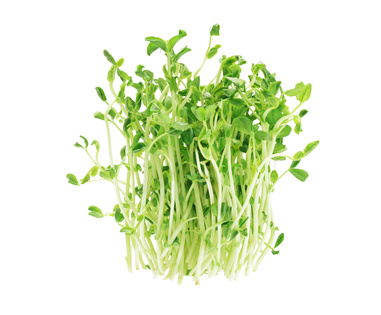
In my research, I have identified a plant source of DAO: pea seedlings. A number of years ago I tried to interest several agencies, including University departments, in conducting research into extracting DAO from pea seedlings and concentrating it into a pill or powder as an alternative to the pork-based products. Unfortunately, none of these considered the project to be worthwhile because they had to weigh the cost of the research against the projected profits from such a product. Yesterday I had a long conversation with a patient who is allergic to pork and had a strong reaction to a DAO supplement. We discussed the possibility of sprouting green peas and consuming the sprouts regularly to determine whether this might help with her histamine intolerance symptoms. I had the intention of cultivating the sprouts from fresh peas myself. Rather fortuitously, I was shopping at my local market this morning and came across pea shoots. I had never seen the product previously. It is sold under the FarmFresh brand. This is a Canadian product made by Nankia Sprouts Corp. In practical terms, of course, it would be much cheaper for a person to sprout the peas themselves, using the same method as used for sprouting mung beans or alfalfa. However, this product could be an alternative for those not interested in going to the extent of cultivating the seedlings themselves.
As you have a large number of histamine-sensitive people who follow your management strategies, I was wondering whether we could enlist their help in determining whether pea seedlings could aid in reducing their symptoms by increasing their DAO from this source. It would be relatively inexpensive, would increase their dietary sources of many nutrients, and be safe as far as adverse reactions are concerned. In addition, this would be the first time that a method of increasing DAO other than the commercial brands of supplements has been attempted.”
I don’t know about you, but eating my medicine has always been my top choice, so this email actually made me squeal with excitement (those of you who have met me know this is a literal description – I have the girliest squeal).
So, hista-sistas and mistas, what do you think? Should we guinea pig ourselves in the name of science?
You know my answer – I’ve been doing it for years!
Be well friends, don’t forget to sign up to my newsletter to be the first to know about upcoming histamine wellness retreats and workshops in Europe and the United States, to get great freebies like antihistamine and anti-inflammatory recipes and lifestyle tips.
The Anti-cookbook, while it doesn’t treat any conditions, due to its high nutrient, antihistamine and anti-inflammatory ingredients, has been instrumental in helping me feed myself on a limited diet. It features a six page list of antihistamine and anti-inflammatory foods. It comes in regular and Paleo.
The Low Oxalate Cookbook features antihistamine and anti-inflammatory rich recipes.
Don’t miss theLow Histamine Beauty Survival Guide for non-toxic beauty tips, the skinny on histamine releasing (mast cell degranulating) beauty ingredients, antihistamine and anti-inflammatory beauty alternatives and the top brands natural brands I’ve found.
If you’ve found this information useful I’d appreciate your support (at no extra cost to you!) – please check out my online store for your health foods, supplements, kitchen items and beauty product purchases. Affiliate sales through my online store go towards maintaining the website, funding travel to interviews and purchasing all the lovely foods for my free online recipes. You’ll find these items in the “Shop with us” drop down menu onmy homepage.
Please don’t forget antihistamine, pain killing foods can still hurt us, so please always check with your doctor before adding new foods to your diet.
GET STARTED HEALING HISTAMINE
WHAT YOU NEED TO KNOW ABOUT HISTAMINE DELIVERED TO YOUR INBOX