Category: Beauty

  • Toxic Nail Polishes Trigger Histamine So Try These Instead

    Toxic Nail Polishes Trigger Histamine So Try These Instead

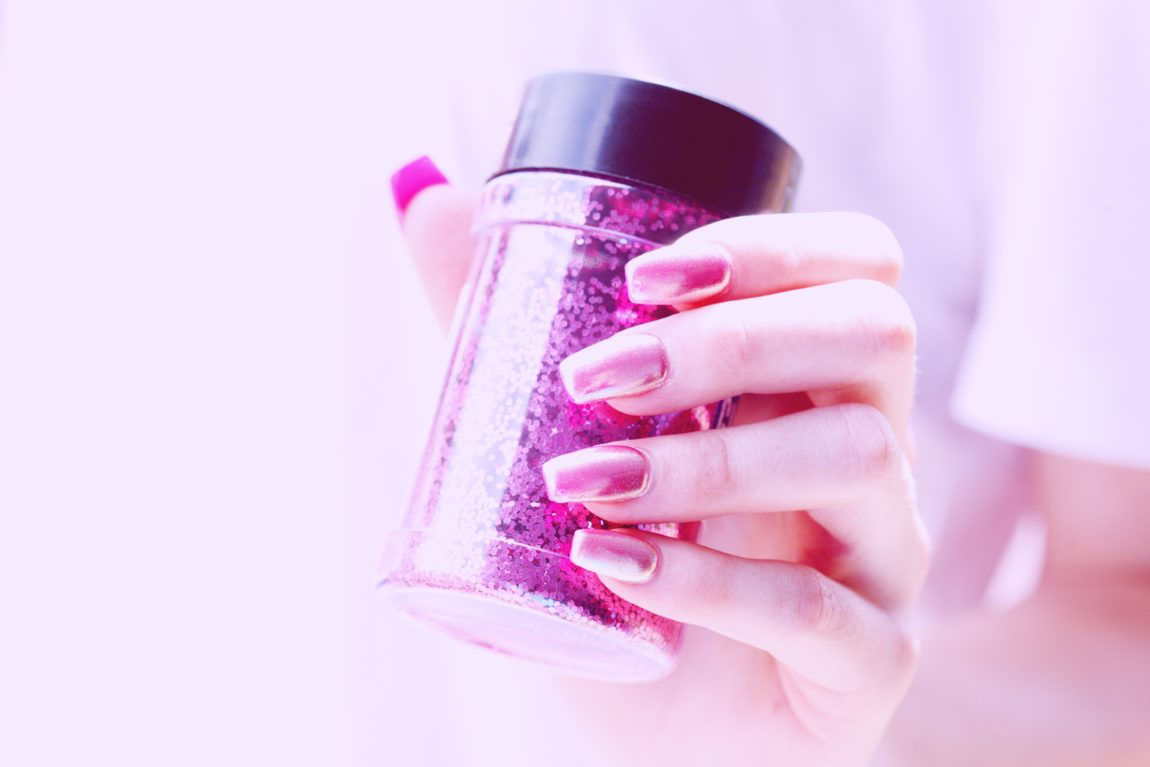
    Summer is that time of year when everyone in the northern states and countries breaks out the flip-flops and sandals after a long winter of boots and shoes and seeks out some fun new nail polish. But do you know what’s in nail polish? There’s a reason why the smell is so potent it can almost knock you out as you step into a salon. It is absolutely toxic and can totally set off symptoms in those with histamine intolerance and mast cell disorders. But — don’t worry; here are some less toxic options you can try, and one that’s totally non-toxic and histamine-friendly. 

    WHAT’S WRONG WITH CONVENTIONAL NAIL POLISH?

    Chemicals. So many chemicals. Some of the worst are called the “Big 3” or the “Toxic Trio” and include dibutyl phthalate (DBP), formaldehyde, and toluene. You’ll also see polishes noted as “Big 5 free” or “Big 6” or “7” or “8” — up to “10 free” as there are so many questionable ingredients in conventional nail polish. Here’s just an overview of the “Big 3.” You can look up the dangers of the others on the Environmental Working Group (EWG)’s Cosmetics Database.

    DBP is a plasticizer, solvent, and fragrance ingredient that is extremely toxic and gets an EWG rating of 10 (out of 10). It’s banned in cosmetics and personal care products in the European Union. DBP is a known hormone disruptor and in animal studies has been shown to cause infertility and problems with sperm development. In humans, it has been associated with changes in the reproductive anatomy of baby boys. In men, it lowers sperm quality, causes negative hormone effects, and leads to infertility. And that’s just a start. This is bad stuff.

    Formaldehyde is also used in nail polish as a hardener. Formaldehyde is a known carcinogen that is especially associated with leukemia. It’s also damaging to your respiratory system and can cause allergic dermatitis. It also gets an Environmental Working Group (EWG) rating of 10 for most toxic.

    Toluene is a petrochemical solvent and paint thinner. Its vapors are highly toxic, with exposures during pregnancy being associated with birth defects, mental retardation, and even spontaneous abortion. This chemical is also toxic to the immune system and is potentially linked to blood cancers like malignant melanoma. It, too, gets an Environmental Working Group (EWG) rating of 10 for most toxic.

    Other toxic chemicals included in nail products include camphor, TPHP, parabens, xylene, ethyl tosylamide, lead, and acetone — plus more listed below.

    4 BETTER OPTIONS

    Acquarella Water-Based Nail Polish

    Acquarella is based in Tucson, Arizona.  Polish does NOT contain: Formaldehyde or Formaldehyde like derivatives, toluene, ketones or any petrochemical solvents, DBP or other phthalates, TPHP, polyurethanes or polyurethane film-formers, parabens or camphor, mercury, lead, FD&C colors or coal tar (Lake) products in their colorants, gluten or wheat by-products, or any aromatic hydrocarbons.

    Acquarella Water Color Girly got an EWG ranking of 1 –their least toxic (BEST) rating. Their polish remover also gets a ranking of 1, which is great.

    RMS Beauty Polish

    Rose Marie Swift (RMS Beauty) is my hero! A trailblazing makeup artist to the world’s supermodels (including Gisele Bundchen) who suffer from chemical sensitivity. RMS Beauty Polish is free of petrochemicals, parabens, DBP, TPHP, toluene, camphor, xylene, formaldehyde, formaldehyde resin, and animal products.

    RMS Beauty Polish has apparently not been ranked by the EWG as of this writing.

    Zoya Nail Polish

    By “Art of Beauty” out of Ohio. Zoya is the name of one of the owners, a cosmetologist by trade who was previously a classical pianist in Russia. She emigrated to the United States with her husband Michael, a chemist who developed the products. Zoya is a “10 Free” formula, without DBP, formaldehyde, formaldehyde resin, toluene, camphor, TPHP, parabens, xylene, ethyl tosylamide, or lead.

    The new products from Zoya have apparently not been ranked by the EWG as of this writing

    Honeybee Gardens, WaterColours, Water-Based Nail Enamel

    Honeybee Gardens is based in Pennsylvania and was started by a 27-year-old herbalist back in 1995. Honeybee Gardens nail polish is water-based rather than solvent based. It does not contain FD&C colors, toluene, DBP, xylene, or formaldehyde, camphor, or benzophenone-1.

    Honeybee Gardens nail polish has apparently not been ranked by the EWG as of this writing.A HELPFUL TIP FOR POLISH COLORS

    Get some clear polish from your favorite non-toxic brand. Take your mineral makeup and tip some out onto a paper. Then just dip your clear nail polish into the mineral powder and spread it on your nails. That way you can get any color you like. You can also use the “100% Pure” brand of makeup.

    NEED MORE BEAUTY TIPS?

    Don’t miss the Low Histamine Beauty Survival Guide for non-toxic beauty tips, the skinny on histamine releasing (mast cell degranulating) beauty ingredients, antihistamine and anti-inflammatory beauty alternatives and the top brands natural brands I’ve found.

    ——REFERENCES/RESOURCES——

    http://honeybeegardens.com/watercolors-nail-enamel/
  • Histamine Intolerance Must Have: Broccoli Oil

    Histamine Intolerance Must Have: Broccoli Oil

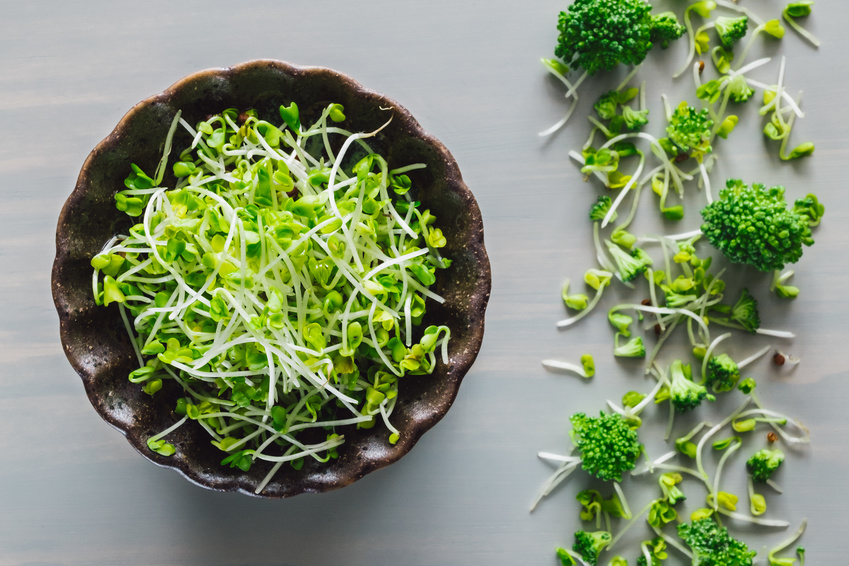
    Oil derived from sprouted broccoli seeds is rich in sulforaphane, a compound known to be highly protective of the skin, but also a natural anti-inflammatory agent that may be helpful for those of us who are healing histamine intolerance and accompanying signs and symptoms like inflammation and sunlight sensitivity.

    BROCCOLI FOR HISTAMINE

    I already loved whole broccoli for its high Vitamin C content, antioxidants, hormone-balancing capabilities (via the compound indole-3-carbinol), fiber, and versatility in cooking. When I learned more about the compound, sulforaphane, present in broccoli and other cruciferous vegetables (and highest in broccoli sprouts) I loved it even more.

    The Vitamin C in broccoli already makes it a great antihistamine vegetable to include in your healing histamine diet. But the sulforaphane takes it up to the next level. Not only does sulforaphane act as an antihistamine, but it also has evidence of helping with neurodegenerative diseases, cancer, cardiovascular diseases, inflammatory conditions, and more. It is a powerful compound to include on a regular basis. And if you want to get the most bang for your buck, broccoli sprouts are the way to go. After all, each sprouted seed has all the nutrients and information needed for the growth of an entire broccoli plant. You’d have to eat a lot of broccoli to keep up with the sulforaphane you’d get from just a small handful of sprouts.

    And an oil from the sprouted broccoli seeds makes sulforaphane even easier to include on a regular basis.

    A SULFORAPHANE-RICH OIL

    Broccoli seed oil has been found to be rich in sulforaphane. We already know this compound is highly beneficial to the body — but how do we get it in? The nice thing about having a sulforaphane-rich oil rather than just the whole broccoli or broccoli sprouts is that the oil can be applied topically, as well as ingested. Studies have shown that sulforaphane does indeed enter the body transdermally — right through the skin cells and into the bloodstream. And not only can we get it into our bloodstream via the skin — It actually protects the skin.

    Broccoli oil has been shown to protect the skin from damaging UV rays –not by acting as a sunblock or sunscreen, but by increasing protective enzymes in the skin, helping the skin cells protect themselves. This means it doesn’t matter if it washes off. The effects last for several days, rather than a few hours. And the protection remains even after the broccoli oil is no longer on the skin.

    Additionally, its high linoleic acid content helps promote the production of ceramides in the skin. Translation: this oil is also anti-ageing.

    OTHER BENEFITS OF BROCCOLI OIL

    Broccoli oil has long been my go-to hair styling product. Usually, someone with very curly hair, as I have, would rely on silicone based hair styling oils to tame the frizz. While silicones aren’t particularly hazardous to health, they are kind of like putting plastic wrap on your hair and skin. –They don’t let you “breathe.” They can also tend to trap bacteria and oils in when you probably don’t want them there. And since silicones aren’t biodegradable, the cumulative use of these products isn’t great for the environment, either. I had read years ago that this oil mimics silicone when applied to hair, and yup, it totally works on frizz and does it better than the silicone products it replaces.

    So, it’s an anti-ageing skin oil, a hair taming oil, and a topical source of sulforaphane for antihistamine, anti-inflammatory effects. What more could a girl want?

    HOW TO USE BROCCOLI SEED OIL

    I’ve already talked about a few great uses for broccoli oil, but here are some specifics. Definitely keep it in by your bathroom mirror so it’s handy for hairstyling in the morning and to add to your moisturising skin routine at night. You can include the broccoli oil along with one or two of these other great antihistamine & anti-ageing oils.

    If you want beautiful, silky smooth hair without any extra effort, you can add a few drops of broccoli seed oil to your favorite conditioner. Then leave the conditioner in your hair a few minutes while in the shower, and you’ll have a shine-enhancing, deep conditioning treatment that rivals a high-end salon or spa.

    If you want to easily add some sulforaphane to your diet, add a few drops to your morning juice or smoothie. You can also easily add a couple drops to your histamine-fighting olive oil-based salad dressing. You can even just add the drops on an entire bottle of extra virgin olive oil so that without thinking about it you automatically have sulforaphane-infused oil for your salads.

    PRECAUTIONS

    Keep in mind that if you have allergic or other reactions to broccoli or thiols, you may also react to broccoli seed oil.

    ——-REFERENCES——

    Akhlaghi, M. & Bandy, B. (2010). Dietary broccoli sprouts protect against myocardial oxidative damage and cell death during ischemia-reperfusion. Plant Foods for Human Nutrition, 65(3):193-9. doi: 10.1007/s11130-010-0182-4.

    Bahadoran, Z., Mirmiran, P., & Azizi, F. (2013). Potential efficacy of broccoli sprouts as a unique supplement for management of type 2 diabetes and its complications. Journal of Medicinal Food, 16(5), 375-82. doi: 10.1089/jmf.2012.2559. Epub 2013 Apr 30.

    Johns Hopkins Medical Institutions. (2007, October 23). Broccoli Sprout-derived Extract Protects Against Ultraviolet Radiation. ScienceDaily. Retrieved May 20, 2018 from www.sciencedaily.com/releases/2007/10/071022171929.htm

    Price, Annie. “Broccoli Seed Oil: The Next ‘It’ Oil for Anti-Aging?” Dr. Axe, 5 Sept. 2017, draxe.com/broccoli-seed-oil/. Accessed 20 May 2018.

    Royston, K. J., & Tollefsbol, T. O. (2015). The Epigenetic Impact of Cruciferous Vegetables on Cancer Prevention. Current Pharmacology Reports, 1(1), 46–51. http://doi.org/10.1007/s40495-014-0003-9

    Sikdar, S., Papadopoulou, M., & Dubois, J. (2016). What do we know about sulforaphane protection against photoaging? Journal of cosmetic dermatology, 15 1, 72-7.

    Tarozzi, A., Angeloni, C., Malaguti, M., Morroni, F., Hrelia, S., & Hrelia, P. (2013). Sulforaphane as a Potential Protective Phytochemical against Neurodegenerative Diseases. Oxidative Medicine and Cellular Longevity, 2013, 415078. http://doi.org/10.1155/2013/415078

  • 5 Antihistamine & Anti-Ageing Collagen Boosting Oils

    5 Antihistamine & Anti-Ageing Collagen Boosting Oils

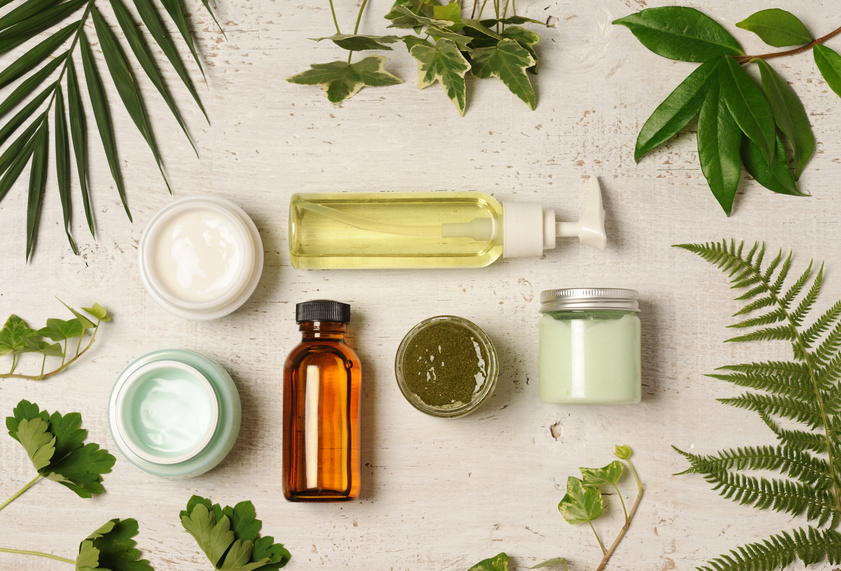
    green cosmetic arrangement

    Here are my top choices for a natural anti-ageing boost that’s also antihistamine and anti-inflammatory. For a time I was convinced that caring about something so shallow, as caring about the way I looked, had a place in my life. Thankfully I realised that there was a balance to be struck between slathering layers of chemicals onto myself, in an effort to feel a bit better, despite the health turmoil I was facing. Now I’m just excited that the mirror now reflects the happiness and contentment I feel. 

    Please remember even foods and natural products with antihistamine and anti-inflammatory benefits can be problematic. 

    Moringa Oil

    I’ve been a mega fan of the moringa plant since discovering it in Bangkok. Nothing beats it as a moisturiser or balm for soothing cracked and upset skin. It has antihistamine and anti-inflammatory properties and makes an excellent make up remover. Moringa has anti-ageing benefits for the skin and may reverse UV damage. We can of course also use moringa powder in green smoothies.

    Pomegranate seed oil

    This fruit seed has incredible anti-ageing benefits relating to its encouragement of hyaluronic acid production, and cell turn over. It also happens to be a mast cell stabiliser (which means it can prevent histamine release). The good stuff is in the seeds and also in the skin. It’s very high in sugar as a juice (which I don’t recommend).Sea Buckthorn Oil

    This antihistamine oil was found to prevent mast cells from releasing histamine into the bloodstream. It prevents UV damage, resolves acne resulting from inflammation, and treats hyper-pigmentation.

    CLICK HERE FOR A FOUR WEEK HISTAMINE RESET WITH MEAL PLANNERS, STRESS RELIEF STRATEGIES & MORE

    Broccoli seed oil

    This as always been my go to styling product. I have very, very, curly hair, that required ample amounts of silicone based styling oils. Now that’s all in the past of course. I had read years ago that this oil mimics silicone when applied to hair, and yup, it’s a total frizz fixer. It’s actually even better at it that the synthetics.

    According to Dr. Axe, this oil prevents UV damage from the sun, and is high in linoleic acids, which promotes ceramide synthesis. These regulates skin cells and plump up the skin. This oil is also rich in sulforaphane, an incredibly healing compound that acts as an antihistamine.

    Kudzu and probiotic

    This Japanese root can be found at most health food stores and online. It’s tradiitonally used in foods and make up. When mixed with a probiotic, in one study Bifidobacterium Breve was used, it boosts hyaluronic acid (HA) production as effectively as topically applied Retin-A (retonoic acid). HA is what doctors use to plum lips and faces with. I’ve been using this mixture for quite some time and love it.

    Don’t forget, my ebooks are full of recipes made up of the foods with antihistamine and anti-inflammatory properties.

    You’ll find recipes full of foods with antihistamine and anti-inflammatory properties my books Anti-Recipes and The Anti-Cookbook

    ——-REFERENCES——

    Mahajan, S G, and A A Mehta. “Inhibitory Action of Ethanolic Extract of Seeds of Moringa oleifera Lam. On Systemic and Local Anaphylaxis.” Journal of immunotoxicology., U.S. National Library of Medicine, Oct. 2007, www.ncbi.nlm.nih.gov/pubmed/18958739. Accessed 11 Sept. 2017.

    Wen, K C, et al. “Comparison of Puerariae Radix and its hydrolysate on stimulation of hyaluronic acid production in NHEK cells.” The American journal of Chinese medicine., U.S. National Library of Medicine, www.ncbi.nlm.nih.gov/pubmed/20128051. Accessed 11 Sept. 2017.

    Ali, Atif, et al. “Enhancement of human skin facial revitalization by moringa leaf extract cream.” Advances in Dermatology and Allergology/Postȩpy Dermatologii i Alergologii, Termedia Publishing House, May 2014, www.ncbi.nlm.nih.gov/pmc/articles/PMC4112252/. Accessed 11 Sept. 2017.

    Price, Annie. “Meet Your New Wrinkle Fighter: Broccoli Seed Oil’s Sulforaphane Up-Regulates Enzymes that Protect Skin Against UV Radiation.” Dr. Axe, 5 Sept. 2017, draxe.com/broccoli-seed-oil/. Accessed 11 Sept. 2017.

    Rédei, D, et al. “Bioactivity-Guided Investigation of the Anti-Inflammatory Activity of Hippophae rhamnoides Fruits.” Planta medica., U.S. National Library of Medicine, www.ncbi.nlm.nih.gov/pubmed/28662529. Accessed 11 Sept. 2017.

  • How Histamine Affects Skin Pigmentation

    How Histamine Affects Skin Pigmentation

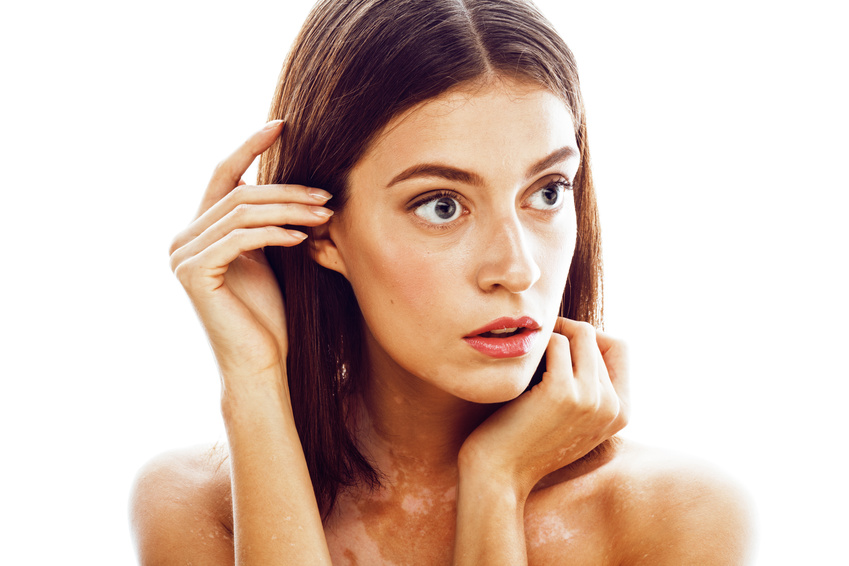
    beautiful young brunette woman with vitiligo disease close up isolated on white positive smiling, model problems concept, bad tan real problem

    Histamine affects skin pigmentation in a numbers of ways: my two old buddy’s melasma and vitiligo. You know those patches of dark skin on your face that are barely covered by make up, get worse when exposed to the sun, and are aggravated by pregnancy hormones? Yeah, we have histamine and mast cells to thank for those. On the flip side we have the autoimmune skin condition vitiligo, which causes white patches to develop all over. I don’t know about you, but my skin hyper-pigmentation has been a constant source of frustration, so I decided to take a closer look into both. 

    MELASMA

    Sadly I couldn’t find any rights-free photos of this, and I’m far too vain to share any make up free shots of myself, so I’ll just explain. Melasma looks kind of like you didn’t scrub your face right and dirt or bronzing powder got left behind.

    Fun right?

    A number of studies tell us that histamine is a major melasma trigger. It seems that the release of histamine by skin mast cells, as triggered by ultraviolet light, causes these brown patches on the skin.

    What about the hormone link? Yes, pregnancy hormones and birth control are involved, and I’ll be covering them in upcoming posts on the subject. Make sure to sign up to my mailing list so you don’t miss them. But other than the histamine-hormone interplay, other studies have found that histamine and prostaglandins (both released by mast cells) are the primary drivers of sunburn, which is why topical antihistamine cream has become a home care mainstay.

    I’ve personally always used a piece of fresh aloe vera plant. You pretty much can’t walk more than a few steps without seeing it where I grew up in Spain, so I’d just break off a piece to nurse my poor skin on the way home from the beach. In my defence we knew little about skin cancer back in those days…

    An animal study in the BMC Dermatology Journal found that silymarin cream (milk thistle) effectively treated melasma. The study authors believe that the milk thistle is reversing sunlight damage generally, not just the melasma pigmentation.

    Their before and after milk thistle treatment photos were so amazing that they’ve had me frantically rubbing Herb Pharm’s pure extract into my face nightly. I’m impressed so far…

    VITILIGO

    The Mayo Clinic website tells us that vitiligo is triggered when cells stop producing melanin, the stuff that pigments our skin, hair, and eyes. So far we know that an immune system response, exposure to stress or chemicals, and sunburn can cause it. Complications are sunburn and skin cancer, eye inflammation, hearing loss, and of course, stress.

    People with vitiligo are advised to wear sun protection of at least 30SPF and to get their hearing professionally tested. Possible treatments include topical steroid creams that may help re-pigment the skin, topical vitamin D, calcineurin inhibitors (which may trigger lymphoma and skin cancer), ultraviolet light therapy (also skin cancer risk), de-pigmentation of the rest of the skin and skin grafting.

    Read my post on vitamin D and histamine here.

    The histamine/mast cell link

    A 2013 study found that blood histamine level appears to play a significant role in a particular type of vitiligo that’s linked to de-pigmented patches with itching.

    My own vitiligo finally cleared up a few years ago. It was never very visible, just a de-pigmentation around my hands that was slowly creeping upwards. I have dealt more with melasma, and still do!

    Interestingly, for other types of vitiligo, histamine may be a treatment. A 2010 study found that histamine release in the body triggered by bee venom may be able to add pigment back to the skin.

    A few other options worth looking into

    Melanin, the skin pigment stuff, is created by melatonin. I wrote about melatonin recently and how supplementing it may help prevent mast cells from leaking histamine. Read the post here.

    A study with a small sample size found that patients with non-segmental vitiligo, which is what it’s called when the patches are symmetrical, melatonin was lower than the average. They point out that melatonin is one of the links in the body’s stress defence mechanism and that it also helps modulate immune system function. They concluded that further research was needed.

    The Mayo Clinic website also shares that some studies show that Gingko biloba may help return colour in people with slow spreading vitiligo and other studies that folic acid and vitamin B12 may help.

    It’s finally here! Man Food – a high nutrient antihistamine and anti-inflammatory ingredient filled book geared towards guys, women who love to work out, yoga like they mean it, or just load up on healing nutrients. Features my personal shopping list of antihistamine and anti-inflammatory foods.

    The Anti-cookbook and all liquid Anti-Detox Book, don’t treat any conditions, but feature a plethora of the high nutrient antihistamine and anti-inflammatory ingredients that have been instrumental in helping me feed myself on a limited diet. The Anti-cookbook features a four page list of antihistamine and anti-inflammatory foods and comes in regular and Paleo.

    The Low Oxalate Cookbook features antihistamine and anti-inflammatory rich recipes.

    Don’t miss the Low Histamine Beauty Survival Guide for non-toxic beauty tips, the skinny on histamine releasing (mast cell degranulating) beauty ingredients, antihistamine and anti-inflammatory beauty alternatives and the top brands natural brands I’ve found.

    Take a peek at my other low histamine and antihistamine cookbooks for more high nutrient recipes

    ——REFERENCES—–

    “Vitiligo Treatments and drugs.” Mayo Clinic. N.p., n.d. Web. 24 Mar. 2017.

    “What is segmental & non-segmental vitiligo?” Vitiligo Cover. N.p., 23 Jan. 2017. Web. 24 Mar. 2017

    Panja, Salilkumar, Biman Bhattacharya, and Siteshchandra Lahiri. “Role of histamine as a toxic mediator in the pathogenesis of vitiligo.” Indian Journal of Dermatology 58.6 (2013): 421. Web.

    Brenner, Michaela, and Vincent J. Hearing. “Modifying skin pigmentation – approaches through intrinsic biochemistry and exogenous agents.” Drug Discovery Today: Disease Mechanisms 5.2 (2008): n. pag. Web.

    Kwon, Soon-Hyo, Young-Ji Hwang, Soo-Keun Lee, and Kyoung-Chan Park. “Heterogeneous Pathology of Melasma and Its Clinical Implications.” International Journal of Molecular Sciences 17.6 (2016): 824. Web.

    Kim, Nan-Hyung, and Ai-Young Lee. “Histamine effect on melanocyte proliferation and vitiliginous keratinocyte survival.” Experimental Dermatology 19.12 (2010): 1073-079. Web.

    Gilchrest, Barbara A., Nicholas A. Soter, Jeffrey S. Stoff, and Martin C. Mihm. “The human sunburn reaction: Histologic and biochemical studies.” Journal of the American Academy of Dermatology 5.4 (1981): 411-22. Web.

    Hernández-Barrera, R., B. Torres-Alvarez, J. P. Castanedo-Cazares, C. Oros-Ovalle, and B. Moncada. “Solar elastosis and presence of mast cells as key features in the pathogenesis of melasma.” Clinical and Experimental Dermatology 33.3 (2008): 305-08. Web.

    Altaei, Tagreed. “The treatment of melasma by silymarin cream.” BMC Dermatology 12.1 (2012): n. pag. Web.

  • Histamine friendly cleansers and bath products

    Histamine friendly cleansers and bath products

    springer spaniel dog in the bath tub

    When people tell me they’re still highly reactive no matter what dietary, stress busting, or lifestyle changes they make, I immediately suggest looking at bath and beauty products. My reactions to these were so very severe that they resulted in near immediate migraine, buzzing in my head, feet and fingers, hives and what looked like acne. Over the years my tolerance has improved greatly, to the point that I can once again use scented products (very natural scents) and use some chemicals. That might not seem like much, but just a few years ago I wasn’t able to use shampoo, body wash or deodorant. Though I can tolerate nasty stuff now, I don’t use it.

    Click here to learn how to tailor a histamine balanced diet and healing plan to your lifestyle.

    So here’s a list of my favourite histamine-friendly cleansing products.

    Because people always ask me where they can buy things I talk about, I added the amazon links here. Please feel free to ignore them and find them on your own somewhere else.

    Before we kick things off, may I please ask someone why on earth I’m paying for what’s NOT in my products and food? Yes, yes, quality, blah blah, but really, not everyone who buys organic foods and beauty products are millionaires devoted to a life of hedonism. I’m certainly not. I seem to spend almost every penny I earn on food and keeping myself clean…

    If you have products you love and think should be on this list, please share below and I’ll add them here. I’ll then pin this list in the navigation for those who wish to refer to it. Please remember, I can’t predict what will work for you. Just because I’m ok with something there’s no guarantee everyone else will be, but these are products that I’ve trialled and researched and found to be the most likely to work for us.

    And finally, a note on higher histamine ingredients than may appear on my list: while tomato extract may be in a 100 percent pure body wash, I’ll take it any day over decyl-sulfer-methu-chemical-name-gmo-bla-bla, any day.

    So here’s what’s currently in my bathroom cupboard:

    100 Percent Pure Mint Green Tea Cleanser and also the Cucumber cleanser

    This brand has the most AMAZING products. I use their mascara, eyeshadows, shampoos, everything! I use the unscented cucumber cleanser daily and the Green Tea one every few days. They’re both really effective and gentle on the skin. I use mine with a face brush for extra exfoliation.

    [AMAZONPRODUCTS asin=”B0042PE9YC”]

    Andalou Naturals Willow Bark Toner

    A recent find at my local health food store. This brand has the most incredible natural ingredients and plant stem cells (I have no clue if this is just sales hype but their products are really special). This toner is an absolute must for my oily skin. I keep a travel size of it in my handbag in case I need to refresh my foundation while away from home. It’s funny, I still vividly remember the days of scrubbing myself raw with a loofah, sea salt and water, and now here I am, using toner!

    [AMAZONPRODUCTS asin=”B00B7V4DTU”]

    Incognito (unscented) Activated Charcoal Soap

    I came across this soap when I ran out of the small suitcase of dead sea bath soap I brought with me from London. It only has a handful of (natural) ingredients and is great for face and body. If this doesn’t take your fancy, check out the Kiss My Face Olive Oil soap. It’s pure olive oil, nothing else. Incognito are perhaps better known as a company for their natural citronella mosquito spray. I pack that with me when traveling anywhere warm.

    [AMAZONPRODUCTS asin=”B01AVIQ9SC”]

    Green People toothpaste

    So my other suitcase from London was half full of this toothpaste. I struggled for years with a severely swollen throat that sent me to the ER a number of times. Turns out that toothpaste was a huge part of the problem. When I finally researched the ingredients online I realised why. My immune system is just more active and ready to fend off perceived invaders than most people’s, so I need to take extra care. While in the past this meant totally avoiding pretty much everything on the planet, now it’s a much more balanced approach consisting mostly of not using processed products and chemicals.

    [AMAZONPRODUCTS asin=”B0013G3C28″]

    Earth Paste

    Now this stuff is available in the US. It’s also nearly twice as expensive. Please, please, please share some of your favourites so I don’t have to plan my toothpaste purchases a month in advance from another country.

    [AMAZONPRODUCTS asin=”B00VQU2PCY”]

    100 Percent Pure Honey & Coconut Shampoo and Conditioner

    These are the products I broke my no-poo cherry with. After having tossed out my shampoo for a year (because of horrible itching, dermatitis and hair loss mind you), I gingerly diluted some of this stuff and quickly rinsed my scalp in it. Success! I was fine with it and so began my love affair with this brand. I now use their Yuzu shampoo, but it definitely has more scent. I wasn’t ok with it when I first tried it, but I persevered and now am totally into it.

    [AMAZONPRODUCTS asin=”B00JH31B54″]

    Nourish Organic Unscented Body Wash

    I’m totally cool with light, natural scents (rather than natural perfume/parfum which is anything but), but I’ve added this here because it’s a good bridge product. Their other cleaners aren’t bad either if you’re looking for unscented.

    [AMAZONPRODUCTS asin=”B008N1RYOS”]

    Schmidt’s Unscented Deodorant

    As my understanding of chemical names evolved over the years I realised the tricks cosmetic companies play in trying to cover up the nasty stuff. Things like aluminium and propylene glycol are just not meant to go under my arms. While this isn’t the strongest stuff on the planet, it sure beats the coconut oil I used to rub under there every 30 minutes.

    [AMAZONPRODUCTS asin=”B018K3RMUY”]

    Cleanwell Thyme Hand Sanitiser

    I’m not a big believer in using these products but traveling demands it. I use this stuff on planes, trains and when riding in a car service. It has a couple of ingredients I’m not crazy about so I rinse it off my hands right after spraying. It is the best I’ve found out there, short of carrying a little pot of Manuka honey around (which I’ve done in the past!)

    [AMAZONPRODUCTS asin=”B000IZ8LIK”]

    It’s finally here! Man Food – a high nutrient antihistamine and anti-inflammatory ingredient filled book geared towards guys, women who love to work out, yoga like they mean it, or just load up on healing nutrients. Features my personal shopping list of antihistamine and anti-inflammatory foods.

    The Anti-cookbook and all liquid Anti-Detox Book, don’t treat any conditions, but feature a plethora of the high nutrient antihistamine and anti-inflammatory ingredients that have been instrumental in helping me feed myself on a limited diet. The Anti-cookbook features a four page list of antihistamine and anti-inflammatory foods and comes in regular and Paleo.

    The Low Oxalate Cookbook features antihistamine and anti-inflammatory rich recipes.

    Don’t miss the Low Histamine Beauty Survival Guide for non-toxic beauty tips, the skinny on histamine releasing (mast cell degranulating) beauty ingredients, antihistamine and anti-inflammatory beauty alternatives and the top brands natural brands I’ve found.

    Take a peek at my other low histamine and antihistamine cookbooks for more high nutrient recipes

  • Paleo Beauty

    Paleo Beauty

    yasmina ykelenstam sitting on a bench

    Not on the paleo diet? You don’t have to be to enjoy their uber clean beauty and bath products which are some of the best on the market. Having recently attended the Paleo FX conference in Austin, I can tell you there’s some exciting products you should check out. Please head over to my wonderful friend Clemence’s website for a round up of the most exciting healthy products you’ll want to know about. There’s everything from toothpaste to a super clean probiotic skin spray and more.

  • Allergy symptoms and hair loss (but don’t forget iron)

    Allergy symptoms and hair loss (but don’t forget iron)

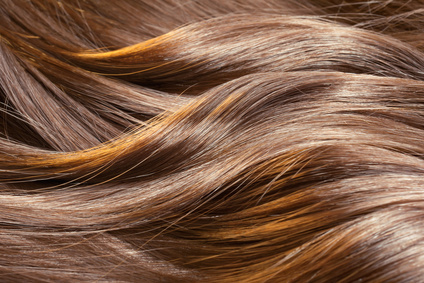
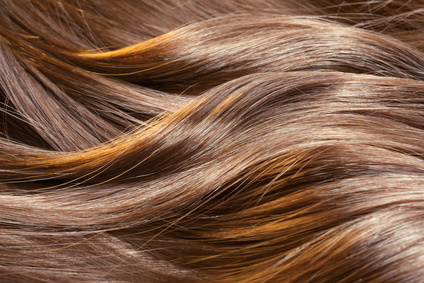
    Beautiful healthy shiny hair texture with highlighted golden streaks

    Those with hair loss combined with allergy like symptoms who do not test positive for allergies (via IgE) may have high levels of inflammatory mediators like histamine, prostaglandins and/or interleukins. These inflammatory molecules are found in mast cells in the human body and are usually released as needed, but those with chronic allergies, high overall IgE level, histamine intolerance, mast cell activation, mastocytosis and other inflammatory medical conditions may have disturbances in mast cell function, thereby causing excess inflammation and hair loss. There’s a number of ways to tackle this, including some exciting news about a natural oil that’s more effective than minoxidil at promoting hair growth.

    All references further down in the post. 

    There’s many different kinds of hair loss so it’s best to get to a doctor, but here are a few types that are specifically linked to inflammation:

    Prostaglandin D2 specifically has been implicated in male pattern hair loss (and hair loss generally) [1]. Interleukins and high IgE levels have been linked to alopecia areata, which is characterised by “either patchy hair loss or more generalized alopecia that results in complete loss of scalp hair” [2,3,4] and also with telogen effluvium, a diffuse hair loss that may not manifest until two to three months after exposure of the scalp to an allergen, or after a sudden shock/trauma, or sudden decrease in caloric intake [5].  Interestingly a study published in the American Journal of Pathology in 2003 found that stress caused telogen effluvium hair loss in mice via mast cell activation specifically [6]. A study in China found that alopecia areata progression can be predicted according to the mast cell activity in scalp biopsy [7].

    It’s always exciting when I find that something that I’ve been writing about for a while is effective for more than I’ve been using. In this study published in 2013 in the Journal of Cosmetics, Dermatological Sciences and Applications, found that nigella sativa, a key component of many of my nutrient dense antihistamine and anti-inflammatory ingredient rich recipes has been shown to be effective in treating telogen effluvium when applied topically [8]. It’s a small sample of patients, 20 in total. The 10 treated with antihistamine nigella sativa applied the lotion for three months. The results showed a significant improvement in seven of the patients treated with the nigella.

    Apples meanwhile, another mainstay of my diet, not only are rich in antihistamine quercetin, but also in procyanidin B-2, which researchers in a study published in the British Journal of Dermatology in 2002 found promotes hair growth [9].

    A number of studies have also shown green tea to promote hair growth [10] but most excitingly, peppermint oil rubbed into the scalp has been shown to be more effective than minoxidil at promoting hair growth [11]. Peppermint oil has a number of contraindications and is thought to lower testosterone levels so many not be appropriate for males. Please visit the University of Maryland website to read up on it. 

    It’s not my intention for this post to provide a complete round up of everything that can cause hair loss. I do recommend getting a comprehensive vitamin and mineral, autoimmune and thyroid panels to rule out the obvious deficiencies and potential causes which have been covered  on other blogs.

    Most specifically, something threw me recently while researching why my own normally lustrous mane was looking a little anemic (if you’ll forgive the coming pun). It seems that what is considered a “normal” serum ferritin level, is considered by trichologists (hair doctors) to be woefully inadequate and a frequent cause of hair loss (see below for attribution). A number of studies agree with them: finding that low iron stores (serum ferritin) are associated with hair loss [12, 13, 14].

    As I am always trying to go vegan again (for love of the animals), I had again completely cut a source of vitamin B12 and iron without considerably upping my intake of non-heme iron or adding in a B12 supplement. Both were still in normal (but low) range. I began a vegan B12 spray just because that’s what smart vegans are supposed to do and though not actually vegan I eat so little animal protein that it seemed worth the effort to get my body to accept it again. It took a couple of months but my body and B12 supps are now simpatico.

    I neglected the iron however and while my hair suddenly sprouted in thickness, that hair reached about half an inch before suddenly shedding again.

    Interestingly I also found a study  linking high serum ferritin with inflammation [15]. It seems that high levels are indicative of various inflammatory conditions including chronic kidney disease and is often seen together with elevated interleukin and c-reactive protein. 

    Then I came across the Philip Kingsley (hair doctor) website for the first time in years since my frantic research on the issue in 2010. Back then going low histamine, binning the shampoo and taking mangosteen supplements to stabilise mast cells and lower prostaglandin D2 levels  was enough. The Kingsley site informed me that while a general practitioner would consider a serum ferritin level of 14-170 micrograms per litre normal, research at the Philip Kingsely practice has found that anything under 80 ug/L (micrograms per litre) in women could cause or contribute to hair loss [16]. My mother went to the clinic in the 1970s after giving birth to me so I imagine they have quite a bit of research on this that has been conducted in the last 40 years or so…

    I began taking spatone iron water daily and at two weeks I noticed my hair had not only sprouted but continued to grow. Oh happy day. The mystery of the thinning hair has once more been resolved, but hey, there’s all kinds of fun to be had with age related hormonal fluctuations one day to look forward to.

    But iron supplementation isn’t on the cards for me long term. Dr. Fuhrman and others tell us that iron is an oxidant and feeds cancer cells [17].

    A few iron rich foods I am upping my intake of (via nutritondata nutrient search tool):

    (% RDA)

    1 cup chickpeas 26%

    1 tbsp spirulina 11%

    1 tbsp tahini 17%

    28g agar 33%

    28g chives 31%

    1 cup pistachio 29%

    100g cacao 81% (Hmmm, I’d like to think this is why I’m always craving it, but realistically, not!)

    And if you’re eating meats: 100g calf liver 36%

    I do speculate however that the cause of my hair loss back in 2010 may have been caused by the sudden restriction in calories that many of us on the histamine elimination diet undertake.

    It’s finally here! Man Food – a high nutrient antihistamine and anti-inflammatory ingredient filled book geared towards guys, women who love to work out, yoga like they mean it, or just load up on healing nutrients. Features my personal shopping list of antihistamine and anti-inflammatory foods. 

    The Anti-cookbook and all liquid Anti-Detox Book, don’t treat any conditions, but feature a plethora of the high nutrient antihistamine and anti-inflammatory ingredients that have been instrumental in helping me feed myself on a limited diet. The Anti-cookbook features a six page list of antihistamine and anti-inflammatory foods and comes in regular and Paleo. 

    The Low Oxalate Cookbook features antihistamine and anti-inflammatory rich recipes. 

    Don’t miss the Low Histamine Beauty Survival Guide for non-toxic beauty tips, the skinny on histamine releasing (mast cell degranulating) beauty ingredients, antihistamine and anti-inflammatory beauty alternatives and the top brands natural brands I’ve found.

    Take a peek at my other low histamine and antihistamine cookbooks for more high nutrient recipes and sign up to my mailing list for freebies. 

    ———– REFERENCES———

    [1] PROSTAGLANDIN D2 POST

    [2] http://www.hindawi.com/journals/mi/2010/928030/

    [3] http://www.ncbi.nlm.nih.gov/pubmed/23075639

    [4] http://www.ncbi.nlm.nih.gov/pubmed/17010262

    [5] http://www.ncbi.nlm.nih.gov/pubmed/23075639

    [6] http://archderm.jamanetwork.com/article.aspx?articleid=478194

    [7] http://www.hindawi.com/journals/mi/2010/928030/

    [8] http://www.nature.com/jid/journal/v133/n5/full/jid2013110a.html

    [9] http://www.ncbi.nlm.nih.gov/pubmed/8664805

    [10] http://www.ncbi.nlm.nih.gov/pubmed/11841365

    [11] http://www.ncbi.nlm.nih.gov/pmc/articles/PMC4289931/

    [2] http://www.ncbi.nlm.nih.gov/pmc/articles/PMC1868104/

    [13] http://www.scirp.org/journal/PaperInformation.aspx?paperID=35882

    [14] http://www.ncbi.nlm.nih.gov/pubmed/17951130

    [15] http://www.ncbi.nlm.nih.gov/pubmed/18922994

    [16] http://www.philipkingsley.com/hair-guide/healthy-hair-nutrition/anaemia-iron-deficiency/

    [17] http://www.ncbi.nlm.nih.gov/pubmed/16173333

  • Hiram Green: nature’s perfume

    Hiram Green: nature’s perfume

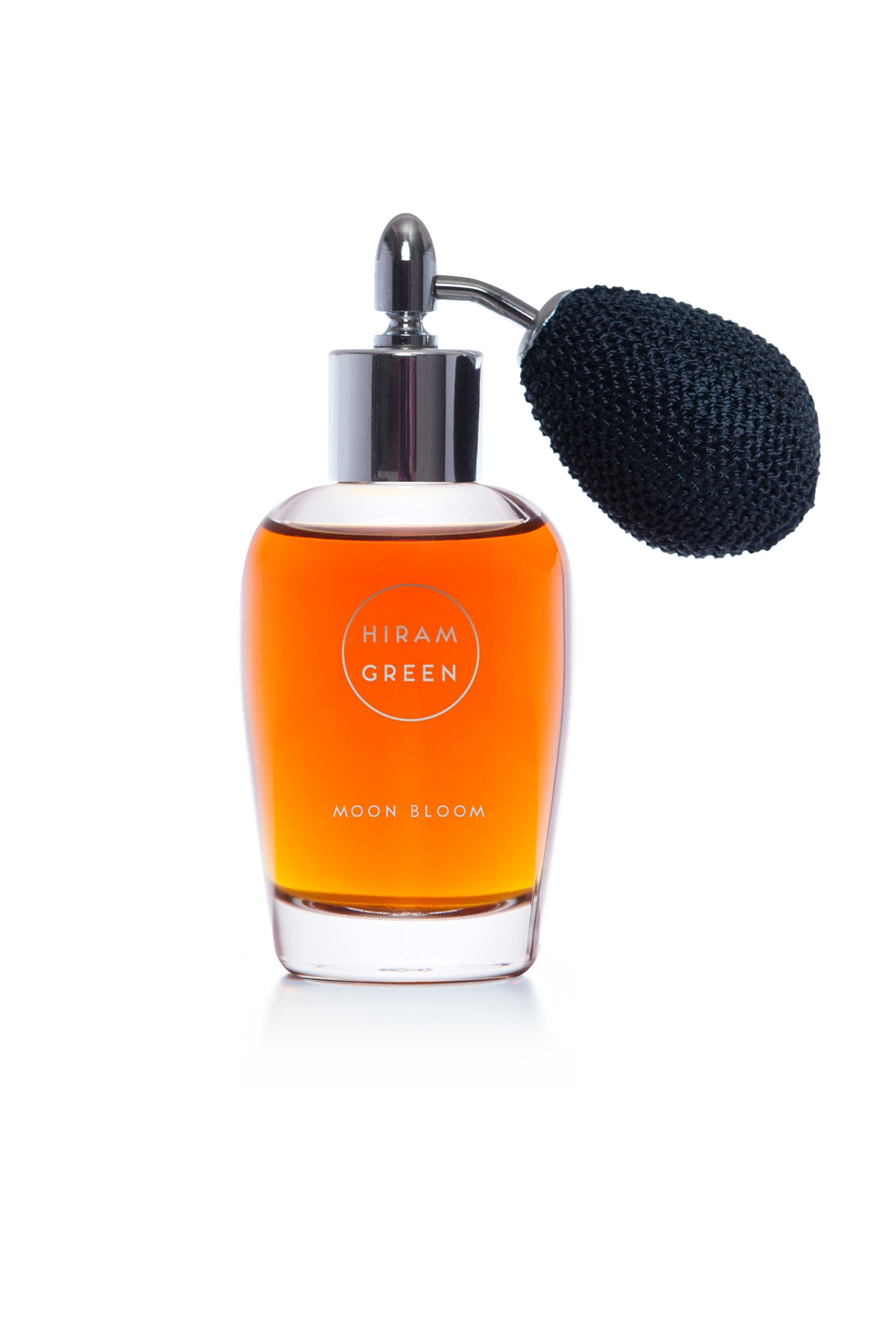
    Moon Bloom (transparent background)

    I’m in heaven. Absolute heaven. Because for the first time since 2010, I have found a non-migraine inducing perfume so gorgeous that I can no longer bear to be parted from it. And it’s totally free of nasty ingredients of course. I spent my first night wearing it begging my man and friends to smell me! Such an incredible treat…

    It might seem bizarre to spend time testing perfumes, make up or hair products when we have so much on our plate when dealing with histamine intolerance or mast cell activation. But when you’ve had the kind of life long love affair I’ve enjoyed with cosmetics, it’s hard to shake that monkey off your back.

    Enjoyed: up until the migraines, hives, something I was told was herpes all over my lips (but turned out to be a reaction to MAC lipstick), the really troubling buzzing in my fingers and dreaded brain fog.

    All from my favourite cosmetic products.

    It was pretty traumatic to shed my make up, nail polish, shampoo, perfume and all bath products for almost two years. I cover it all in the Low Histamine Beauty Survival Guide where I share my old coping strategies, safe make up brands, histamine raising toxic ingredients to watch out for and antihistamine and anti-inflammatory beauty products, make up and skin care routine.

    Because really, how many of us don’t feel just that little bit better about things when checking our handiwork in the mirror? I was often on the 5am shift at CNN in London, which basically meant stumbling wildly out of bed at 4:15am, diving into the shower and struggling to affix contact lenses to my painfully parched and traumatised eyes. At some point, around 9am, as folks on normal shifts would arrive, I would suddenly balk at my naked face and abscond to the loo, make up treasure trove in hand. 10 minutes later I would emerge, a newly minted superwoman ready to tackle the next 11 hours of my work day. (I loved my job so much I would go work in another department for free to get more assignments!).

    Hiram Green logo large

    Having sampled pretty much every natural perfume on the market – some of which didn’t give me a bad headache, I still couldn’t bring myself to buy any. Yes, I’m fussy. I want my “perfume” to last longer than the one hour it takes for jasmine absolute essential oil to disappear without a trace and as a former avid collector of vintage perfume and bottles, I do not want to smell like a Glade plug in.

    To be fair though I think most people are with me on that one.

    I was so excited with the jasmine notes, lack of migraine, staying power and natural ingredients in my bottle of Hiram Green Moon Bloom, that I had to interview him for this blog. Please remember, just because it works for me doesn’t mean it will for everyone. But it’s a darned good place to start.

    Hiram Green (4)

                  The lovely Hiram Green, healing my soul one spritz at a time

    You’ll find recipes full of foods with antihistamine and anti-inflammatory properties my books Anti-Recipes and The Anti-Cookbook

    CLICK HERE TO CREATE YOUR OWN PERSONALISED HEALING HISTAMINE PLAN. 

    Yasmina: What inspired you to create your own perfume?

    Hiram: I have been involved in the world of perfume for some time now. Many years ago I owned and operated a tiny perfume store in London, England called Scent Systems. Although very interested in perfume, I often develop headaches from many of the perfumes I wear, including many of the perfumes I sold at Scent Systems.  I noticed that I did not develop headaches when wearing entirely natural perfumes. I then searched for entirely natural perfumes to fill my tiny store with and was hard pressed at the time to find anything suitable. I felt there was a gap in the market for sophisticated entirely natural perfumes and became inspired create my own natural perfumes. Ten years passed, a lot of experimenting, I closed Scent Systems and moved to The Netherlands where I eventually launched Hiram Green perfumes.

    Yasmina: Part of my mast cell symptoms was an incredibly awful reaction to scents, especially perfume. And that’s not uncommon. Are there any ingredients in commercially available perfume that we might not want absorbing into our bodies? I suppose I’m asking you to share which ingredients you choose not to use, and why you don’t.

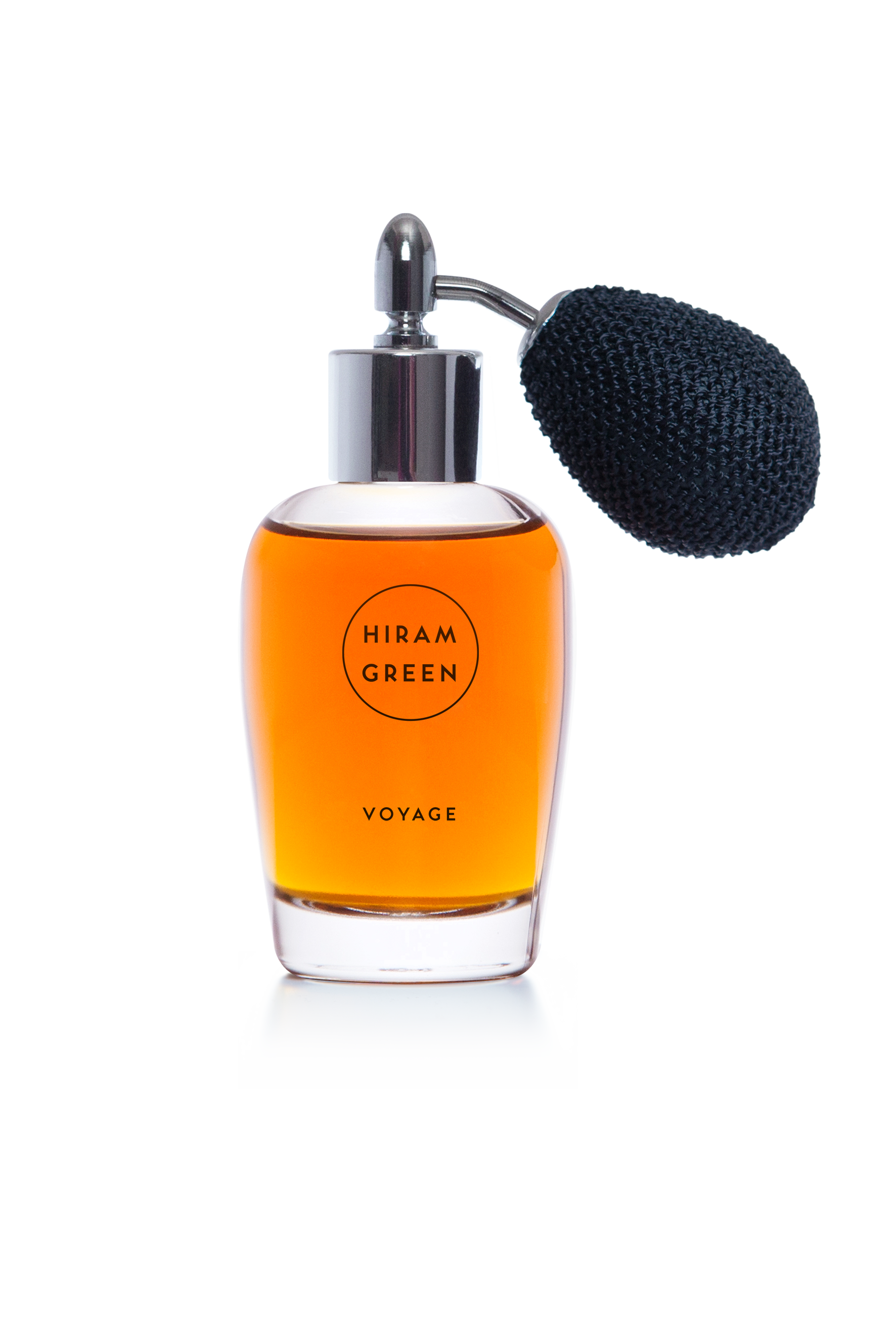
    Voyage (transparent background)

    Hiram: Not many people realise that most commercially available perfumes are made primarily using synthetic ingredients. This does not necessarily mean that all synthetics ingredients are bad for you. Likewise, not all natural ingredients are good for you.

    When I say synthetic ingredients, this usually means that the base of the ingredient is a by-product of the petroleum industry. It is then chemically altered to create the smell of flowers and other ingredients that we associate with perfumes.  All ingredients I use are distilled from actual plants, flowers, trees, resins and so forth. It may not yet have crossed your mind, but it may be worth pointing out that although natural, I do not use any ingredients form animal origin.

    To get slightly more technical, I can also say that I only use European certified natural ingredients and that the alcohol I use is certified natural and organic. I also follow the IFRA standards. This is a globally accepted risk management system for the safe use of fragrance ingredients.

    To this day I am still unclear which fragrant ingredients give me headaches. Maybe it is the percentage of a certain ingredient or its combination with other ingredients that causes my headaches. Nevertheless, with whatever combination of natural fragrant ingredients, I do not develop headaches.

    I am not a doctor or a scientist and therefore cannot professionally advice what ingredients to stay away from. However, since I have launched Hiram Green Perfumes I have been contacted by many people with various health issues, who previously have not been able to wear perfume, that do not have problems wearing my entirely natural perfumes. There must be sometime to be said about a natural alternative…

    Yasmina: If feasible, please pair your perfumes to personality types and share a little about the scent components.

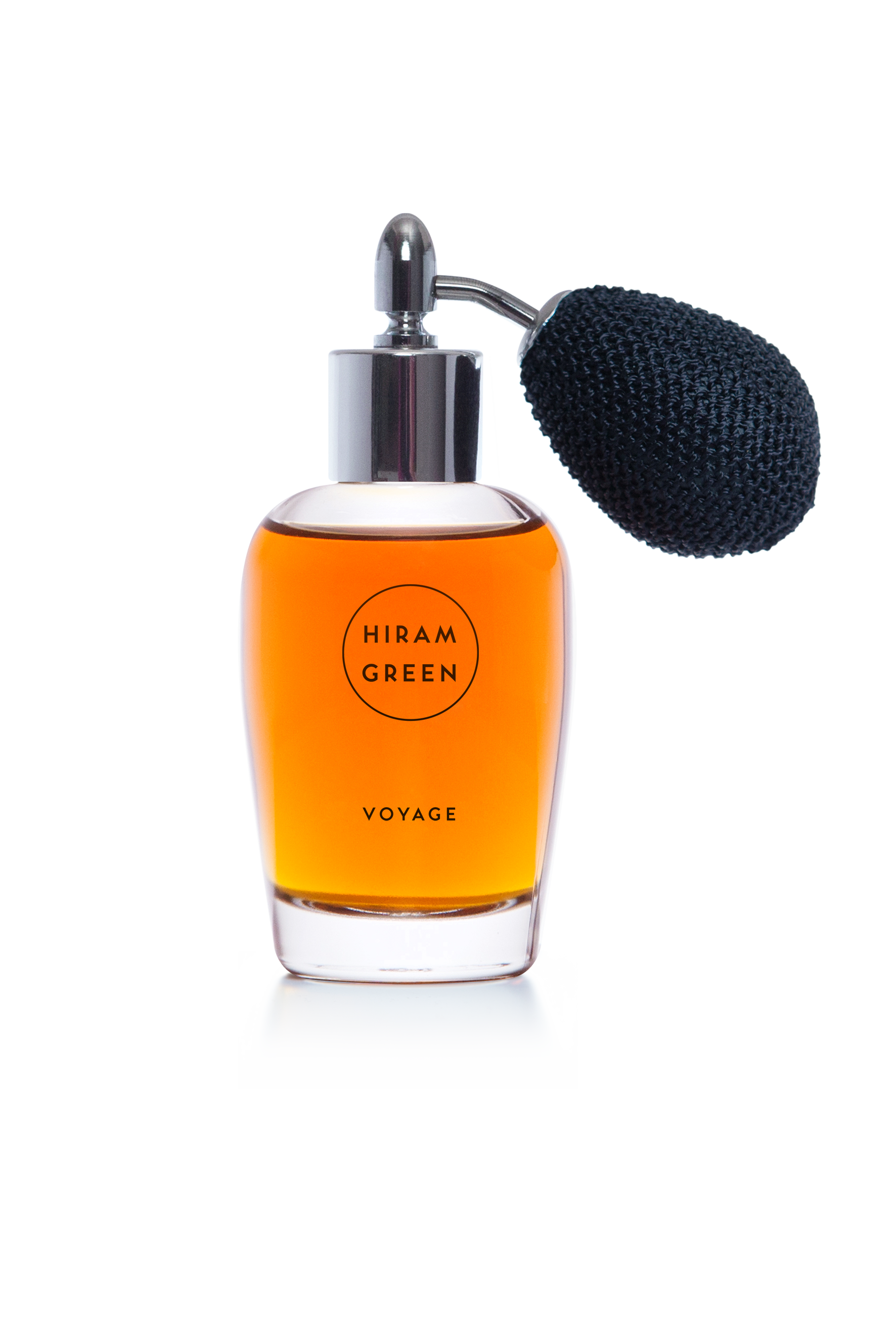
    Hiram: I am not too keen on this idea, but I understand that sometimes it helps people identify with what fragrance they are most likely to enjoy. As a very simple guide, I would say that Voyage (my new limited edition fragrance) is for the soft and romantic type and is calming and warming with notes of citrus, suede, amber and vanilla. Shangri La is for the classic, outdoorsy type and is fresh and mossy with notes of citrus, flowers, vetiver and oak moss. Moon Bloom (my best seller) is a full floral fragrance that is very sensual and exotic with notes of ylang ylang, jasmine and tuberose.

    Yasmina: Well…I’d like to think of myself as sensual and exotic and Moon Beam is my favourite. I’d insert an emoticon winking here but I was once a serious journalist. Lolz.

    But seriously – Hiram, thanks so much for creating the first perfume to cross my path in almost six years that doesn’t make me dizzy, migrainey, make me feel like I’m about to pass out. But mostly for reminding me that self confidence and an otherworldly scent are all that’s needed to float through an evening feeling like a princess.

    You can buy Hiram’s perfumes online at his store (tax-free if shipped to the United States).

    Or you can go try them out in person:

    USA: Los Angeles, Brooklyn and Ohio

    Europe: Austria, Netherlands, Spain, Sweden, Germany and the UK

    You’ll find recipes full of foods with antihistamine and anti-inflammatory properties my books Anti-Recipes and The Anti-Cookbook

    CLICK HERE TO CREATE YOUR OWN PERSONALISED HEALING HISTAMINE PLAN. 

  • Soap the Earth: unscented bath & beauty

    IMG_5709

    There was a time in the not so distant past that I was unable to wash my body with anything other than a loofah and some sea salt. Washing my hair involved a pair of kitchen gloves, my head over the tub, a bottle of four ingredient shampoo clutched in my mitts, living in terror of an errant splash giving me a migraine or hives.

    This finally passed and I’m now able to use pretty much anything, with one caveat (see below) but I’m so concerned with what I put on my body that I wrote a book detailing my (mis)adventures in cleaning up my bath and beauty routine and sharing my favourite products. Having done so, I’m always on the lookout for new additions to add to it.

    Although there’s so many more “clean” brands for sale online than there used to be, I’m often dismayed to find that they’re hiding being an organic label but still using really crappy stuff. It blows my mind that something can be extracted from a natural source using a solvent like hexane (jury apparently still out on whether it’s carcinogenic) and then still be called “natural” which many people take to mean organic. I mean technically no trace of the solvent supposedly remains, but yuk, really?

    You can read more about this in the fabulous book No More Dirty Looks and check how your beauty products rate on the clean scale by checking out the EWG website. You can read more about hexane and “natural” vs organic here. 

    It’s one of the reasons I use RMS Beauty products. They’re not organic, but creator Rose-Marie Swift points out that natural products cease to be natural when they go through so many adulterating processes, and her products are raw and very carefully sourced to be clean and of the highest quality [1].

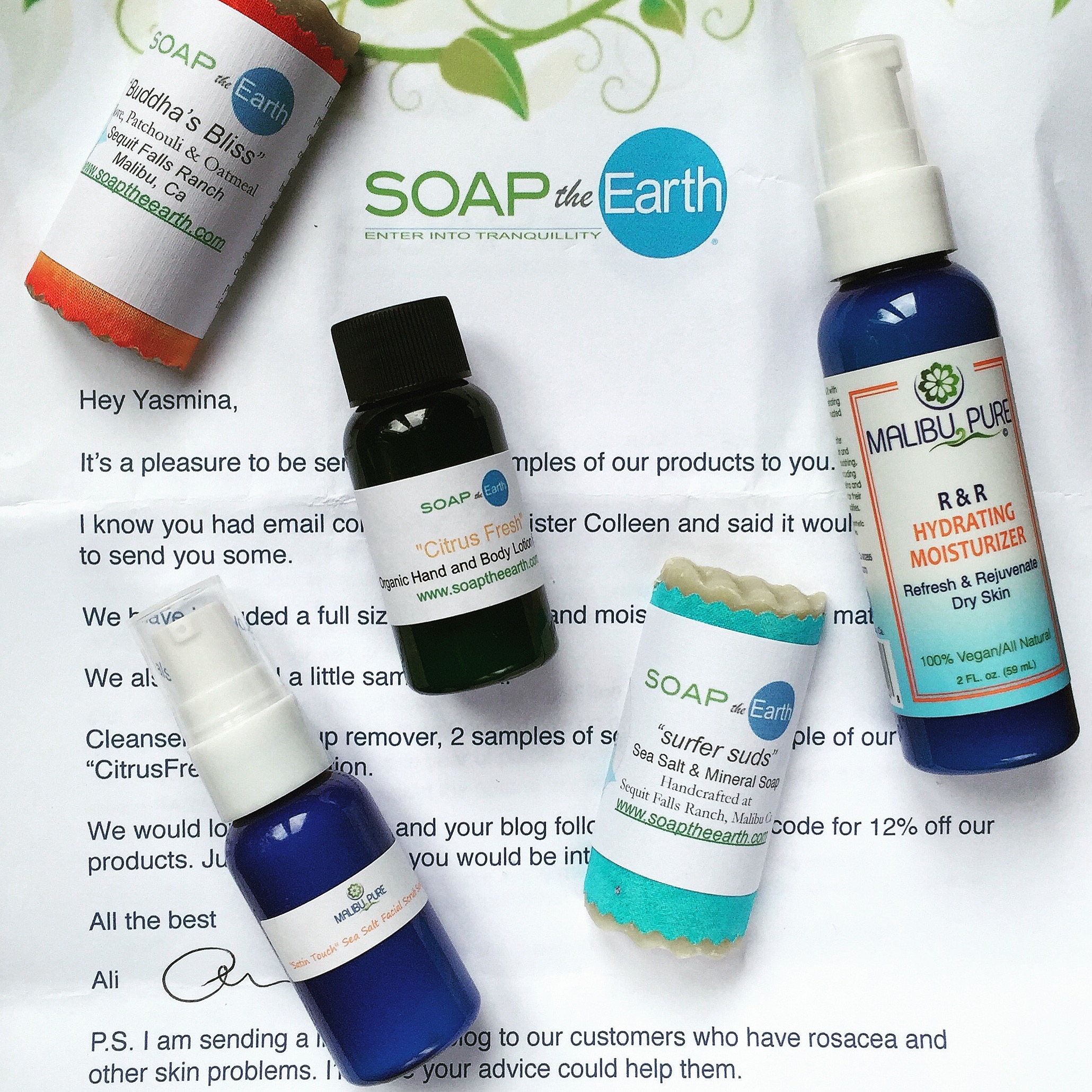
    One of the perks of having this blog is that people send you free stuff. Not scads of it, but some, and so I was delighted to receive a package of goodies from Alison over at Soap the Earth following my post on the link between rosacea and mast cells/histamine. With short ingredient lists of pretty much as non-toxic as it gets bath products, I was really looking forward to slathering my body with them, when the scent hit me. Not overly scented mind you, but they’re still something my brain and body are getting used to. I regretfully emailed Alison to tell her that many of us with histamine issues and mast cell disorders don’t do well with scents and to my utter surprise, she offered to make versions of her products unscented just for us!

    Not only that, but she’s giving us all a 12% discount. Just use the code: histamine

    You’ll find a list of products here that she has specially made for people dealing with histamine intolerance here. I would think the ingredients would also work for mast cell activation folks like me, but please use your best judgement or seek the advice of your doctor/medical practitioner/nutritionist/witch doctor first.

    Need more bath and beauty ideas? Check out the Low Histamine Beauty Survival Guide, written back when I was still unable to let shampoo or any kind of cleanser touch my skin. Interesting times…I can now use pretty much anything I like, as long as it’s unscented, but I choose to still use the purest I can find.

    Right now I’m using 100% pure cucumber face wash and it’s rocking my world, at least till my soap the earth order arrives!

    I have to say I’m pretty excited to have a dedicated low histamine bath range available! Hope it works for you guys xo

    It’s finally here! Man Food – a high nutrient antihistamine and anti-inflammatory ingredient filled book geared towards guys, women who love to work out, yoga like they mean it, or just load up on healing nutrients. Features my personal shopping list of antihistamine and anti-inflammatory foods. 

    The Anti-cookbook and all liquid Anti-Detox Book, don’t treat any conditions, but feature a plethora of the high nutrient antihistamine and anti-inflammatory ingredients that have been instrumental in helping me feed myself on a limited diet. The Anti-cookbook features a six page list of antihistamine and anti-inflammatory foods and comes in regular and Paleo. 

    The Low Oxalate Cookbook features antihistamine and anti-inflammatory rich recipes. 

    Don’t miss the Low Histamine Beauty Survival Guide for non-toxic beauty tips, the skinny on histamine releasing (mast cell degranulating) beauty ingredients, antihistamine and anti-inflammatory beauty alternatives and the top brands natural brands I’ve found.

    Take a peek at my other low histamine and antihistamine cookbooks for more high nutrient recipes and sign up to my mailing list for freebies. 

    Please remember, even antihistamine and anti-inflammatory foods can hurt us, please always exercise caution and consult a medical practitioner before adding new foods. 

  • The rosacea-histamine-mast cell connection

    The rosacea-histamine-mast cell connection

    女性 にきび

    It wasn’t so long ago that a post I wrote on eczema being a mast cell/histamine intolerance related issue went pretty viral. A recent re-post on my Facebook page generated an impressive number of requests for me to look into whether rosacea is also one.

    Well, guess what folks – it sure is!

    Sadly it seems that word isn’t spreading as fast as we might like, at least not fast enough to the doctors who might help us. So here’s all the research you’ll need to take to your dermatologist in order to make him aware of the link, or get your family doctor to write you that mast cell specialist/immunologist referral you may have already suspected you need.

    WHAT IS ROSACEA?

    Wikipedia calls rosacea a chronic inflammatory “skin disease” characterised by facial redness, small and superficial dilated blood vessels, papules, pustules and swelling. Celebrities dealing with it include former US president Bill Clinton, Mariah Carey, burlesque star Dita Von Teese, actress Diane Kruger [1] and according to some online sources/websites, Cameron Diaz and Prince William [2], something I haven’t independently verified.

    A study in the Journal of Investigative Dermatology, funded by a research grant from the National Rosacea Society, revealed that mast cell numbers are increased in the skin of rosacea patients [3]. The study found that the mast cell proteases recruit other immune cells, thereby amplifying the inflammatory response.

    Demodex skin mites have also been shown to play a role in rosacea [4], by triggering the inflammatory response or blocking hair follicles.

    And that’s a great point I should elaborate on. The presence of these mites could be the actual mast cell trigger. Having rosacea therefore doesn’t necessarily mean that you have an actual mast cell disorder.

    Come again?

    This is something I had to wrap my head around just last year. That some of us with histamine/mast cell symptoms, are experiencing them as a result of a primary issue, like mites on our skin, a bacterial or viral infection, rather than us having an actual mast cell disorder that is causing the rosacea symptoms.

    How to tell the difference? Dr. Diana Driscoll has spoken about this quite a bit [5]. Seems many of us are still pretty much in the dark as to which came first – the mast cell disorder or mast cell disorder symptoms caused by a virus or something. In my case, I believe that my mast cell activation, the symptoms of which have disappeared of late, was secondary to a stress disorder. As Joseph Cohen over at Self Hacked told me during a genetic consultation I did with him: “You’re wired for stress!”. I’ll go into more detail about this in an upcoming post. I have to, because I continue to be shocked by how my symptoms evaporated as I dealt with my lifelong, debilitating stress.

    Back to the matter at hand.

    The list of common rosacea triggers featured on the National Rosacea Society’s website looks suspiciously familiar, with patients self reporting spinach, avocado, yeast, vinegar, alcohol, eggplant, tomatoes, citrus fruits, spicy foods and “foods high in histamine” as problematic [6]. As well as beauty products and stress/anxiety.

    Given that this all does look and sound very familiar…here are some possible tips on dealing with rosacea, from a histamine intolerance/mast cell perspective, and that of someone who struggled with decades of the most hideous skin “acne” that didn’t respond to any antibiotics prescribed, retin A or accutane, or topical creams that thinned out and almost killed my skin, but cleared up 100% after six months on a low histamine diet. I wonder now if it was mild rosacea?

    You’ll find recipes full of foods with antihistamine and anti-inflammatory properties my books Anti-Recipes and The Anti-Cookbook

    Tips for dealing with rosacea

    Given the incredible similarity between histamine intolerance/mast cell activation and rosacea triggers, and the fact that we are now told there’s definitely a rosacea/mast cell link, what I have been doing to heal my own mast cell disorder/histamine intolerance could apply.

    As always though, please check with your healthcare provider before making any changes as I am neither a doctor nor a nutritionist. All I am doing is sharing research and what has worked for me. Please remember, what works for me might not for you. 

    1. Meditation and yoga

    Several rosacea societies share that patients self-report stress as being a mega-trigger. This makes sense given the acknowledged role of stress as a mast cell trigger [7]. Meditation and yoga have both been shown to switch off/dampen genes related to mast cell/histamine disorders, as well as inflammation generally [8]. I gave up kickboxing a few weeks ago to focus on yoga. I now practice between five and nine hours weekly, in addition to walking. One of the greatest moments of recent years has been finally achieving a headstand, on my own, without needing a wall to lean my feet onto. I know, it’s the small things sometimes!!

    2. Medication

    There are numerous rosacea treatments that your dermatologist will be aware of, but I found an online patent application from a team at the University of California that really piqued my interest. Their proposed treatment patent outlines a role for mast cell stabilisers and vitamin D [9]. Many people begin conversations with me thus: “I know you’re totally anti-medication” or “I know you don’t believe in taking medication.” Neither of these statements is correct. I do not advise people to come off meds and I do not believe that taking meds is a bad thing. I choose not to take them myself any longer, mostly because I have been overmedicated since birth. I have been on some kind of medication, or many types, every month of my life, till just a few years ago. It’s a personal choice, but you better believe me, if I needed meds, I would take them. Never feel guilty for doing so, never allow anyone to make you feel bad for being so “weak” as to need them. There’s no weakness in accepting help, be it from a doctor or a medicine. Get well, be strong, then you’re in a position to decide if you want to continue taking them. I often ask people why they would stop something that’s making them feel better? In my case, the point is, I was on the wrong meds and wasn’t getting better.

    3. Supplements

    Bioflavonoids

    Given that mast cell stabilisers may be of use for rosacea, bioflavonoids like quercetin and luteolin, shown to be as effective as the commonly prescribed mast cell stabiliser sodium cromolyn [10], could be useful. I take Dr. Theoharides’ Neuroprotek (I do not benefit financially in any from mentioning this supplement but he is a friend!). You can of course also find bioflavonoids in most brightly coloured plant foods, the kind that make up the bulk of my diet (check out my Anti-Detox book for some great all liquid recipes).

    Vitamin D

    Usually a good bet for those with immune system conditions, including rosacea it seems. Another study funded by the NRS focused on the role of vitamin D enhancing the production of human antimicrobial peptides cathelicidins (LL-37). These beneficial peptides, which normally help prevent inflammation, are “abnormally processed” in rosacea folks [11].

    4. Diet

    Given that the bioflavonoids quercetin and luteolin are found in plant foods, why not eat the plants, whether or not you’re taking supplements or medication? That’s the question I asked myself just a few years ago. In my case I decided that nothing goes in my mouth unless it treats me. I’m human of course, but when you set yourself a goal like that, even “cheating” by spending 10% of your histamine allowance on still healthy foods (raw cacao, dates, almond flour coconut sugar homemade cookies), you’re still golden!

    5. Examine your beauty routine

    It might surprise you to learn that many common beauty ingredients are mast cell/histamine triggers. They’re too numerous to mention here, but I’ve found that almost all commercially available brands have these ingredients, as well as those that disrupt the endocrine system (more on that on the EWG website). The great news is that newer, truly natural brands like 100% Pure and RMS Beauty offer very stylish alternatives. To sum it up – if you can buy it at a generic store, it’s likely to cause problems. The aforementioned brands contain more natural ingredients, some of which actually possess antihistamine and anti-inflammatory ingredients like (real) moringa and coconut oil. You’ll find a full list of healing cosmetic products in the low histamine beauty book.

    You’ll find recipes full of foods with antihistamine and anti-inflammatory properties my books Anti-Recipes and The Anti-Cookbook

    CLICK HERE FOR A FOUR WEEK HISTAMINE RESET WITH MEAL PLANNERS, STRESS RELIEF STRATEGIES & MORE

    ——REFERENCES—

    [1] http://en.wikipedia.org/wiki/Rosacea#Notable_cases

    [2] http://www.everydayhealth.com/rosacea-pictures/famous-faces-with-rosacea.aspx

    [3] http://www.nature.com/jid/journal/v134/n11/abs/jid2014222a.html

    [4] http://rosacea.org/rr/2014/fall/article_4.php.]

    [5] www.prettyill.com

    [6] http://rosacea.org/patients/materials/triggers.php

    [7] http://www.mastcellmaster.com

    [8] https://dev.healinghistamine.com/how-i-learned-to-stop-worrying-and-love-yoga-again/

    [9] http://www.google.com/patents/WO2014159771A1?cl=en

    [10] http://www.mastcellmaster.com

    [11] http://rosacea-support.org/cathelicidins-regulated-by-vitamin-d3.html

GET STARTED HEALING HISTAMINE

WHAT YOU NEED TO KNOW ABOUT HISTAMINE DELIVERED TO YOUR INBOX